Kenya Moves to Revive Kenya Airways with Strategic Investor
Alexandra
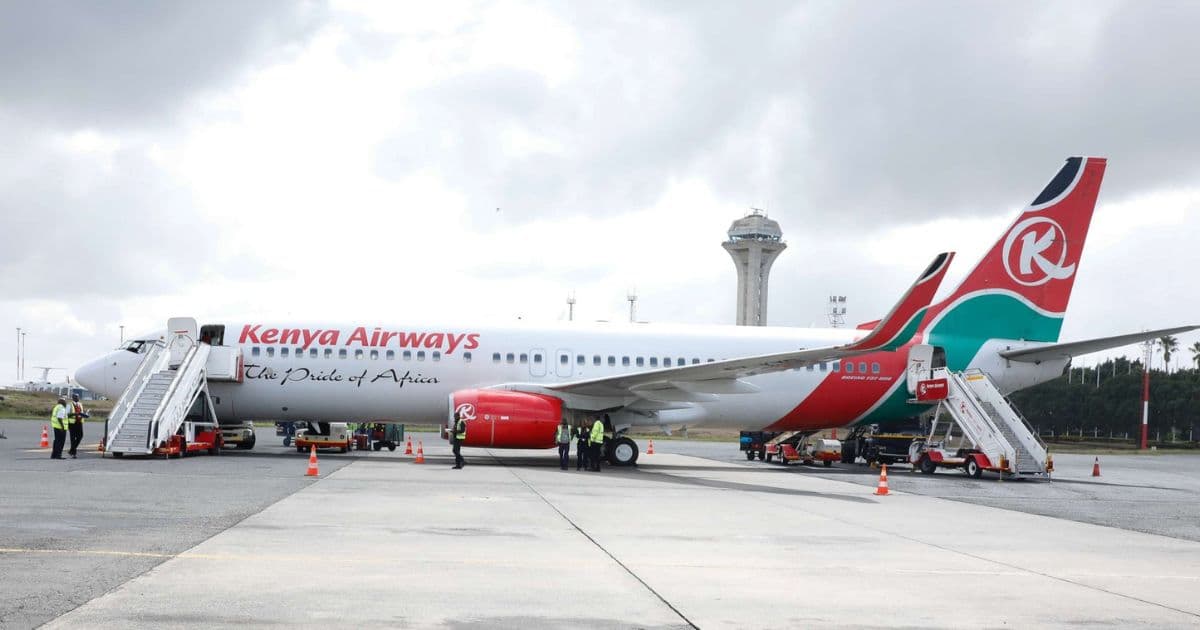
The Kenyan government is preparing an international call for expressions of interest to secure up to $2 billion for Kenya Airways, coupled with a plan to convert a portion of the carrier’s debt into equity to immediately reduce leverage and make the balance sheet investor-friendly.
Restructuring measures and operational moves
Alongside the equity conversion, the program includes targeted operational reforms: fleet modernization planning, enhanced digital processes for ticketing and cargo, and workforce training initiatives. Nairobi’s role as a regional hub increases the stakes — slot management and ground-handling efficiency at Jomo Kenyatta International Airport will be under scrutiny as part of the investor due diligence.
Key components of the proposal
- Equity-debt swap to clean the balance sheet and attract strategic capital.
- International expressions of interest to bring in aviation know-how alongside capital.
- Operational upgrades including digitalization, crew training, and environmental measures.
- Network optimization leveraging existing African and intercontinental routes.
Investor profile and market expectations
Potential partners are expected to combine deep pockets with aviation industry experience. Ideal investors would offer not only capital but also fleet management, maintenance, and route-planning expertise to reduce unit costs and increase on-time performance. Analysts cite the need for improved yield management and cargo revenue growth as immediate priorities.
📚 You may also like
What a strategic investor brings
- Access to capital for fleet renewal and lease adjustments.
- Operational best practices to cut turnaround times and fuel consumption.
- Commercial partnerships to expand codeshares and feeder services across Africa.
- Environmental and safety governance improvements.
Risks and mitigation
High operational costs, fluctuating fuel prices, and competitive route pressure are obvious risks. The proposed equity conversion reduces one key risk — debt overhang — but operational execution remains critical. The government will need clear governance rules for the investor relationship to avoid politicized decision-making that previously undermined performance.
| Measure | Objective | Expected Impact |
|---|---|---|
| Debt-to-equity conversion | Balance sheet repair | Lower interest burden; improved creditworthiness |
| International EoI | Attract capital + expertise | Faster modernization; better route management |
| Operational reforms | Efficiency & sustainability | Reduced unit costs; improved customer satisfaction |
Regulatory and regional implications
The move signals a broader shift in how African states may handle national carriers — favoring private-sector involvement over state-only control. For regulators, the process will require transparent tender rules, foreign-ownership clarity, and protections for strategic national interests like connectivity to underserved regions.
Impact on travel, tourism and maritime charters
Reviving Kenya Airways has ripple effects beyond aviation. Improved air connectivity usually boosts coastal tourism and demand for charter boats, yacht charters, and marina services in destinations like Mombasa and the Kenyan coast. Tour operators and marina operators who rent boats or offer superyacht services could see more inbound visitors, translating into higher bookings for fishing trips, day sails, and multi-day charters.
Operational link to boat and yacht rentals
- More flights = increased passenger flow to coastal marinas and beach resorts.
- Better international schedules support superyacht repositioning and sales.
- Growth in tourism stimulates local water activities, fishing charters, and boat rentals.
On a personal note, I remember a week when a delayed regional flight stranded a friend’s group ashore — they missed a sunset charter and learned the hard way that airline schedules ripple straight into marina bookings. When the airline works, the whole travel ecosystem hums; when it doesn’t, captains and charter operators feel it in their logbooks.
Timeline and next steps
The government’s public invitation for expressions of interest is the immediate next step; shortlisted investors would follow with due diligence and term negotiations. If all goes as intended, capital injections and governance changes could start showing effects within 12–24 months, though fleet renewals often take longer due to delivery lead times.
Checklist for stakeholders
- Publish clear EoI criteria and timelines.
- Secure transparent governance and minority protections.
- Coordinate with airport authorities to unlock slot and ground service improvements.
- Align tourism and maritime stakeholders to capture downstream demand.
In summary, the plan to attract up to $2 billion and convert part of Kenya Airways’s debt into equity is a decisive step toward stabilizing the carrier and bolstering Nairobi’s hub status. Success requires the right investor mix of capital and aviation expertise, strong regulatory frameworks, and coordinated actions across tourism and maritime sectors. If executed well, the result could be more reliable air links that feed growth in yacht and boat charter markets, beach and marina activities, and broader travel services — benefiting yachts, charters, boat rentals, captains and crews alike across sea and ocean destinations. The outcome will matter for sale and investment dynamics in marinas and for clearwater leisure spots from the gulf to the lake — in short, better flying can mean busier marinas, more sailing, more fishing trips, and a healthier boating economy.


