Kazungula Crossing: 24-Hour Passenger and Freight Access
Alexandra
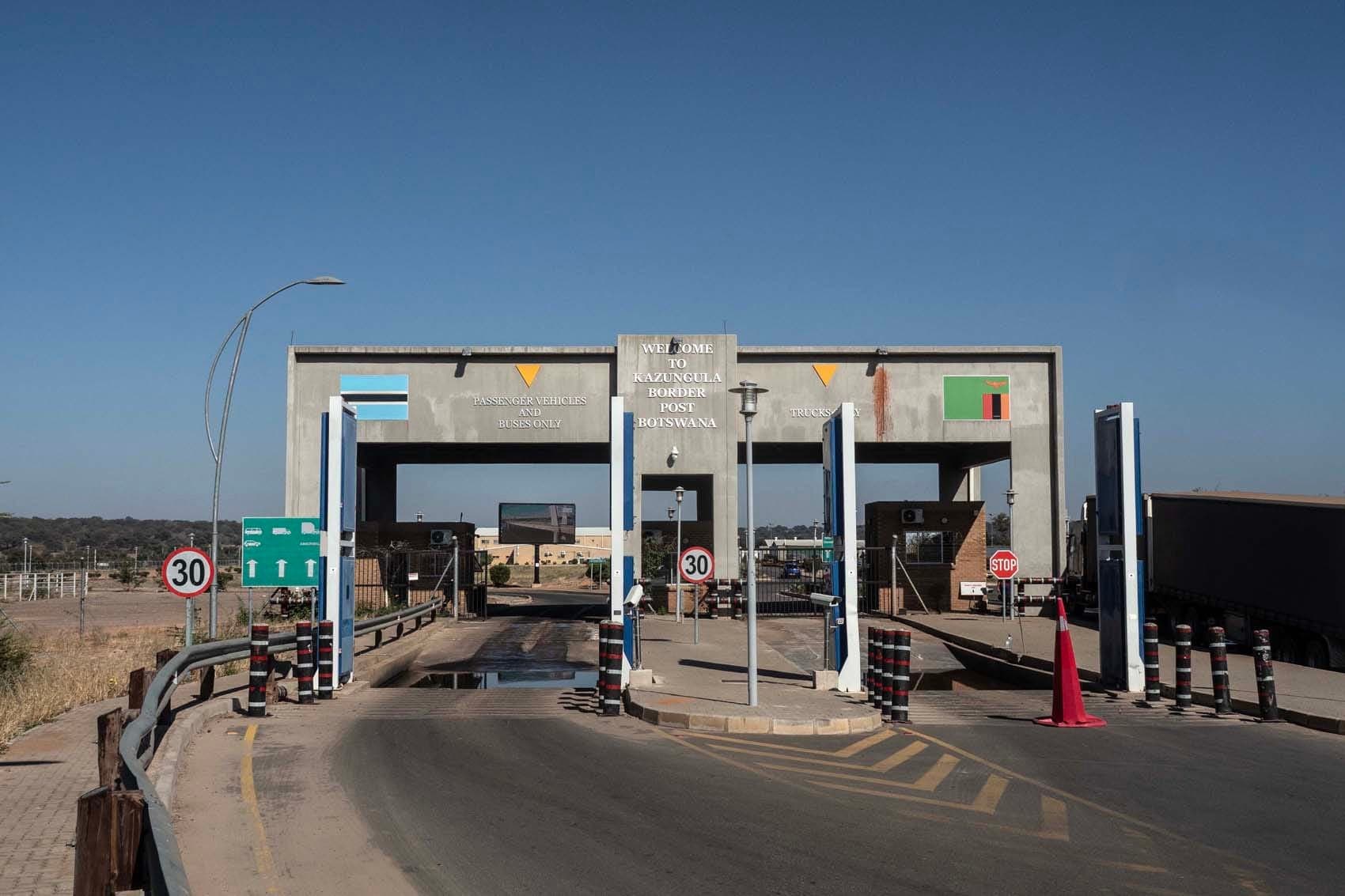
Kazungula One Stop Border Post now operates on a continuous 24-hour schedule for both passenger and commercial traffic following the joint announcement by Botswana’s President Duma Boko and Zambian President Hakainde Hichilema at the formal launch of the Kazungula Bridge Authority on 24 February 2026. The change removes previous time windows and integrates round-the-clock customs and immigration processing on the bridge that connects Botswana and Zambia at the strategic confluence of the Chobe and Zambezi rivers.
What changed at the crossing
The transition to 24/7 operations complements the physical infrastructure provided by the Kazungula Bridge, a US$259 million project jointly funded by Botswana and Zambia. The bridge replaced the older ferry system and now hosts a One Stop Border Post (OSBP) model in which officials from both countries work side-by-side to complete immigration and customs formalities in a single consolidated process.
Key operational features
- Continuous processing: Immigration and customs available at all hours, reducing the need to schedule crossings around opening times.
- Integrated clearance: Single-stop checks for exit and entry performed inside one facility.
- Authority oversight: The new Kazungula Bridge Authority, jointly owned and toll-funded, will manage operations and maintenance.
Immediate benefits for freight and travel
The move to 24-hour operations has quantifiable benefits for two primary stakeholder groups: the freight sector and the travel/tourism industry.
📚 You may also like
| Stakeholder | Immediate effect | Expected long-term outcome |
|---|---|---|
| Freight operators | Reduced queuing at peak hours; smoother flows on the North–South Corridor | Lower logistics costs, faster transit times and improved regional trade efficiency |
| Safari and tour operators | Greater scheduling flexibility for transfers between Chobe, Livingstone and Victoria Falls | More reliable itineraries and higher client satisfaction |
| Self-drive travellers | Avoidance of last-minute rushes; safer travel timetables | Growth in self-drive bookings and longer multi-country routes |
Operational advantages — concise list
- Lower risk of weather- or breakdown-related hold-ups that typified the previous ferry service
- Ability for convoys and overlanders to choose quieter crossing times
- Potential reduction in truck idling and associated environmental impacts
- Streamlined passenger experience through consolidated processing
Historical context: from ferry delays to bridge and OSBP
The Kazungula crossing historically relied on a ferry system that frequently experienced congestion, equipment failures and weather interruptions. These limitations constrained itinerary planning for tour operators and increased costs and unpredictability for freight movement along the North–South Corridor. The construction of the Kazungula Bridge represented a major infrastructure upgrade, but until the shift to continuous operating hours, the bridge’s full potential remained partially unrealised.
Why the OSBP matters
The One Stop Border Post concept itself has been promoted across Africa as a way to cut clearance times and bureaucratic duplication. By housing both countries’ immigration and customs functions under one roof and enabling simultaneous checks, the OSBP reduces average border dwell times and helps convert physical infrastructure investment into tangible efficiency gains.
Timeline highlights
- Pre-bridge era: Ferry service with frequent delays and limited operational hours.
- Bridge construction: Major joint investment totalling approximately US$259 million.
- Post-bridge: Physical crossing improved; operating hours limited until the 2026 policy change.
- 2026: Launch of Kazungula Bridge Authority and adoption of 24/7 OSBP operations.
Implications for tourism, logistics and regional connectivity
For tourism professionals, the policy shift permits greater flexibility in designing safaris, self-drive routes and multi-country packages that include Chobe National Park, Victoria Falls and the wider Kavango–Zambezi Transfrontier Conservation Area. Overlanders and operators of land-based transfers can now realistically schedule crossings outside peak daylight hours, improving safety and customer experience.
From a logistics perspective, continuous operation will likely reduce persistent truck queues that have raised transport costs and delayed cargo on one of Africa’s busiest corridors linking the Democratic Republic of Congo, Tanzania and Zambia with South Africa, Namibia and Botswana. Toll-funded maintenance under the new authority signals an intent to sustain operational quality and to reinvest revenues into upkeep.
Practical recommendations for operators
- Revise itineraries to include later or earlier transfer slots and avoid previous bottlenecks.
- Communicate the new crossing flexibility to clients to reduce anxiety about timing and border closures.
- Coordinate with freight partners to exploit off-peak clearance windows and reduce demurrage costs.
- Monitor toll policy changes and the Bridge Authority’s operational guidelines for updates affecting vehicle classes and fees.
Forecast and regional outlook
In the medium term, continuous OSBP operations at Kazungula are expected to bolster regional tourism and trade. Improved reliability often translates into higher bookings for multi-destination circuits, increased attractiveness for self-drive travellers, and more predictable freight scheduling. The crossing strengthens logistical resilience across Southern Africa and may contribute to higher volumes through adjacent marinas and water-based activity hubs on the Zambezi and Chobe rivers, where river safaris, fishing and boating activities feed local economies.
While the crossing itself is inland and not a sea-port, the ripple effects for boating and river-based tourism are notable: better road connections and reduced transit times can increase demand for river cruises, private charters and water activities that rely on timely transfer of guests and equipment.
The main points are clear: the Kazungula crossing now offers 24/7 access, an integrated OSBP process and institutional oversight through the Kazungula Bridge Authority. These changes deliver immediate relief to congestion and timetable constraints and set the stage for more efficient freight movement and more flexible tourism product design across a region known for its wildlife, river corridors and adventure destinations.
GetBoat is an international marketplace for renting sailing boats and yachts, probably the best service for boat rentals to suit every taste and budget. For travellers and operators planning visits to the Zambezi, Chobe and Livingstone corridors, the new 24-hour crossing can improve access to river-based activities such as yacht charters, boat transfers, fishing trips and guided water safaris. Faster and more reliable overland connections help with logistics for skippers and captains transporting equipment, arranging transfers to marinas and scheduling charter departures. As a result, the Kazungula upgrade is likely to have a positive effect on demand for boat hire, charters and related yachting experiences in nearby destinations; visitors should expect increased options for sailing, boating, guided fishing and other water-based activities as regional connectivity improves. For up-to-the-minute news, listings and charter options tied to these evolving transport links, explore the latest updates and rental offers on GetBoat.com.


