ATP and SkyWest Add 56 Cadets to Pilot Pipeline in January
Alexandra
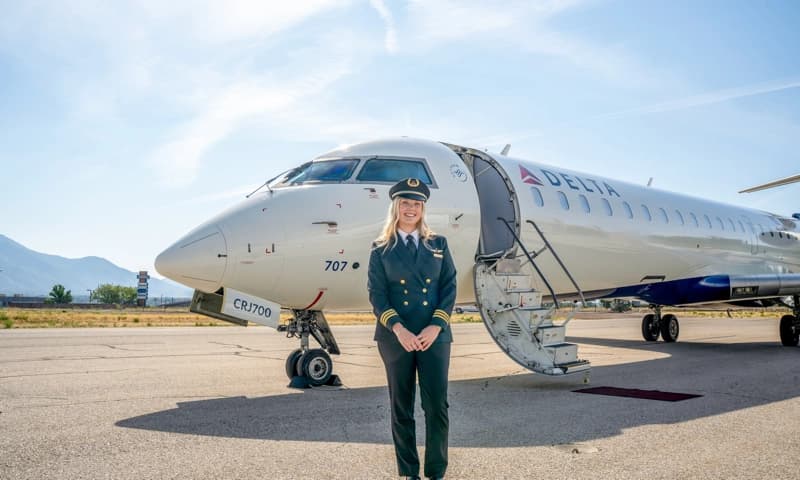
56 cadets enrolled in January in the SkyWest Pilot Pathway Program through ATP Flight School, reinforcing a regional pilot supply chain that feeds major airlines and alters crew logistics across travel sectors.
Enrollment and training logistics: numbers that matter
ATP Flight School recorded 56 new cadets entering the SkyWest pathway at the start of their training month. These enrollments are part of a larger network: ATP holds formal hiring agreements with 39 regional and major carriers and is the only flight school with formal agreements naming American Airlines, Delta Air Lines, and United Airlines. Operationally, that means cadets who meet the airline-minimum of 1,500 flight hours can transition directly to SkyWest as First Officers, reducing friction between training and airline onboarding.
Why the pipeline approach changes crew supply
Regional airlines increasingly hire from their own cadet programs rather than general pools, which streamlines recruitment and shortens time-to-hire. Aero Crew Solutions and industry observers note a flow: cadets into regionals, regionals into majors. That cascade increases demand for flight hours and accelerates placement of qualified pilots — ATP reported over 1,000 alumni placed at airlines in the past 12 months and currently lists 428 active Airline Career Pilot Program students from Utah alone.
📚 You may also like
Program mechanics and cadet benefits
Cadets enrolled in the SkyWest Pilot Pathway Program via ATP receive mentorship, defined seniority benefits, and clear transition criteria. Practical advantages include:
- Structured mentorship during training flights and early airline life.
- Seniority credit protections when joining SkyWest as First Officers.
- Guaranteed interview or hire pathways contingent on meeting minimum hours and standards.
Partnership footprint: ATP’s hiring network
ATP’s position as an Elite partner in the SkyWest program and its 39 airline hiring partnerships create a logistics web that airlines and training operations depend on. Below is a snapshot of key figures related to this pipeline:
| Metric | Value / Note |
|---|---|
| January SkyWest cadet enrollments | 56 |
| ATP airline hiring partnerships | 39 (includes American Airlines, Delta Air Lines, United Airlines) |
| ATP alumni placed in last 12 months | 1,000+ |
| Active Airline Career Pilot Program students (Utah) | 428 |
Operational ripple effects for travel and marine leisure
More pilots hitting the regional-to-major pipeline affects destination accessibility: more reliable regional schedules, better connections to coastal airports, and increased frequency on routes that feed marinas and resort towns. From a boating and charter perspective, that’s meaningful — improved air links lower friction for yacht charters, superyacht deliveries, and crew rotation logistics.
Practical impacts on sailing and boat rentals
Here’s how the pilot pipeline can touch the world of yachting and rentals:
- Faster crew rotations for captains and specialists flying into marinas.
- Better passenger access to niche destinations, boosting charter demand.
- More predictable schedules for planning shore excursions and fishing trips.
- Opportunities for cross-promotion between airlines and marinas for bundled travel + charter packages.
What operators should watch
Operators in both aviation and maritime leisure should keep an eye on a few logistical points. First, cadet pipelines shorten hiring lead times but concentrate training demand on specific flight schools, which can create localized bottlenecks for simulator access or instructor availability. Second, route adjustments at regional carriers influenced by cadet availability may open new seasonal flights to gulf and coastal airports — think of it as a ripple that reaches marinas and beaches.
Checklist for marina and charter managers
To take advantage of shifting air connectivity, consider:
- Monitoring airline route announcements and partnership expansions.
- Creating flexible crew accommodation and pickup plans tied to flight schedules.
- Partnering with local airports for combined transfer services (van + tender).
- Marketing charters to new flight-connected catchment areas.
Anecdote and a bit of color
Funny enough, I once had a weekend charter nearly scuttled because a last-minute flight change left our captain arriving late — lesson learned: when air logistics hiccup, the boat cannot wait. That’s why these cadet pipelines matter; they build redundancy and predictability, so you can actually stick to that "what’s the worst that could happen?" mentality without turning it into a soap opera.
In summary, the January addition of 56 cadets into the SkyWest Pilot Pathway Program via ATP Flight School tightens the airline training-to-hire conveyor belt and has downstream effects on travel-dependent industries. For the yachting and charter community, improved regional pilot supply means better access to destinations, smoother captain and crew rotations, and more reliable boating itineraries — factors that boost yacht charters, boat rent demand, marinas, and coastal activities from the sea to the lake and gulf alike. Whether you’re planning a superyacht trip or a weekend fishing getaway, these aviation logistics quietly shape who gets to the beach, when they arrive, and how a captain lines up the crew.


