January 2026 Air Cargo Growth: Figures and Impacts
Alexandra
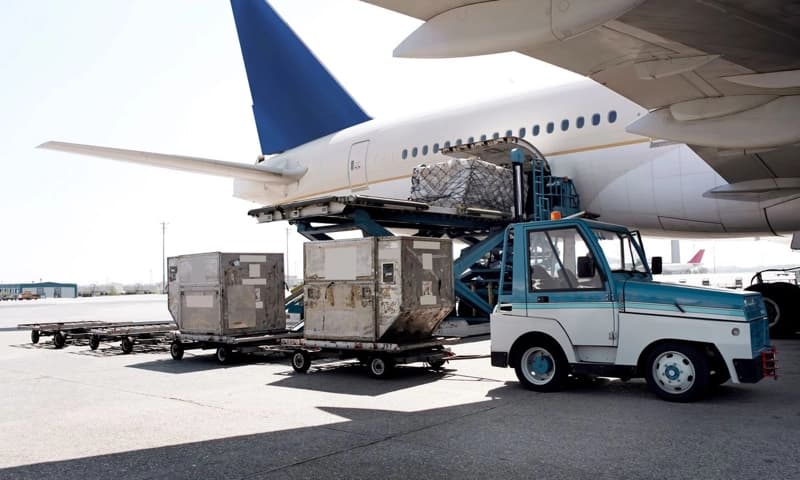
January 2026 performance: concrete metrics from IATA
IATA reported a 5.6% year‑on‑year increase in global air cargo demand for January 2026, measured in cargo tonne‑kilometres (CTKs). Passenger demand also showed momentum, with a reported 3.8% growth in global air passenger traffic for the month, underlining the gradual recovery in scheduled capacity that supports belly cargo volumes. These headline figures reflect a combination of higher express shipments, stronger demand for time‑sensitive goods, and regional variances in manufacturing and inventory restocking.
Key indicators at a glance
| Indicator | January 2026 | Comment |
|---|---|---|
| Global air cargo (CTKs) | +5.6% YoY | Measured by IATA; driven by express and manufactured goods |
| Global air passengers | +3.8% YoY | Increasing scheduled capacity supports belly cargo |
| Freighter availability | Stable to slightly higher | More freighter rotations servicing e‑commerce lanes |
Drivers behind the January uptick
Several operational and market factors contributed to the January increase:
- Higher express and e‑commerce shipments following holiday peak replenishments and ongoing cross‑border online retail activity.
- Improved industrial output in key manufacturing hubs, leading to increased outbound airfreight for components and finished goods.
- Normalization of passenger services, which restored belly capacity on many long‑haul routes and reduced reliance on dedicated freighters for certain lanes.
- Seasonal restocking and inventory management cycles among retailers and distributors.
Regional differentials and operational notes
While the global headline rose by 5.6%, performance varied by region. Historically, Asia‑Pacific lanes drive a large share of global CTKs due to manufacturing exports, while the Middle East and Europe often serve as major transshipment hubs. Airlines adjusted schedules and freighter rotations to match demand shifts, and airports with strong cargo infrastructure benefited from faster processing and lower turnaround times. Fuel price stability and labor availability at key hubs also influenced carrier capacity decisions and schedule reliability.
📚 You may also like
Implications for supply chains and travel operators
Stronger air cargo volumes have immediate effects across logistics and connected industries. For shippers, the January increase can mean improved lead times for high‑value and time‑sensitive goods. For airlines and freight forwarders, it supports revenue diversification as passenger yields recover.
- Logistics providers may reallocate capacity in response to lane profitability; this affects contract rates, spot pricing, and capacity guarantees.
- Ports and intermodal operators need to coordinate to avoid bottlenecks where air and sea trade lanes intersect.
- Tourism and travel operators could see secondary impacts: reliable cargo services influence the timely delivery of perishables, retail stock for resorts, and parts for maintenance of high‑end equipment.
Practical impacts on marine and coastal supply chains
Although this is an air cargo report, its logistics ripple effects touch marine‑oriented sectors. Marinas, charter operators, and yacht maintenance suppliers often depend on punctual air shipments for specialized parts and electronics. Improvements in air cargo reliability shorten lead times for critical components, which in turn helps maintain schedules for vessel refits and seasonal openings of coastal destinations.
Historical context and recent trajectory
Air cargo experienced significant volatility in the prior years, with peaks linked to pandemic‑era disruptions, shifts to freighter operations, and surges in e‑commerce. In 2025, global air cargo achieved record volume levels in several months as markets adjusted to new demand patterns. The January 2026 increase builds on that momentum but must be read alongside capacity trends: as passenger traffic returns, belly capacity grows and may temper spot‑rate inflation observed during freighter‑constrained periods.
Decade trends affecting air cargo
- Growing e‑commerce permanently increased demand for fast, small‑parcel air movements.
- Fleet modernization — newer freighters and more fuel‑efficient passenger aircraft — influences cost structures and lane economics.
- Supply chain diversification has led to more distributed inventory strategies, altering seasonal peaks.
Short‑term forecast and tourism linkages
Near‑term, expect continued moderate growth in air cargo if industrial activity and consumer demand remain stable. Risks include geopolitical tensions, sudden fuel price shocks, or disruptive weather events that affect airport operations. For tourism and coastal economies, reliable air cargo supports retail and hospitality supply chains through faster delivery of perishables, amenities, and replacement parts — factors that can influence destination readiness ahead of peak seasons.
What logistics managers and travel planners should watch
- Capacity announcements from major carriers and freighter operators for Q2 and Q3.
- Spot and contract rate trends on major lanes connecting manufacturing hubs to consumer markets.
- Customs processing times and airport handling performance at key gateways serving coastal destinations.
Conclusions and takeaways
The January 2026 5.6% rise in global air cargo signals resilience in time‑sensitive freight markets and a continuing interplay between passenger recovery and freighter operations. Logistics stakeholders should prepare for nuanced lane‑by‑lane performance: while headline growth is positive, operational constraints and regional variance will dictate where firms find the best capacity and rates. For travel and destination operators, timely airfreight underpins the seamless delivery of supplies that support guest services and maintenance activities throughout the year.
GetBoat is always keeping an eye on the latest tourism news; this logistics update underscores how air cargo dynamics can influence broader travel ecosystems — from yacht spare parts to marina supplies and coastal retail inventories. The report’s key points — growth in cargo demand, returning passenger capacity, and implications for supply chains — have downstream effects on destinations, activities, and resources tied to water‑based leisure: yacht supply chains, charter provisioning, boat maintenance, beach resort stock, lake and ocean service logistics, captains sourcing parts, sale and transport of superyacht equipment, marinas' inventory needs, and regional boating and fishing support services. For readers tracking how logistics shifts affect destinations, renovation timelines, and on‑the‑ground service delivery, this development is worth monitoring. GetBoat.com is always keeping an eye on such developments in travel and tourism.


