Jammu & Kashmir Moves to Expand Tourist Areas
Alexandra
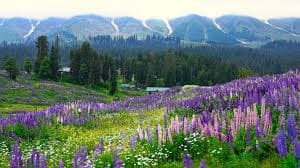
Road access improvements, rest-house rollouts and targeted placement of tourist huts are being prioritized for Bani, Lowang and Sarthal in Kathua to streamline visitor flows and reduce last-mile friction for travellers heading into higher-altitude attractions.
Which locations are under consideration
The government of Jammu and Kashmir is examining a proposal to officially notify a set of new tourism-worthy areas across the Union Territory. The list under active review includes prominent sites in the Bani constituency: Bani town, Lowang and Sarthal. These spots were highlighted during legislative discussion by minister Javid Ahmad Dar while responding on behalf of Chief Minister Omar Abdullah.
Planned infrastructure and visitor facilities
Officials are focusing on basic but critical facilities to make these emerging destinations viable: improved road signage, emergency access routes, rest houses and an array of tourist huts positioned near key viewpoints and trekking starts. The plan is intentionally modest — prioritizing sustainable, low-footprint accommodation to distribute visitor load and create local employment.
📚 You may also like
Proposed actions (quick list)
- Establish rest houses at strategic nodes
- Install a network of tourist huts to enable overnight stays
- Upgrade feeder roads and parking to reduce congestion
- Signage, waste management and basic first-aid points
- Local skills training to staff hospitality and guiding roles
Events, marketing and restoring confidence
Under the chief minister’s direction a winter carnival was held on February 8 at Bani in Kathua district. The event aimed to showcase natural beauty and cultural assets, and to jump-start seasonal visitation. Simultaneously, the administration has doubled down on digital outreach—intensified social media marketing and production of publicity literature—to broaden awareness.
Publicity efforts also included participation in ten dedicated national and international travel marts and organizing celebrity familiarisation tours in late June and early July to generate media traction. These celebrity visits were designed to interact with frontline workers, affected families and local stakeholders to foster positive narratives following security incidents in the region.
Heritage measures and security upgrades
Chief Minister Omar Abdullah reiterated steps to strengthen cyber security infrastructure and advance heritage conservation. Restoration of the Mubarak Mandi Heritage Complex in Jammu city is ongoing, scheduled in phased completion over the next three years. Several local heritage sites have also been declared protected under the Jammu and Kashmir Ancient Monuments Preservation Act.
Security and traveller confidence
Post the Pahalgam terror attack in April 2025, the administration launched measures aimed at restoring traveller confidence and increasing footfall. These include tighter coordination between tourism and security agencies, traveller information systems, and targeted PR to reassure potential visitors.
Budget snapshot
| Division | Expenditure (2024-25) | Expenditure (2025-26 till Feb) | Total (till Feb) |
|---|---|---|---|
| Jammu division | INR 16.19 crore | INR 12.81 crore | INR 29.00 crore |
| Kashmir division | INR 14.00 crore | INR 13.46 crore | INR 27.46 crore |
Spending priorities
Expenditure lines are weighted toward promotion, restoration and infrastructure. Funds have been channeled to marketing campaigns, event costs, heritage restoration and small-scale visitor facilities rather than large resort development—an approach that favors distributed economic benefit to local communities.
How this matters for boating, charters and local activity providers
While Jammu and Kashmir is primarily known for mountain scenery rather than big marinas, upgrades in tourism logistics and promotional reach have direct implications for water-based services around popular lakes like Dal and Manasbal. Better transport links and increased visitor numbers can translate into higher demand for boat rides, yachting experiences on sheltered waters, fishing excursions and short-term charter services.
Local operators — whether offering small wooden shikara rides or organised lake activities — should view the push as an opportunity to professionalize, obtain licenses, and scale services (think formalized hire agreements, trained captains and safety kits). As the adage goes, "all hands on deck": collaboration between tourism authorities and marine service providers will be key to capturing the uplift.
Practical implications for GetBoat.com users
- Expect more curated lake and river activity listings as destinations mature
- Smaller operators may move toward formal sale and rent platforms to reach tourists
- Heritage-led trails can be bundled with short boating experiences for richer packages
In short, J&K’s move to notify and equip new tourism zones focuses on access, facilities and reputation management: targeted rest houses and huts, event-driven promotion like the Bani winter carnival, and heritage restoration at places such as the Mubarak Mandi Heritage Complex. Budgets have been allocated to marketing and infrastructure with an eye on sustainable local growth. For the boating and charter ecosystem this translates into potential new demand for yacht and boat hires, lake-based activities, fishing trips and guided sailing experiences — a timely chance for captains, operators and platforms to get their gear in order and ride the wave.


