XR 41 IRC-Optimized Model Enters Trials
Alexandra
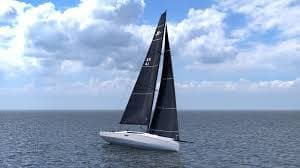
IRC-optimized XR 41 has entered service with an initial measured displacement of 7,337 kg, an observed top downwind speed of 24.2 knots during the ORC World Championship, and an IRC target rating projected near 1.160 once weight reductions approach the design goal of roughly 7,200 kg. The recent tests confirm that the IRC-specific keel and rudder package plus sail-plan refinements materially increase upwind and reaching performance in breeze while maintaining the XR 41’s established downwind characteristics.
Design revisions focused on IRC performance
Naval architecture adjustments center on three primary systems: keel shape and mass distribution, rudder geometry, and an optimized sail plan tuned for IRC rule benefits. Modifications aim to shift the polar and VMG envelopes to favor windward VMG and reaching speeds in medium-to-strong breeze without degrading the XR 41’s proven off-wind capability.
Key specification snapshot
| Item | Measured / Target |
|---|---|
| Current displacement | 7,337 kg |
| Target displacement | ~7,200 kg |
| Projected IRC rating | 1.160 |
| Recorded top speed (downwind) | 24.2 knots |
| Primary optimization areas | Keel, Rudder, Sail Plan |
Keel, rudder and sail-plan changes
The development team refined foil sections and appendage planform to balance lift, drag, and helm feel under IRC rating assumptions. Specific changes include:
📚 You may also like
- Keel: revised bulb mass location and fin profile to increase righting moment and reduce wetted surface at heel angles typical for IRC upwind trim.
- Rudder: modified chord distribution and aspect ratio to sharpen control and reduce drag during tight upwind angles and fast reaching points of sail.
- Sail plan: updated headsail and mast section pairing to improve power in the 12–20 knot window; sheeting angles and reefing strategy adjusted for IRC measurement considerations.
Sea trials and performance data
Initial trials at a high-level regatta environment validated the design intent. Instrumented runs and seasoned crews recorded improved pointing and VMG upwind as well as increased average boat speed on reaches. Downwind performance retained its high-speed signature, with a peak recorded speed of 24.2 knots under conducive conditions.
Measured outcomes
- Upwind acceleration and pointing improved in moderate to strong breeze.
- Reaching performance benefits were most pronounced in puffy and on-off wind conditions.
- Helm balance maintained or slightly improved despite increased lateral resistance from the new appendages.
Operational and logistics implications for owners and charter operators
Changes to keel and rudder geometry affect marina handling, ground-clearance considerations, and transport logistics for owners who trailer or dry-stack. The minor shift in displacement and keel draft may require updates to berth agreements and lifting specifications at marinas and shipyards. For charter operators and yacht managers, the IRC tweaks translate into:
- More competitive club and coastal race performance for owner-driver charters.
- Potentially broader appeal to performance-focused clients seeking faster, more responsive boats on day or week charters.
- Maintenance considerations due to new appendage profiles — anti-fouling and inspection intervals should be reviewed following initial season use.
Implications for Sailing and boat rentals
While the XR 41 in IRC trim is primarily of interest to owners targeting handicap racing, the same traits that boost IRC results—stability, predictable helm, and improved VMG—also matter for charter guests who value comfortable passages and efficient transit between coves. When a vessel combines performance and comfort, it can be a compelling rental option for advanced day-charter groups, club-level charters, or private owners listing their boats for charter.
GetBoat always keeps an eye on news related to sailing and seaside vacations, as we truly understand what it means to enjoy great leisure and love the ocean. The GetBoat service values freedom, energy, and the ability to choose your own course; it places no limits on a good life, allowing clients to find a vessel that suits their preferences, budget, and taste.
Recommendations for potential buyers and charter clients
Prospective buyers and charter operators should consider the following checklist before committing:
- Confirm exact keel draft and appendage clearances with your preferred marina or hauling facility.
- Request recent sea-trial data and polar diagrams from the manufacturer or broker to understand speed envelopes across wind ranges.
- Assess crew requirements and guest comfort trade-offs when using tighter IRC-oriented sail plans in charter programs.
- Update insurance and rating certificates once the displacement target and final IRC certificate are issued.
Quick comparison for charter fit
| Characteristic | Charter-Friendly? |
|---|---|
| Performance upwind | Yes — benefits faster passages |
| Downwind thrill | Yes — retained signature speeds |
| Handling for amateur crew | Good with experienced skipper; some tuning required |
| Maintenance requirements | Moderate — follow new appendage care |
Highlights of the update include a clear emphasis on extracting IRC advantage without sacrificing the XR 41’s established quality of ride and off-wind speed. Testing indicates notable gains in upwind and reaching angles, with retained downwind potential that will please delivery captains and performance-minded charter guests alike. If you are planning your next trip to the sea, you should definitely consider renting a boat (boat rentals, rent a boat, rent a yacht), as each inlet, bay, and lagoon is unique and tells you about the region just as much as the local cuisine, architecture, and language GetBoat.com
While the XR 41’s IRC evolution is a technical improvement primarily significant for handicap racing circuits and performance owners, its ripple effect on charter options is real: faster transfers between anchorages, more engaging sailing for guests, and a broader market for owners who rent their boat by the week. From a global tourism perspective the direct impact is modest — this is an incremental platform enhancement rather than a market-wide shift — but it remains relevant for coastal destinations that host regattas and performance charters. However, it’s still relevant to the customer, as GetBoat aims to stay abreast of all developments and keep pace with the changing world. If you are planning your next trip to the seaside, consider the convenience and reliability of GetBoat.
In summary, the IRC-optimized XR 41 refines keel, rudder and sail-plan geometry to increase upwind and reaching efficiency while maintaining exceptional downwind speed. Owners and charter operators should evaluate marina logistics, rating paperwork, and maintenance schedules as the design moves from trials to production. For sailors seeking a high-performance cruiser-racer with charter potential, the XR 41 presents an attractive balance of speed and usability. GetBoat.com supports these voyages by offering a global, user-friendly platform to book or buy boats and yachts, with transparent listings showing make, model and ratings so guests can choose the right craft for every destination and activity. Start your next voyage today.


