Intracoastal Waterway: Routes, Risks and Planning

Founder, TheThinksters.com
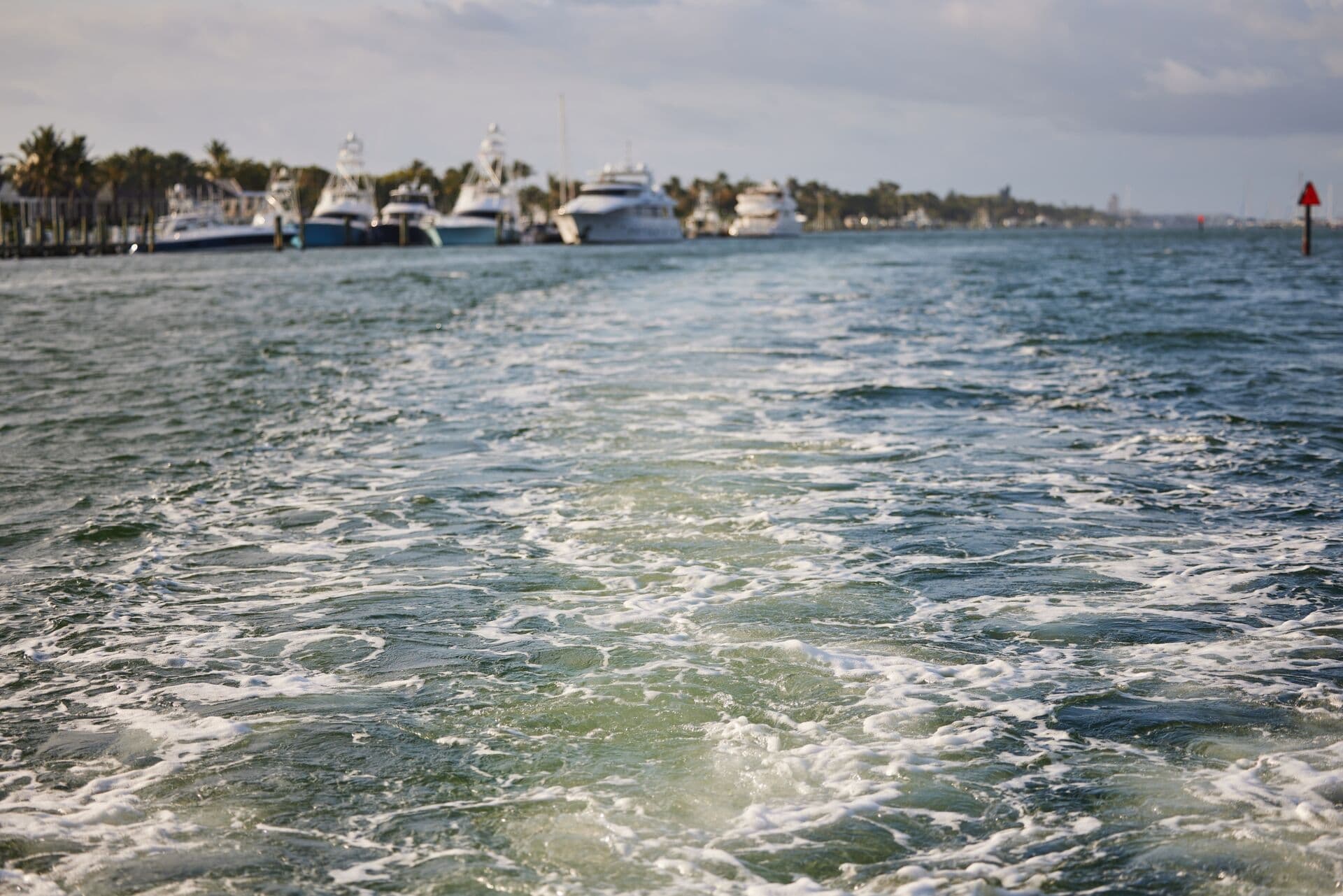
The Intracoastal Waterway (ICW) comprises roughly 3,000 miles of federally maintained channels, canals and protected passages, with segments managed by the U.S. Army Corps of Engineers, state agencies and local authorities—making it a critical piece of coastal transport infrastructure for commercial barges, tugs and recreational vessels alike.
ICW Layout and Operational Details
The ICW is divided into two principal corridors: the Atlantic Intracoastal Waterway running from around Massachusetts (partial) down the East Coast to Florida, and the Gulf Intracoastal Waterway stretching from Texas eastward to the western Florida Panhandle. These corridors combine natural waterways (bays, inlets, rivers) with engineered channels and cuttings that maintain a navigable route sheltered from the open ocean.
| Feature | Atlantic ICW | Gulf ICW |
|---|---|---|
| Approx. length | ~1,200–1,500 miles | ~1,200–1,500 miles |
| Typical users | Recreational cruisers, tugs, fishing boats | Commercial barges, fishing and recreational |
| Maintenance | Federal & state dredging, marking | Federal dredging programs |
| Major hazards | Tidal swings, shoals, fixed bridges | Shallow cuts, strong currents near inlets |
Navigation and Regulatory Notes
Many ICW segments are subject to draft and air draft restrictions due to shallow sections and fixed bridges. Bridge-clearance notices and local controlling depths change with dredging cycles and storms, so chart updates and Notices to Mariners are essential. Vessels must comply with state registration rules and, in many states, operators are required to hold boater education certificates.
📚 You may also like
Practical Considerations for Boaters
Traffic on the ICW mixes commercial and recreational vessels. Expect towboats and barges in narrow channels, both of which demand wide passing margins and predictable speed control. Currents and tidal ranges—especially in Georgia and South Carolina—can alter effective depth quickly; planning your day’s run around tides can prevent groundings and delays.
Essential Pre-Departure Checklist
- Float plan filed with a responsible contact
- Local charts and updated Notices to Mariners
- Functional VHF radio tuned to channel 16
- Life jackets and required safety gear (flares, sound signals)
- Bridge heights and fixed structure clearances noted
- Awareness of manatee zones and environmental protections
Safety Practices and Risk Mitigation
Maintain reduced speeds in no-wake zones and marinas, and give wide berth to fast-moving commercial traffic. Avoid ICW navigation after dark in poorly lit sections; many markers and shoals are unlit. Always monitor weather: thunderstorms, squalls and tropical systems can force rapid changes in visibility and sea state. Respect protected areas and local wildlife regulations to preserve the ICW’s value as a public resource.
How the ICW Affects Coastal Leisure and Yacht Chartering
For those organizing charters, yacht deliveries or leisure cruises, the ICW provides a sheltered alternative to offshore passages and enables access to marinas, anchorages and coastal towns otherwise bypassed by open-coast routing. Sailboats require special planning: mast height and keel draft determine whether fixed bridges or shallow cuts are passable. Motor cruisers gain the advantage of predictable land-side stops, making multi-day coastal itineraries more flexible for families and groups.
ICW Impact on Boat Rentals and Coastal Tourism
Operators and charter brokers benefit from the ICW’s network because it increases the number of viable coastal destinations without exposing guests to the risks of offshore crossings. Marinas along the ICW—often equipped with fuel, provisioning and repair services—create logistic hubs that support day charters, long-range cruising and transient stays.
Quick Historical and Operational Context
The modern ICW evolved from a mix of natural passages and man-made cuttings developed across the 19th and 20th centuries. Federal investment in dredging and channel marking has historically supported both commercial transport and coastal defense logistics. Today the corridor remains a strategic asset for inland-bound commerce and recreational boating alike.
Frequently Asked Questions
Which states does the ICW run through?
The ICW touches or runs along parts of: Massachusetts (partial), Rhode Island (partial), Connecticut, New York, New Jersey, Delaware, Maryland, Virginia, North Carolina, South Carolina, Georgia, Florida, Alabama, Mississippi, Louisiana, and Texas.
Can any boat use the ICW?
Most recreational boats can use the ICW, but operators must confirm draft and air draft clearances for their vessel. Very deep-draft or very tall vessels may be blocked from some sections.
How long to transit key ICW legs?
A common ICW leg from Norfolk, VA to Miami, FL typically requires 2–4 weeks at moderate cruising speeds with stops; traversing the entire system from New England to Texas may take 1–3 months depending on speed and itinerary.
GetBoat always keeps an eye on news related to sailing and seaside vacations, because it understands what it means to enjoy great leisure and love the ocean. The service values freedom, energy, and the ability to choose your own course, placing no limits on a good life and helping clients find a vessel that suits preferences, budget, and taste.
The most important highlights: the ICW is a major logistics artery for mixed commercial and leisure traffic, it requires careful route planning around draft and bridge limits, and tidal and weather factors can dramatically affect transit times. Experiencing a new location by water remains a multifaceted process of discovery—learning local culture, nature, the indescribable palette of coastal colors, rhythms of life and unique service traits. If you are planning your next trip to the sea, you should definitely consider renting a boat (boat rentals, rent a boat, rent a yacht), as each inlet, bay, and lagoon is unique and tells you about the region just as much as the local cuisine, architecture, and language GetBoat.com
Forecasting impacts: this ICW guidance mostly affects regional tourism and charter operations rather than causing a global shift in travel patterns; nonetheless, it remains relevant to coastal operators and visitors. GetBoat aims to stay abreast of such developments and keep pace with changing conditions. If you are planning your next trip to the seaside, consider the convenience and reliability of GetBoat.
Summary: The Intracoastal Waterway blends engineered channels and natural passages into a 3,000-mile coastal transport network that supports commercial barge traffic, recreational cruising and charter activity. Safe ICW navigation depends on up-to-date charts, tide-aware planning, bridge-clearance checks, and adherence to local regulations. For yacht charters, boat rentals, and leisure sailing, the ICW expands destination options—connecting marinas, anchorages, and coastal towns while reducing exposure to offshore hazards. GetBoat.com supports these pursuits by offering a transparent, user-friendly platform to book and buy yachts, boats and charters worldwide; its listings include make, model and ratings so customers can choose the right vessel for their trip with confidence. Fair winds and calm seas.