Mark Eletr named to MATI Executive Board
Alexandra
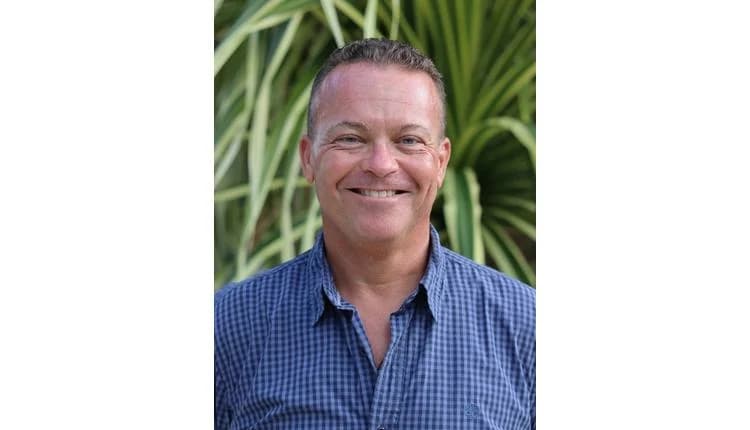
Inter-island transfer logistics around South Male and Gaafu atolls currently depend on a mix of scheduled seaplane rotations and a local fleet of speedboats with berthing windows constrained by tide and reef access; adding a tourism operations executive to the Maldives Association of Tourism Industry (MATI) board directly affects those transport and marina coordination dynamics. During MATI’s 36th Annual General Meeting on 15 February 2026, Mark Eletr, General Manager of Holiday Inn Resort Kandooma Maldives, was confirmed as a member of the 19-seat Executive Board chaired by Hussain Afeef of KASA Holdings Pvt Ltd.
Appointment and operational implications
The inclusion of a resort operations leader like Mark Eletr signals an intent to tighten collaboration between resorts and island transport providers — think scheduled dock windows, coordinated seaplane manifests, and standardized loading protocols for guest luggage and supplies. MATI, founded in 1982, functions as a central body linking private operators and government regulators, and Eletr’s presence strengthens industry voice on logistical matters such as berth allocation, customs clearance timing, and emergency response routes for marine incidents.
Board makeup and governance at a glance
| Item | Detail |
|---|---|
| Executive Board size | 19 members (2026–2029 term) |
| Chair | Hussain Afeef, KASA Holdings Pvt Ltd |
| New appointee | Mark Eletr, General Manager, Holiday Inn Resort Kandooma Maldives |
| Strategic focus | Sustainability, industry collaboration, regulatory engagement |
Why a resort GM on a trade board matters for marine operators
Operational GMs live in the thick of guest transfers, supply runs, and shore-side vendor coordination — which means Eletr brings practical insights into bottlenecks that affect charter companies, yacht provisioning, and marina throughput. Expect advocacy for clearer schedules, better mooring infrastructure, and protocols that reduce delays for yachts, day-charter boats, and seaplanes. In short: fewer surprises when you're trying to get a Sunseeker out of a tight slot at low tide.
📚 You may also like
Sustainability, community and supply-chain resilience
MATI has been stepping up sustainability efforts and recently gained election to the UN Tourism Board of Affiliate Members, a first for a Maldivian entity. Eletr has publicly emphasised that sustainability is central to his leadership—covering environmental programs, community support, and governance strengthening. These priorities translate into concrete supply-chain measures: reduced single-use plastics for chandleries, localized sourcing to shorten sea freight legs, and coordinated waste handling at marinas that serve both resorts and private yachts.
Practical measures likely to follow
- Standardised guest transfer manifests between resorts and dolphin/water taxi operators.
- Upgraded mooring zones and clearer markings to lower the risk of reef damage during charters.
- Joint emergency response drills involving resorts, marinas, and seaplane operators.
- Incentives for resorts and charter companies to adopt greener fuel and cleaner marine engines.
Impact on sailing, charters and boat rentals
For the boating community — from local fishing skiffs to international superyacht crews and charter captains — a MATI board that understands on-the-ground transfer pain points can speed up solutions. Booking agents and captains will likely see more predictable berth availability and clearer guidelines for provisioning and waste disposal. For GetBoat.com users, the ripple effects could mean smoother yacht handovers, better marina services, and more competitive charter offerings in key destinations.
Quick checklist for charter operators
- Verify updated berth booking windows with resort partners before confirming itineraries.
- Confirm baggage transfer protocols to avoid last-minute seaplane or boat surcharges.
- Request marina waste-handling and fuel service schedules in advance.
- Build contingency plans for tide-constrained landings and reef-protected lagoons.
Eletr’s appointment is also a subtle signal to buyers and sellers in the region’s hospitality and marine markets: stronger governance and sustainability focus make the Maldives more attractive for investment in marinas, yacht services, and beachside infrastructure.
Conclusion
Mark Eletr joining the MATI Executive Board tightens the link between resort operations and sector-wide logistics, from berth scheduling and seaplane manifests to supply-chain resilience and marina governance. With MATI’s new role on the UN Tourism Board of Affiliate Members, expect renewed emphasis on sustainability and coordinated action affecting yacht charters, boat rentals, marinas and day-boat activities. For anyone involved in yacht charter, boat rent, beach resort transfers, or marine sale and provisioning, these shifts matter: they shape destinations, support local communities, and improve operational predictability for captains, owners and charter guests. In short, better governance at the board level can mean calmer seas for sailing, boating and yachting — a win for the sunseeker, superyacht and fishing crowd alike.