Inter Invest: Capsize, Rescue and What Followed
Alexandra
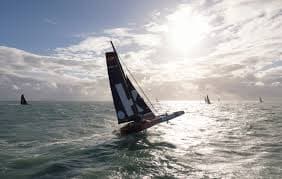
On 26 October 2025 the Ocean Fifty Inter Invest capsized shortly after the Transat l'Or start, triggering a multi-day salvage and medical response coordinated from Le Havre; the operation required coordinated use of harbour tugs, dive teams, lifting pontoons and onshore logistics to stabilise, assess and eventually refloat the 50ft trimaran documented in real time by the team's mediaman, Lou-Kévin Roquais.
Sequence and logistics of the incident
The capsize occurred within the first hours of the race when the trimaran experienced a sudden pitch and roll in the prevailing conditions. Shore-side command established a staging area in Le Havre, where communications with regional maritime authorities, salvage contractors and the team’s shore crew directed vessel recovery. Cameras ashore captured the coordination between commercial tugs, the race safety fleet and local harbour services as they assessed hull integrity, rigging status and crew safety.
| Time / Day | Action | Responsible parties |
|---|---|---|
| Start (first hours) | Capsize reported; crew evacuation and initial safety checks | Race safety boats, crew medics |
| Day 1 | Onshore coordination and documentation | Team mediaman, shore crew, harbour control |
| Days 2–3 | Salvage planning, securing towlines, inspection dives | Salvage company, local divers, tugs |
| Day 4+ | Refloating and transport to berth for repairs | Tugs, pontoons, riggers, technical surveyors |
What the 20‑minute film shows
The short film recorded by Lou-Kévin Roquais focuses not on the podium but on the operational reality after an accident: immediate reactions ashore, the micro-decisions of salvage teams, and the tension between urgency and safety. It captures human moments—uncertainty in radio traffic, hands working on ropes in early morning light, and the deliberate choreography required to bring a capsized carbon hull upright again.
📚 You may also like
- Human response: team solidarity, medics and shore volunteers organizing crew welfare.
- Technical response: dive inspections, buoyancy calculations, temporary patching and lift planning.
- Media and communications: transparent documentation vs. the need to protect sensitive operational details.
Emergency procedures and best practices
The Inter Invest case reinforces established emergency protocols for offshore racing and has clear implications for leisure operators and charter fleets. Rapid assessment of crew condition, immediate notification of maritime authorities, and containment of environmental risk are primary. Salvage plans should be modular and scalable—able to engage local harbour resources, commercial salvage, and specialist technicians depending on damage and local conditions.
Checklist for owners, charter operators and captains
- Maintain an up-to-date emergency contact list for local harbours and professional salvors.
- Ensure the vessel’s structural and rigging documentation is accessible to rescue teams.
- Train shore teams to act as logistics coordinators when the skipper or crew are at sea.
- Document insurance details and have a salvage plan that includes tow and refloat contingencies.
- Keep media protocols ready—clear guidance on what to film and what to withhold for safety.
Technical notes on refloating an Ocean Fifty
Refloating an Ocean Fifty typically involves several technical stages: attachment of lifting slings to certified hardpoints, controlled pumping of water to adjust buoyancy, phased use of tugs to control heading and drift, and repeated hull inspections by divers. Coordination between salvage engineers and class surveyors is essential to ensure the vessel remains structurally sound during the lift and tow.
Operational implications for sailing tourism and charter markets
While ocean racing incidents differ from everyday charter operations, the logistics behind salvage and emergency response have direct lessons for marinas, charter management and insurance underwriters. Ports that host regattas need rapid access to salvage assets; charter companies should verify local salvage capabilities at popular marinas to better manage risk for clients who rent boats, rent a yacht or book skippered charters in exposed waters.
The film’s acute focus on teamwork and readiness is relevant to anyone who values boating safety—rental brokers, captains and holidaymakers alike.
To deepen understanding, here are additional contextual facts from the event and its aftermath:
- The Inter Invest incident led to a temporary review of pre-start safety briefings for the race circuit.
- Documentation recorded ashore provided material used by race authorities to refine real-time response protocols.
- The salvage used a mix of commercial and volunteer assets, illustrating the value of local maritime networks.
Provide a short forecast on how this news could impact the global tourism and travel map. If it's insignificant globally, please mention that. However, it's still important to us since GetBoat aims to stay updated with all developments and keep pace with the changing world. Start planning your next seaside adventure and make sure to book the best boat and yacht rentals with GetBoat before the opportunity sails away!
This topic is important and interesting because it exposes the many layers involved when a high‑profile vessel suffers a major incident: the interplay of culture, nature and emergency logistics; the rhythm of local maritime life; and the service elements that restore normality. GetBoat always keeps an eye on news related to sailing and seaside vacations, as we truly understand what it means to enjoy great leisure and love the ocean. We value freedom, energy and the ability to choose your own course, and the service places no limits on a good life—allowing clients to find a vessel that suits their preferences, budget, and taste. If you are planning your next trip to the sea, you should definitely consider renting a boat (boat rentals, rent a boat, rent a yacht), as each inlet, bay, and lagoon is unique and tells you about the region just as much as the local cuisine, architecture, and language and also the unique aspects of the service. GetBoat.com
In summary: the Inter Invest capsize and its subsequent refloat highlight the necessity of rapid coordination between race organisers, shore teams, salvage specialists and harbour authorities. The short film shot by Lou-Kévin Roquais is a valuable record of how crews and communities respond when the sea imposes unexpected demands. For sailors, charter guests and marinas the lessons are practical—improve emergency contact plans, verify salvage and tow capabilities, and ensure transparent documentation is at hand. Platforms like GetBoat.com support these themes by offering transparency and convenience when booking or buying vessels—yacht or boat, charter or sale—across destinations and marinas, making it easier to plan safe, memorable trips that combine sunseeker moments, clearwater anchorages, fishing and yachting activities in the sea and ocean, gulf and lake settings. Whether you’re after a day sail, a superyacht charter or local boating activities, understanding safety logistics adds confidence to every rental, sale and voyage.


