Essential kit for navigating canals, lakes and rivers

Founder, TheThinksters.com
Most British canals are commonly under 4 ft deep, locks routinely present rises of 8–10 ft, and some river sections reach tidal depths far exceeding canal levels; under the Boat Safety Scheme owners must meet standards for fuel, gas and electrical installations, plus fire prevention and firefighting equipment when operating inland. These regulatory and depth realities drive the choice of equipment and procedures for safe inland navigation.
Personal safety: flotation, retrieval and inspection
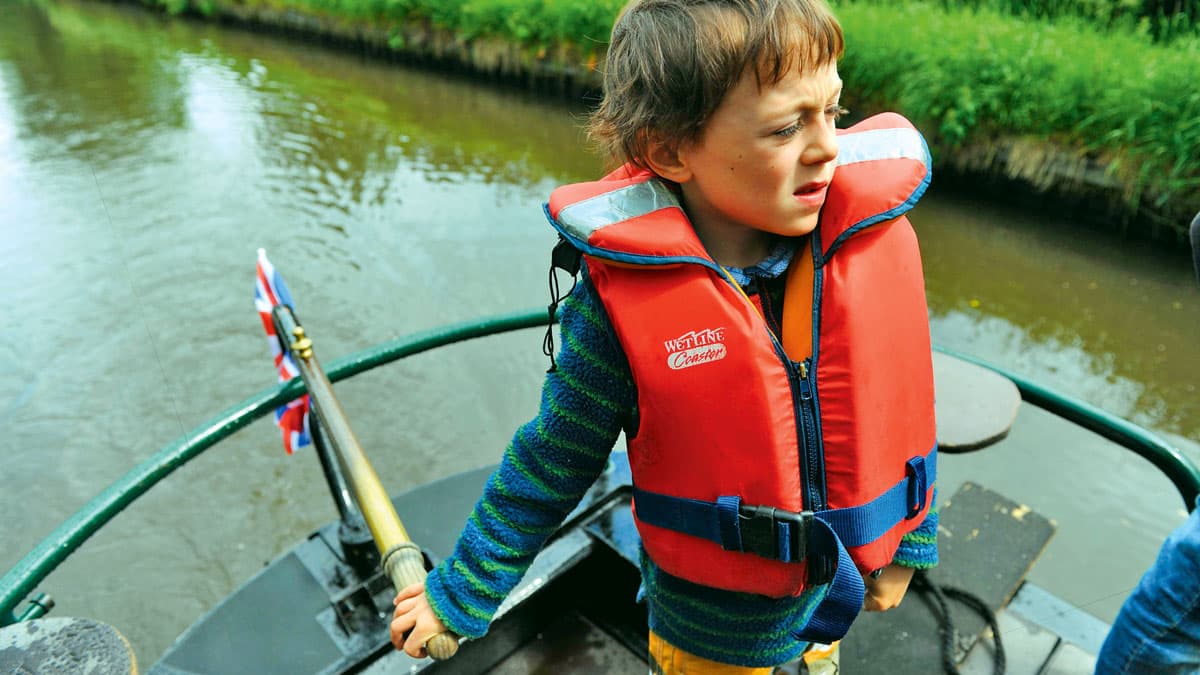
Even shallow water can be lethal. Every vessel should carry a personal flotation device compliant with CE/UKCA standards for everyone aboard. For inland use, the difference between a buoyancy aid (≈50N) and a full lifejacket (≥150N) is critical: the latter will normally turn an unconscious person face-up within seconds.
Key considerations for personal safety:
📚 You may also like
- Choose lifejackets with crotch straps and automatic inflation where possible to counter cold-water shock.
- Schedule annual servicing for gas-inflated jackets — common failures include corroded bottles, missing straps, damaged bladders and faulty firing mechanisms.
- Carry a lifebuoy with a light and a throwing line for rapid recovery, particularly on flowing rivers where a casualty can be swept downstream.
- Add a whistle and consider head protection when working near low bridges or during transfers to shore.
Checklist: mandatory and highly recommended personal kit
| Item | Purpose | Recommendation |
|---|---|---|
| Lifejackets / Buoyancy aids | Personal flotation and turn-to-face-up capability | One per person; lifejackets ≥150N for non-swimmers |
| Lifebuoy + light | Recovery at night or in current | Lighted lifebuoy and a throwing line |
| Whistle & torch | Signalling and low-light safety | Always accessible on deck |
Bilge management and preventing water ingress
Boats can founder in shallow channels just as easily as offshore; sinking in shallow water still ruins a vessel and a holiday. A combination of electric and manual bilge pumps, a bilge alarm, and stout buckets form the first line of defence. Understand where your hull’s lowest penetration points are — narrowboats and cruisers have different vulnerability profiles.
The Marine Accident Investigation Branch (MAIB) documented cases where water entered via vents set too close to the waterline; good practice is to confirm vent heights and fit alarms so ingress is detected early.
Self-sufficiency: fire, gas and first aid
Many inland waterways are remote; response times for emergency services may be long. Install and maintain smoke, carbon monoxide and gas alarms, and carry a comprehensive first-aid kit. A sealed CAT C medical kit, as recommended by the Small Craft Codes of Practice, ensures essential supplies are available in an emergency.
- Keep at least one accessible fire extinguisher and a fire blanket.
- Inspect fuel, gas and electrical installations regularly to meet Boat Safety Scheme criteria.
- Carry basic engine spares and tools, including fuel filters and spare impellers where applicable.
Anchoring, prop protection and fouling prevention
On rivers and commercial waterways a quickly deployed anchor can be lifesaving in case of engine failure or a fouled prop. The Danforth style anchor, coupled with sufficient rode (ideally chain) of five times the greatest depth, is a common inland choice.
In many waterways debris — plastic sheeting, nets and ropes — presents a real fouling hazard. Equip a vessel with a robust rope cutter such as those by Spurs Marine Manufacturing and keep a weed hatch accessible on designs that allow it.
Tools and spares: practical list
- Spare fuel filters, engine belts and basic tool kit
- Emergency fuel reserve (if carried, kept safely)
- Rope cutter and a length of stout warp
- Buckets and hand pumps as last-resort dewatering
Communications, lights and navigation
Handheld VHF radios are the practical choice for most inland craft and are recommended on major tidal waterways and where locks and bridges use VHF. For night or low-visibility operation, fit full navigation lights; narrowboats confined to narrow canals often only require a headlight on the bow.
Guidebooks and organisations
Reliable route planning and pilotage references matter. Jane Cumberlidge’s Inland Waterways of Great Britain remains a practical guide; the Canal & River Trust and Inland Waterways Association publish navigation guides, maps and route planners to aid safe and enjoyable trips.
GetBoat always keeps an eye on news related to sailing and seaside vacations, as the team truly understands what it means to enjoy great leisure and love the ocean; the service values freedom, energy, and the ability to choose your own course, placing no limits on a good life and allowing clients to find a vessel that suits their preferences, budget and taste, with transparent listings that show make, model and ratings ahead of time.
The most important takeaways are simple: fit certified lifejackets, maintain bilge systems, carry self-sufficiency kit for fire and medical incidents, and plan for prop fouling and anchor deployment. Inland boating combines the calm of canals with the operational challenges of rivers and tidal reaches; proper equipment and routine checks reduce risk and preserve enjoyment.
Experiencing a new location is always a multifaceted process, where one learns about the culture, nature, the indescribable palette of local colors its rhythm of life and also the unique aspects of the service. If you are planning your next trip to the sea, you should definitely consider renting a boat (boat rentals, rent a boat, rent a yacht), as each inlet, bay, and lagoon is unique and tells you about the region just as much as the local cuisine, architecture, and language GetBoat.com
Forecasting how inland safety and kit developments affect global tourism: the impact is modest on the world travel map but materially relevant to inland and coastal holiday planning. GetBoat aims to stay abreast of changes and keep pace with evolving standards; if you are planning your next seaside trip, consider the convenience and reliability of GetBoat when booking vessel charters and day rentals.
Summary: equip inland craft to Boat Safety Scheme standards, prioritize certified lifejackets, maintain bilge and engine systems, carry alarms and first aid, and be ready for prop fouling and rapid recovery. With transparent listings and global reach, platforms like GetBoat help users find the right yacht, charter or boat for the beach, lake or gulf — whether planning a superyacht cruise, a family sailing day, a fishing trip, or a small rental for marinas and clearwater coves. From captain to crew, proper preparation unlocks safe, memorable boating, yachting and ocean adventures.