IndiGo halts services to Tbilisi, Almaty, Tashkent and Baku
Alexandra
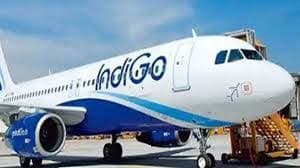
IndiGo has suspended its scheduled services to Tbilisi, Almaty, Tashkent and Baku through January 28 and introduced additional en-route refuelling stops on several flights to the CIS region as airlines respond to elevated risks associated with Iranian airspace.
Operational changes and immediate impacts
Following an advisory from the European Union Aviation Safety Agency (EASA) that signalled a heightened threat environment in and around Iranian airspace, carriers operating regional and transcontinental routes have enacted contingency plans. Measures in the short term include:
- Temporary suspension of point-to-point services to selected CIS capitals.
- Implementation of additional technical stops for refuelling to allow routing around restricted or higher-risk airspace.
- Re-routing of Europe-bound aircraft to avoid overflying Iran, typically via corridors over Iraq, the Gulf and eastern Mediterranean where operationally feasible.
- Ongoing route assessments for flights to and from North America and Asia, with crews and dispatch teams standing by for further instructions.
Affected routes and status
| Route | Current status | Operational note |
|---|---|---|
| IndiGo — Tbilisi | Suspended until Jan 28 | Services cancelled; passengers being rebooked or refunded |
| IndiGo — Almaty | Suspended until Jan 28 | Planned refuelling halts introduced for alternate routings |
| IndiGo — Tashkent | Suspended until Jan 28 | Operations under review depending on regional advisories |
| IndiGo — Baku | Suspended until Jan 28 | Passengers offered rebooking; network capacity reallocated |
| Air India — Europe/Transcontinental | Rerouted away from Iran | Overflight of Iran avoided per EASA advisory; alternative tracks over Iraq used |
Passenger and cargo implications
Passengers on affected services face cancellations, schedule changes, and longer block times due to detours and additional fuel stops. Freight and time-sensitive cargo may incur delays or be restructured across alternate carriers and routings. Airlines have emphasised safety as the primary consideration for rerouting and cancellations, with customer-service teams mobilised for re-accommodations and refunds where appropriate.
📚 You may also like
Regulatory guidance and risk assessment
The EASA advisory cautioned that the deployment or heightened readiness of surface-to-air missile systems in the region poses a significant risk to civil aviation across a wide range of altitudes. Regulators urged operators under EASA jurisdiction, and third-country operators flying into, from or within the EU, to avoid Iranian airspace until the situation stabilises.
- EASA described an increased likelihood of misidentification of civil aircraft amid elevated military alert levels.
- National civil aviation authorities are coordinating NOTAMs and operational directives with airlines and airports.
- Dispatch centres are recalculating fuel burn, alternate airports and ETOPS considerations for twin-engine aircraft given extended routing.
Historical context: precedents in routing and airspace closures
Commercial aviation has faced similar disruptions in the region before. Notably, in January 2020 the downing of Ukraine International Airlines Flight PS752 over Iranian airspace led to widespread re-evaluation of overflight risks and a wave of airspace restrictions from multiple states. Since then, airlines and regulators have maintained heightened sensitivity to potential military activity and missile threats in the Persian Gulf and adjoining air routes.
Rerouting to avoid conflict zones is an established contingency, but it carries operational costs: longer flight times, increased fuel consumption, slot and crew-hour implications, and downstream schedule knock-on effects across networks. Air carriers maintain contingency reserves and operational procedures to mitigate these effects, but prolonged restrictions can affect frequency, connectivity and yield.
Airline operational adaptations since 2020
- Permanent adjustment of certain Europe–Asia tracks to favour southern or northern alternatives depending on threat assessments.
- Enhanced coordination between flight operations, intelligence inputs and civil aviation authorities.
- Increased reliance on overflight permissions and diplomatic clearances for ad hoc routings.
Forecast: what this means for international travel and tourism
In the near term, travellers should expect continued volatility on routes that historically used Iranian airspace as a transit corridor. Airlines will prioritise safety and may keep altered routings or reduced frequencies in place until the regional threat picture clarifies. For international tourism, the impacts are likely to be indirect but material:
- Longer door-to-door travel times for passengers connecting via affected hubs.
- Pooled network capacity could push prices upward on alternative routes if demand holds.
- Increased operational complexity for long-haul services, potentially affecting seasonal capacity to and from regions bordering the Persian Gulf and Central Asia.
Travel managers and tour operators should monitor carrier advisories and purchase flexible fares where possible. Insurance coverage considerations for delays and cancellations will also be relevant for group and individual itineraries.
Contingency planning for operators
- Maintain flexible ticketing and rebooking policies for affected passengers.
- Coordinate with ground handling and cargo partners to prioritise perishable and priority shipments.
- Review fuel uplift and ETOPS planning for extended routings to ensure regulatory compliance.
Key takeaways
IndiGo has proactively suspended services to four CIS capitals and adjusted routings in response to EASA warnings and the evolving security environment around Iran. Air India and other carriers have similarly modified overflight plans, opting for safer corridors even where that implies operational and commercial consequences. Passengers and shippers should expect delays and exercise flexibility when booking or traveling through the affected corridors.
GetBoat (GetBoat.com) is always keeping an eye on the latest tourism news and developments. The suspension of routes to Tbilisi, Almaty, Tashkent and Baku underscores how geopolitical risk can ripple into transport and leisure sectors—from beaches and lakefront resorts to broader Destinations and activities that depend on reliable air connections. When planning future travel—whether considering a beach holiday, sailing on a yacht, a boating trip on a clearwater lake, fishing excursions, or exploring marinas and gulf cruising—travellers and operators must factor in potential changes to flight schedules, captain and crew availability, and logistical windows for superyacht or water-based itineraries. This event is a reminder that air route disruptions can influence itineraries across sea, ocean and inland waters, affecting the timing and availability of yachting and boating activities, even where direct maritime services are not involved.


