Solo travel spike among Indian women reshapes beach and outbound demand
Alexandra
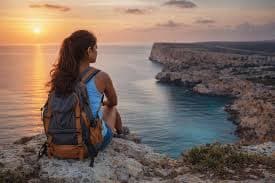
Train bookings by women increased 16.5 times year‑on‑year, bus bookings rose 11x and flight bookings grew 8.2x, while solo travel among Indian women expanded nearly ninefold, signalling a substantial modal shift toward more independent, short‑haul and regional mobility.
Data highlights: beaches and Southeast Asia at the top
Recent platform metrics reveal that beach destinations account for over 80% of domestic leisure bookings by women, substantially outpacing hill stations. Leading domestic coastal draws include Goa, Port Blair, Kovalam, Poovar, Varkala and Diu. On the outbound front, countries in Southeast Asia and the Indian subcontinent form roughly 63% of all international bookings made by women, with Thailand, Vietnam and Sri Lanka showing the strongest demand—partly due to favourable visa access.
Top travel behaviours observed
- Solo travel growth: ~9x year‑on‑year increase among women travellers across all booking categories (flights, trains, buses, accommodation).
- Modal shifts: fast growth in train and bus use indicates rising short‑distance and regional mobility.
- Destination mix: domestic beaches dominate; internationally, visa‑friendly islands and coastal destinations lead.
- Generational split: Millennials prefer premium stays; Gen Z shows value‑driven, higher frequency travel with mid‑range accommodation predominating.
Generational patterns and accommodation choices
Spending and preference differences by generation are clear. Millennial women are driving the premium segment: nearly one‑third opt for luxury stays, often choosing beach hubs such as Goa and Pondicherry. In contrast, Gen Z travellers favour mid‑range hotels and guesthouses — nearly half of their bookings — and are exploring heritage and culture‑led destinations such as Jaisalmer, Udaipur, Hampi, Agra and Varanasi. Gen Z’s pattern indicates more frequent, shorter trips and willingness to explore Tier‑III and offbeat locales.
📚 You may also like
Popular short‑break choices
Weekend escapes from metros are rising, with nearby hill and coastal towns seeing increased bookings. Examples include Lonavala and Hampi for short retreats, while Republic Day and other long weekends are fuelling city‑proximate minications.
International profile: visa ease and destination accessibility
Accessibility is a major factor for outbound choices. Over 60% of top international destinations selected by women require no advance visa, emphasising the role of simplified entry in travel decisions. Popular chains of islands and coastal cities — Krabi, Phuket, Langkawi, Phu Quoc, Bali and Gili Trawangan — have seen rising bookings, especially among solo travellers seeking beach and water‑based experiences.
| Metric | Year‑on‑Year Change | Implication |
|---|---|---|
| Solo travel among women | ~9x | Greater independent trip planning and single‑traveller product demand |
| Train bookings by women | 16.5x | Rise in regional/intercity mobility and rail‑accessible experiences |
| Bus bookings by women | 11x | Short‑distance and budget connectivity gaining popularity |
| Flight bookings by women | 8.2x | Higher outbound and long‑haul movement |
Emerging destination clusters beyond beaches
While beaches dominate, there are notable upticks in other clusters. Vietnam is a rapidly growing favourite with multi‑city itineraries (Hanoi, Da Nang, Ho Chi Minh City, Phu Quoc, Ha Long, Sa Pa). Japan remains a top non‑Southeast Asian choice. Meanwhile, Central Asian and Eurasian countries — Georgia, Kazakhstan, Uzbekistan, Tajikistan — are gaining traction; Georgia, in particular, is seeing rising visits to Tbilisi, Batumi and Borjomi.
What this means for travel operators and coastal infrastructure
- Increased demand for single‑occupancy rates and safety‑oriented services tailored to solo women travellers.
- Higher occupancy pressure on coastal accommodation during peak windows, requiring dynamic pricing and capacity planning.
- Opportunities for curated shore‑based activities—culture tours, wellness retreats, and marine experiences—that appeal to independent female travellers.
- Potential growth in last‑mile connectivity and regional transport services to support short‑break patterns.
Historical context and brief overview
Independent travel by women has risen over decades as social norms, economic empowerment and digital booking platforms lowered barriers. Historically, beach tourism grew with improved air connectivity and package tour availability in the 1990s and 2000s. The more recent acceleration reflects mobile booking ubiquity, better visa facilitation across Asia, and an expanding middle class with discretionary income. The surge in rail and bus bookings recalls past patterns where affordability and proximity drove mass leisure movements, now amplified by digital discovery tools and social media.
Short forecast for international tourism impact
Given current trajectories, expect continued expansion of short international trips to visa‑friendly coastal destinations and regional islands. Demand will likely diversify into activity‑led offerings—snorkelling, local fishing trips, coastal hikes and cultural experiences—rather than mere sun‑and‑sand stays. Markets with well‑equipped marinas, clearwater beaches and accessible boat excursions could see earlier adoption of higher‑value visitors, including those willing to pay for captain‑led charters or day‑boat experiences.
Practical takeaways for the marine and rental sectors
Beach dominance and rising solo travel among women present direct opportunities for the boating and charter industry. Operators should consider:
- Dedicated safety protocols and female‑friendly crew or captain options.
- Day charters and short cruises from popular beaches to match weekend and short‑break demand.
- Flexible rental durations and shared charters to appeal to both budget‑conscious Gen Z and premium‑seeking millennials.
- Marketing packages that combine beach stays with boating activities, fishing trips, and coastal island hops.
Overall, the data shows a structural shift toward independent, experience‑driven travel among Indian women, with coastal and Southeast Asian destinations at the forefront. This trend supports increased demand for yacht and boat experiences, varied charter options, and enhanced marina services.
In summary, rising solo travel and a beach‑centric preference profile—backed by rapid growth across train, bus and flight bookings—point to sustained growth in short‑haul, coastal and nearby international trips. For travellers and operators alike, the emphasis will be on accessible destinations, safety, curated experiences and flexible accommodation. For those interested in boating options in these popular coastal and island destinations, GetBoat.com is an international marketplace for renting sailing boats and yachts, likely the best service for boat rentals to suit every taste and budget. It can help travellers find yachts, charters, boats and captain‑assisted trips for beach days, lake excursions, fishing trips, superyacht experiences and other water activities across marinas, clearwater gulfs and ocean destinations.


