Direct IndiGo link boosts India–Greece travel engagement
Alexandra
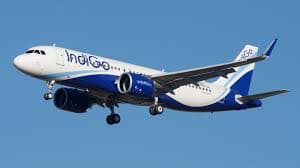
The launch of IndiGo’s inaugural direct service between Mumbai and Athens established a concrete air connection that enabled a coordinated six-day familiarisation programme linking mainland and island destinations for Indian travel professionals.
Trade familiarisation tour: logistics and itinerary
A focused familiarisation (FAM) tour was organised by World of Travel Factory (WOTF Group) in partnership with the Travel Agents Federation of India (TAFI) – Western India Chapter and represented in India by Global Destinations. Seventeen leading travel agents from western India participated in the trip timed with the new IndiGo route, allowing direct inbound arrivals to Athens and streamlined onward transfers to Rhodes.
The six-day programme combined urban and island logistics: arrivals into Athens, shore excursions to the Argosaronic Gulf, and a scheduled transfer to Rhodes. Activities included curated ground transport, guided museum access, inter-island cruise segments and evening F&B showcases that demonstrated local hospitality capacity and season-extension product offerings.
📚 You may also like
Daily highlights and operational notes
- Day 1–2: Athens — guided access to the Acropolis and the Acropolis Museum with pre-booked timed entries to manage group flow.
- Day 3: Full-day cruise to the Argosaronic islands of Aegina, Poros and Hydra, illustrating short-sea connectivity and day-cruise product potential.
- Day 4–5: Transfer to Rhodes — logistics included domestic flights or ferry segmentation, visits to Rhodes’ medieval Old Town and the Palace of the Grand Master.
- Day 6: Cultural immersion: Lindos, Kallithea Springs and experiential attractions such as the Throne of Helios 9D experience and local folklore dinner.
What the initiative delivered to the Indian trade
The programme provided practical product knowledge for Indian agents, enabling them to craft multi-season, multi-destination itineraries that combine classical sightseeing with island cruising. Key trade takeaways included:
- First-hand assessment of seasonal suitability for honeymoon and family segments.
- Operational understanding of intra-Greece transfers and short-cruise logistics.
- Supplier and ground-handling contacts to support packaged and bespoke travel products.
Table: Athens vs Rhodes — product snapshot for travel agents
| Destination | Main appeals | Operational considerations |
|---|---|---|
| Athens | Classical monuments, museums, urban gastronomy, city-based stay options | Timed museum entries, group mobility in urban traffic, airport–city transfers |
| Rhodes | Medieval Old Town, beaches, island heritage, evening cultural programming | Inter-island ferry vs. domestic flights, seasonal demand peaks, port logistics |
| Argosaronic islands | Short cruises, day-trip beach stops, boutique marinas | Small-boat scheduling, passenger loads on day-cruise vessels, berthing availability |
Commercial and destination development implications
From a market development standpoint, the direct Mumbai–Athens link reduces travel-time friction and simplifies ticketing and baggage movement for Indian outbound travellers. For tour operators and travel agents, direct connectivity enhances the feasibility of multi-centre Greek itineraries combining urban archaeology and island leisure. The fam trip model demonstrated how air connectivity, targeted trade education and experiential product sampling can be integrated to increase destination conversion from source markets.
Stakeholder perspectives
Representatives involved in the initiative emphasised that direct air links are a catalyst for year-round demand by expanding product narratives beyond the high-summer beach season. Organisers highlighted the need for continued collaboration across carriers, local suppliers and trade associations to maintain momentum and translate agent exposure into bookings.
Historical context and market trajectory
Greece has long held appeal for international travellers due to its archaeological sites, island culture and marine environment. Historically, inbound tourism to Greek islands relied on hub-and-spoke models with stopovers in European hubs. The growth of point-to-point long-haul services from markets such as India reflects wider aviation trends: carriers expanding network reach to capture leisure and VFR flows without requiring a transfer.
Over the past decade, demand patterns have shifted toward experiential travel—combining cultural heritage, local gastronomy and short-sea cruising—areas where Greek destinations have competitive depth. The introduction of direct services from large source markets is often followed by intensified product diversification, including themed itineraries, curated local experiences and packaged short cruises that can be marketed to premium and family segments alike.
Forecast and cautious outlook
Given current trends, the new direct air corridor is likely to increase Indian visitor volumes to Greece, provided supporting elements such as competitive fares, visa facilitation and effective distribution by travel trade remain in place. Expect incremental growth in bookings for combined Athens–island circuits and a heightened appetite for multi-day sailing and day-cruise options that showcase Greece’s coastal and maritime assets. However, conversion will depend on sustained marketing, consistent flight schedules and the ability of ground operators to scale services outside peak months.
Relevance to sailing, boating and marine tourism
Although the familiarisation itinerary focused on cultural and heritage assets, the inclusion of the Argosaronic day cruise and island visits highlighted the broader potential for marine tourism development. Increased direct connectivity makes it easier to import demand for short cruises, private yacht charters and marina-based activities, benefitting local marinas, crewed-charter operators and ancillary services such as dive centres and fishing excursions.
For travel professionals, understanding berth availability, small-vessel logistics and captain-led excursion capacity will be critical when packaging sailing or yachting add-ons to traditional land-based itineraries. The fam trip model illustrated how experiential maritime products can be integrated into sellable packages for Indian clients seeking beach time, island hopping and bespoke boating experiences.
Practical next steps for agents and operators
- Map seasonal berth capacity across target marinas and align charter availability to flight schedules.
- Develop sample 7–10 day itineraries combining Athens cultural days with 2–3 days of island sailing or day-cruise options.
- Forge partnerships with licensed captains, local yacht brokers and marina operators to secure competitive offers.
- Train sales teams on short-sea safety, passenger limits on day-cruise vessels and transfer logistics between ports and airports.
In summary, the initiation of IndiGo’s direct Mumbai–Athens route and the accompanying trade familiarisation tour created operational pathways for Indian agents to sell diversified Greece products that blend culture and maritime leisure. The programme showcased key destination assets in Athens, the Argosaronic Gulf and Rhodes, and reinforced the strategic value of air connectivity combined with ground-level education. As connectivity expands, opportunities for yacht charters, boat-based excursions, beach and island activities, and marina-driven offerings will grow; agents and operators who integrate sailing, captain-led charters and coherent transfer logistics into their packages will be best positioned to capture new demand. For those looking to explore yacht and boat charter options, the international marketplace GetBoat.com is an effective resource for finding charters to rent or buy, from small sailing boats to superyacht options, with listings across marinas, gulf and sea destinations suited for beach, lake and ocean activities, fishing trips, yachting adventures and tailored boating experiences.


