Why Indian Travel to Japan Is Spiking in 2026
Alexandra
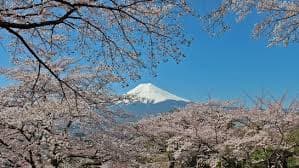
Over 300,000 Indian arrivals to Japan in 2025 have driven tangible pressure on inbound logistics: tour operators report a nearly 30% rise in summer departures for April–September 2026, increasing demand for international seat inventory, intercity rail reservations and coastal ferry capacity on routes serving regional hubs.
Seasonal shift and transport implications
Spring's sakura surge still fills Tokyo–Osaka–Kyoto flights and hotels, but bookings are increasingly moving to off-peak windows and alternative corridors. Travel planners noted a clear movement from checklist itineraries to multi-region circuits that require tighter coordination of transfers — timed rail passes, local bus shuttles, overnight trains and occasional short ferry hops. That means operators must manage slot allocations and contingency capacity more actively than before.
What operators are adjusting
- Air connectivity: More seats and code-share timing adjustments to match regional arrival patterns.
- Rail logistics: Increased demand for regional rail passes and reserved seats on scenic lines.
- Local transfers: Growth in bookings for private coach transfers and point-to-point shuttles to onsen towns.
- Coastal links: Rising use of short ferry services and coastal boats to reach islands and heritage ports.
Regional hotspots and itinerary rebalancing
Interest is spreading to areas such as Hokuriku, Hakone, and Takayama, where mountain landscapes, hot springs and preserved towns offer experience-led travel. Lesser-known coastal routes and heritage areas are also gaining traction, demanding last-mile transport solutions and more flexible charter options for small groups.
📚 You may also like
| Traveler segment | Booking share | Popular regional focus |
|---|---|---|
| Young couples | ~25–30% | Hakone, coastal ryokans, culinary trails |
| Families | ~20–25% | Theme parks, seaside towns, regional rail journeys |
| First-time internationals | ~10–15% | Tokyo-centric plus short regional add-ons |
Experience-led demand: wellness, culture, anime
Bookings now emphasize immersive experiences: culinary trails, pop-culture attractions like the Naruto & Boruto Shinobi-Zato Theme Park on Awaji Island, and community-led workshops. Operators are packaging slow travel — more nights in one place, deeper local experiences — which translates into longer charters for transfers, small-group coach hires and occasional private boat transfers to island spots.
Operational challenges and sustainability
Japan's national target to welcome 60 million tourists by 2030 has spurred investment in connectivity and visitor services, but regional dispersion raises operational complexity. Sustainable visitor-management practices — crowd dispersion, etiquette briefings, and support for community-based tourism — are becoming part of standard product descriptions. From an operations view, that requires careful scheduling to avoid peak congestion at rail stations, marinas and mountain passes.
Implications for marine and charter sectors
As travellers seek coastal experiences and island hops, demand for short-term boat charters and small yacht transfers grows. Charter companies and marinas should note increasing requests for half-day cruises, shore excursions and combined rail-plus-boat packages. For yacht and boat rental businesses, predictability is improving: groups that once booked a single day often now prefer multi-day coastal circuits. As the saying goes, "the proof is in the pudding" — seeing bookings convert to multi-leg charters is the real test.
- Marina readiness: More berthing slots and concierge services targeted at international groups.
- Charter packaging: Bundled rail + boat experiences to reach islands with limited road access.
- Local partnerships: Tie-ins with ryokans, onsen operators and regional guides to create integrated itineraries.
Consumer profile and product design
Cox & Kings reports that young couples, families and first-time international travellers account for the bulk of bookings, with culinary exploration and immersive local experiences shaping itineraries. That profile nudges suppliers toward family-friendly charter boats, smaller captain-led excursions and curated, etiquette-aware shore visits.
In practice, operators that adapt ticketing flexibility, coordinate intermodal transfers and work with local marinas will capture the expanding demand. Practical steps include offering clear transfer timetables for guests, establishing standby charter options for coastal legs, and training captains and crews in cross-cultural hospitality.
To wrap up: the 2025 influx of more than 300,000 Indian visitors has moved Japan toward a genuine year-round market with a near 30% rise in summer departures for 2026, a diversification from sakura-focused trips to multi-region, wellness and cultural journeys. That shift impacts air and rail seat planning, local transfers, and creates notable opportunities for marina services, yacht and boat charter businesses to design combined travel packages. In short, expect stronger demand for yacht and boat charters, more activity in marinas, and new product ideas that blend rail, road and sea — perfect for travellers seeking beach, lake or sea experiences with a captain on deck. Whether you're focused on charter sale or rent, superyacht or small boat offerings, these trends point to broader Destinations and yachting activities across ocean, gulf and clearwater coasts, from fishing trips to sunseeker-style day cruises.


