India’s Tourism Push at New York Travel Show
Alexandra
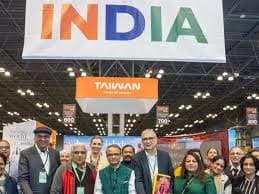
The India Pavilion occupied a prominent position at the main entrance of the Jacob Javits Centre during the Travel & Adventure Show 2026 (January 24–25), registering more than 10,000 visitors and showcasing Indian tour operators, cultural programming and government initiatives aimed at increasing US inbound tourism.
Event highlights and on-site logistics
The pavilion’s footprint at the Jacob Javits Centre was deliberately positioned for maximum footfall, allowing participating operators to engage with both trade and consumer audiences. The pavilion featured live demonstrations, immersive VR experiences, and scheduled performances that required careful stage timing, queue management and health-and-safety protocols. The event schedule and booth placements were coordinated so that peak visitor flows were concentrated during midday slots, enabling travel companies to capture high-conversion leads.
Key participants and offerings
Consul General of India in New York, Binaya Pradhan, inaugurated the pavilion and emphasized the presence of Indian tour operators that travelled specifically to exhibit in New York and, in some cases, to establish US offices to facilitate bookings. Participating organisations included Air India, Veena World, Sky Bird Vacations, Tiwari Tours, TopTours and Travels, Shikhar Travels and Palace Tours. The pavilion also showcased the government’s One District One Product initiative, promoting regional crafts and specialties for travel retail and souvenir partnerships.
📚 You may also like
| Exhibit | Type | Main attraction |
|---|---|---|
| Air India | Air carrier | Connectivity & fare promotions |
| Veena World | Operator | Curated cultural circuits |
| Sky Bird Vacations | Operator | Customised itineraries |
| Art & Crafts | One District One Product | Regional textiles, handicrafts |
| Performances | Cultural | Folk dance, henna, Madhubani art |
Visitor engagement tactics
- Live cultural performances and scheduled demonstrations to hold audience attention.
- Immersive VR experiences to present remote destinations and adventure activities.
- On-site food tastings (chaat, masala tea) to communicate culinary appeal.
- Art displays (e.g., Madhubani works by Nupur Nishith) to link craft tourism with itineraries.
Cultural programming and marketing
The pavilion integrated culinary sampling, folk dance and hands-on activities such as henna art to create memorable touchpoints for potential travellers. A notable piece was a Madhubani painting by Nupur Nishith that juxtaposed New York City landmarks with Indian motifs, functioning as a visual bridge for the diaspora and non-diaspora visitors alike.
Operational enablers: visas and facilitation
One logistical advantage emphasised at the pavilion was the widespread adoption of electronic visas, which account for the majority of inbound US tourist arrivals to India. Exhibitors and consular staff highlighted streamlined e-visa processes and bilateral air connectivity as critical enablers for short-to-medium haul package sales and last-minute charter enquiries.
Takeaways for tour operators and travel trade
- High visibility events in gateway cities can accelerate brand recognition for India-based operators setting up US offices.
- Promoting accessible visa solutions reduces friction for multigenerational diaspora travel campaigns.
- Integrating craft and culinary retail into tours increases per-guest spend and provides opportunities for cross-selling.
Historical context: evolution of India’s outbound and inbound tourism strategy
India’s focused tourism promotion to North America has evolved over the past decade from occasional trade shows to sustained market-entry strategies. Since the mid-2010s, the rollout of electronic visa categories broadened access for short-term leisure and business travellers, while state-level initiatives and flagship programmes like One District One Product created tourism-linked retail value chains. Major carriers resumed capacity growth post-pandemic, enabling a broader portfolio of direct and one-stop connections between US gateways and Indian metros.
Tourism product development also shifted from purely cultural and heritage circuits to include adventure, wellness and coastal experiences. Coastal states such as Goa, Kerala and Maharashtra invested in marinas, water sports infrastructure and niche offerings—factors that now intersect with private charter demand and luxury travel trends.
How this affects marine and charter sectors
Increased US tourism interest, easier visa access and promotional ties can translate into higher demand for maritime experiences. Operators and destination managers in coastal hubs should expect elevated inquiries for:
- Day charters and yacht excursions around Goa and the Konkan coast
- Houseboat and backwater sailing in Kerala tailored to family and luxury travellers
- Island-hopping itineraries in the Andaman archipelago and Lakshadweep
- Sport fishing and diving packages paired with resort stays
For marinas and private-boat operators, trade shows and diaspora-focused campaigns present opportunities to advertise captain-led charters, skipper training, and short-term yacht rental packages aimed at family groups and superyacht transfer clients.
Forecast: tourism, trade shows and the next 3–5 years
Assuming consistent air connectivity and visa facilitation, the next three to five years could see a rebound in high-value travel segments to India, including yachting and coastal charters. Travel trade activations in major feeder markets like New York function as catalysts for bookings across multiple product types—heritage circuits, culinary trails, and marine activities. Demand spikes are likely to concentrate around peak seasons and festival calendars, with incremental growth in off-season niche bookings such as wellness and diving.
| Indicator | Short-term outlook | Medium-term outlook |
|---|---|---|
| Air capacity | Gradual recovery | Return to pre-pandemic routes with new connections |
| Visa facilitation | Stable e-visa uptake | Potential expansions for niche categories |
| Marine tourism | Rising inquiries | Growth in charters, marinas and superyacht calls |
Operators who align marketing, distribution and on-the-ground logistics with festival schedules, diaspora travel windows and maritime capacity (marinas, vessel availability, captains) will be best positioned to capture the uplift in demand.
In summary, the India Pavilion’s high-profile placement at the Travel & Adventure Show and its mix of cultural, culinary and commercial exhibits signal a concerted effort to convert interest into bookings. The combination of consular facilitation (e-visas), airline connectivity, and curated product offerings—from heritage trails to coastal charters—creates pathways for increased tourist flows. For travellers and industry players scouting destinations, the implications span city circuits, beach and lake escapes, fishing and diving activities, yachting and charter options, marinas upgrades and higher-value tour packages. For those seeking yacht, boat or captain-led experiences in popular Indian destinations, the growing interest from US markets suggests more charter and rental opportunities to come.
GetBoat is an international marketplace for renting sailing boats and yachts, probably the best service for boat rentals to suit every taste and budget — a useful platform when planning yacht charters, boat rent, fishing trips or beachfront activities as India expands its reach to global travellers. GetBoat.com is always keeping an eye on the latest tourism news and how developments affect yacht and charter availability across beach, gulf and island Destinations.


