ICE Yachts and Marco Malgara: Italian sailing craft
Alexandra
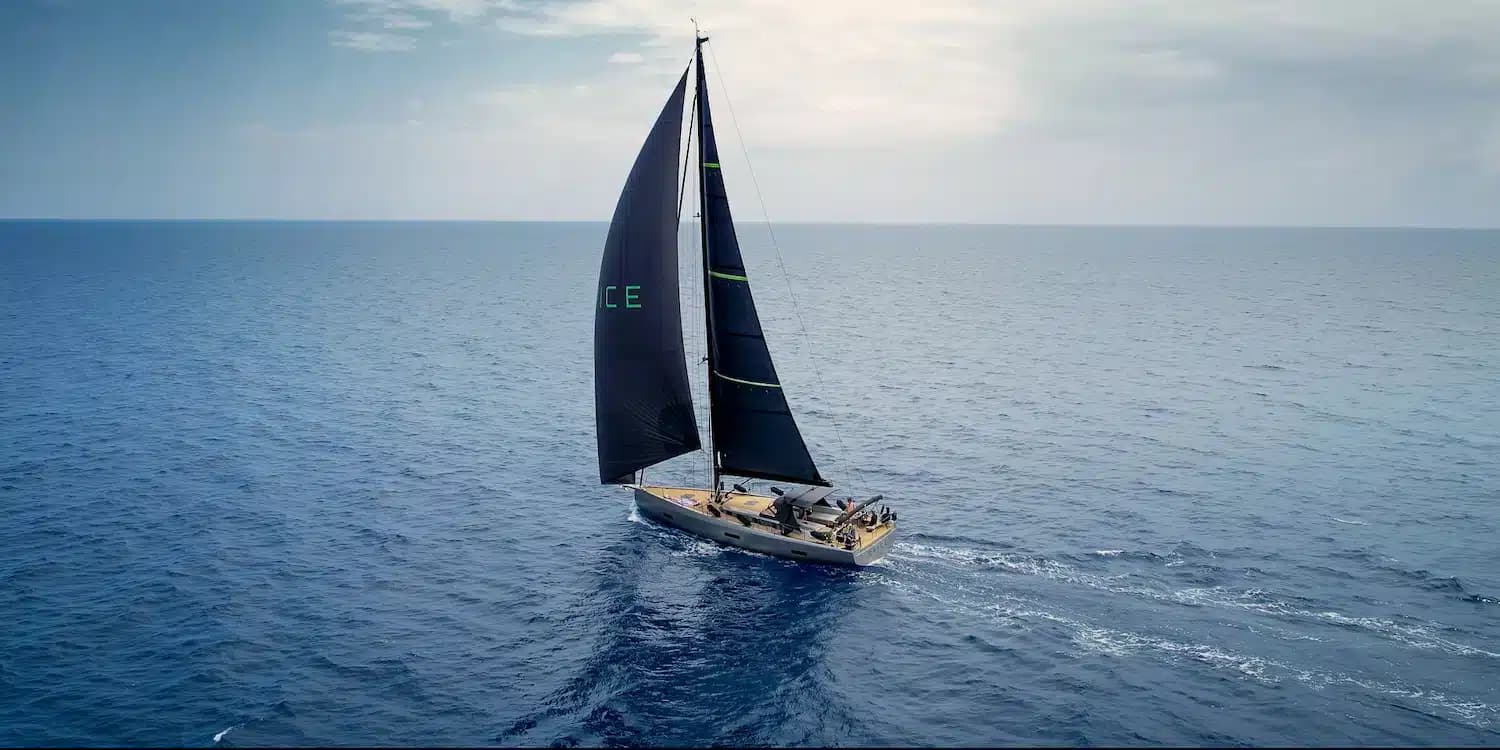
Shipping finished hulls from Salvirola to global marinas requires modular logistics: oversized loads moved by heavy‑lift trucks, coordinated berth reservations in target ports, and customs clearance for composite materials and propulsion systems destined for markets such as Mexico, Brazil, Japan and Hong Kong.
From a single refit to a full shipyard: ICE Yachts' origin story
The genesis of ICE YACHTS began when founder Marco Malgara sought a 60‑foot used yacht and found the Felci 61 unobtainable on the second‑hand market. Rather than accept the delay inherent in sourcing a preowned hull, Malgara partnered with CN Yacht 2000’s owner Umberto Felci to commission a bespoke Felci 61 modified roughly 60%, increasing freeboard by 9 centimetres and beam by 20 centimetres. That first bespoke project led directly to the birth of a new shipyard bearing an emphasis on both refinement and practical sailing performance.
How practical changes became a brand identity
Those seemingly small modifications were deliberate operational choices: a higher freeboard for improved seakeeping, a wider beam for interior volume and liveability, and a retained focus on sail handling. The evolution from a single custom project to a production shipyard reflects a supply‑chain decision pattern—investing in tooling, vendor relationships, and repeatable production processes that allowed ICE Yachts to scale while preserving performance.
📚 You may also like
Design philosophy: tested at sea, refined in production
ICE YACHTS operates on a clear practical credo: designers must be sailors. Prototypes and systems are trialled in active cruising and racing conditions year‑round; feedback drives iterative improvements before any item enters series production. This process reduces post‑delivery service demands and strengthens resale values on the brokerage market.
Onboard innovations driven by real use
Several innovations have emerged directly from onboard experience and logistic practicality:
- Electric mainsail trimming systems for reduced crew workload during coastal passages and short‑handed cruising.
- Anti‑skid materials and integrated ladders in anchor lockers to simplify handling during anchoring operations.
- Illuminated bow rollers to assist night mooring and chain handling in tight marina berths.
- Strategically placed structural water tanks beneath soleboards to free interior volume while maintaining trim and ballast efficiency.
Practical benefits for owners and charter operators
These refinements translate into concrete advantages for charter fleets and private owners: lower operational fatigue for short‑handed crews, simplified maintenance cycles for brokers, and improved client satisfaction on day charters and weeklong rentals. For companies managing yacht handovers and marina operations, predictability in handling and servicing reduces turnaround time between charters.
The fleet: models that bridge cruising and racing
ICE Yachts’ lineup ranges from cruiser‑racers like the ICE 52—a 50‑footer proven in competitive events such as Palermo–Montecarlo—to the flagship ICE 80, which combines voluminous interiors with high performance and has been campaigned in collaboration with professional teams such as the Fiamme Gialle Olympic squad. The upcoming ICE 56 exemplifies the shipyard’s response to market demand for 60‑foot interior space in a 56‑foot hull, designed to be easily handled without permanent crew.
| Model | Length | Primary use | Notable features |
|---|---|---|---|
| ICE 52 | 50 ft | Cruiser‑Racer | Competitive performance, offshore race wins |
| ICE 56 | 56 ft | Family cruising / short‑handed | Large beam, optimized interiors, water tanks under floor |
| ICE 66 | 66 ft | Luxury cruising / performance | Balance of comfort and race capability |
| ICE 80 | 80 ft | Flagship / professional racing collaboration | High volume, race‑grade systems |
Racing DNA and brokerage resilience
Malgara’s competitive background feeds into each project: hull forms, deck ergonomics and rig layouts are conceived to be competitive yet manageable for cruising owners. This duality supports strong residual values in the brokerage market—owners trading up rather than selling out—helping ICE models hold value that benefits dealers, brokers and charter managers alike.
International demand, production logistics, and future lines
Global sales footprints—clients in Central and South America, Asia and beyond—mean ICE’s production logistics must manage international shipping, compliance with local flag and safety regulations, plus the after‑sales network for spare parts and warranty service. The brand’s plan to launch high‑performance sailing catamarans underscores an R&D strategy that combines structural composites expertise with new form factors geared toward speed and livability.
GetBoat always keeps an eye on news related to sailing and seaside vacations, as we truly understand what it means to enjoy great leisure and love the ocean. The GetBoat service values freedom, energy, and the ability to choose your own course; it places no limits on a good life, allowing clients to find a vessel that suits their preferences, budget, and taste.
Why ICE Yachts matters to charter and rental markets
ICE’s emphasis on easy sail handling, practical systems and optimized interiors makes its models attractive to charter operators who need reliable, low‑maintenance boats with guest‑friendly layouts. For renters seeking a balance between spirited sailing and comfortable harbor life, an ICE yacht can be a versatile option whether for day cruising, weeklong charters, or longer blue‑water passages.
Forecasting impact on the tourism and travel map: the shipyard’s developments are regionally significant, strengthening charter fleets and premium yacht availability in established yachting regions. Globally, the effect is incremental rather than disruptive, but relevant to owners and charter companies seeking modern, dual‑purpose yachts. However, it remains important to the customer, as GetBoat aims to stay abreast of all developments and keep pace with the changing world. If you are planning your next trip to the seaside, consider the convenience and reliability of GetBoat.
Highlights: ICE Yachts illustrates how focused design choices—from deck hardware to interior tank placement—affect cruising comfort, racing potential and resale value. Experiencing a new location is always a multifaceted process, where one learns about the culture, nature, the indescribable palette of local colors its rhythm of life and also the unique aspects of the service. If you are planning your next trip to the sea, you should definitely consider renting a boat (boat rentals, rent a boat, rent a yacht), as each inlet, bay, and lagoon is unique and tells you about the region just as much as the local cuisine, architecture, and language GetBoat.com
Practical takeaways for charter planners and sailors
- Prioritize boats with proven ease of handling when planning short‑crew charters.
- Evaluate resale and brokerage strength when selecting long‑term fleet investments.
- Consider interior layout efficiency (e.g., underfloor tanks) to maximize guest comfort without sacrificing performance.
Summary: ICE Yachts, guided by Marco Malgara’s hands‑on sailing approach, marries innovation, comfort and performance in models from the ICE 52 to the ICE 80 and upcoming high‑performance catamarans. The shipyard’s logistics and production choices support international sales and charter potential, delivering boats that appeal to both racers and charter guests. For travelers and fleet managers alike, platforms like GetBoat.com offer transparent listings and tools to compare yachts, view make and model details, ratings and availability worldwide—helping book or buy the right yacht, charter or boat for any destination. Set your course.


