How to Legally Drive a Boat in Your State - Essential Tips and Requirements
Alexandra

When it comes to boating, understanding the legal requirements to operate a vessel in your state is crucial. Before you head out on the water, research the specific laws that govern boating activities in your location. Each state has its own regulations concerning motorized boats, size restrictions, and the necessary documentation. Knowing the legal framework can help you avoid accidents and ensure that you enjoy the safest boating experience possible.
One of the main things you need to plan for is obtaining valid driver certifications. Many states require boaters to complete courses on boating safety, which cover everything from swimming practices to understanding the functionality of different vessels. This training not only enhances your knowledge but also prepares you for the nuances of navigating various waterways. If you're considering renting a boat, be sure to check whether your rental company demands a specific certification, as this is often a state-specific requirement.
Additionally, it's important to keep in mind that some states have stricter rules than others. For instance, territories that fall under national coast guidelines may require additional permits or registration to operate larger boats. Always ensure that your documents are up to date to avoid any issues when you plan to hit the water. Remember, the more informed you are about your state's requirements, the better equipped you'll be to enjoy your boating activities. In essence, knowing the legal landscape is the first step towards making your nautical adventures smooth and enjoyable.
📚 You may also like
Understanding Legal Requirements for Boat Operation
When operating a boat, it is essential to understand the legal requirements that vary by state. Each state has its own rules regarding licensing, training, and documentation needed to legally operate vessels. Often, specific certification, such as NASBLA-approved courses, is required to ensure that boat operators are informed about safe practices and local regulations. This training is particularly important for larger boats and sailboats, which may have additional operational guidelines. Ensuring all necessary documents, including proof of ownership and registration, are on board will protect you against potential legal issues.
In many situations, understanding the requirements for safe operations is crucial. For instance, when towing swimmers or other vessels, operators must keep a close eye on the number of individuals being towed as well as their safety. Local laws often dictate the types of lights that must be functional during different times of the day, especially after dark. Additionally, certain rules apply to children on board, especially regarding life jackets and other safety measures. Each requirement is put in place to protect everyone involved and ensure a safe, relaxing experience on the water.
Regardless of location, getting familiar with the regulations that govern boat operation can lead to a more enjoyable experience. Many states allow for temporary permits, especially for visiting boaters, but operating without the required certification is not possible. Always verify current laws and keep your education up to date, as regulations can change. Whether you are going out for a weekend of boating or making a living through commercial operations, knowing the laws applicable to your type of boat will safeguard both you and your fellow passengers.
Age Restrictions and Licensing Requirements
Boating regulations vary significantly from state to state, particularly concerning age restrictions and licensing requirements. In many areas, those operating a boat need to be at least 12 years old, while others may impose a limit of 16 or 18. Understanding these age limits is crucial for ensuring compliance and safe water operations.
Each state often requires boat operators to complete a NASBLA-approved boating safety course before they can legally operate certain types of vessels. This requirement is especially important for younger boaters, as it helps them recognize potential safety issues and equips them with knowledge to handle equipment safely. Additionally, a test may be needed to pass before receiving a boating license.
While many teenaged boaters may feel confident on the water, operating a boat can be very different from using personal watercraft, skis, or small sailboats. Something that may seem trivial, such as knowing the right-of-way rules, can be the difference between safe operation and accidents that lead to injuries. This factor makes it necessary for young operators to have proper training.
In contrast to older adults, children and teens may need supervising adults on board if they are under a specified age. These regulations help ensure that inexperienced boaters keep safe while learning. Furthermore, local authorities may have different provisions, so it's wise to check the specific laws relevant to your area.
Failing to adhere to these requirements can result in legal fines and, in some cases, the suspension of boating privileges. It's crucial not to ignore these laws and to actively ensure that all equipment, including life jackets, is appropriately used and available on board. This diligence can significantly contribute to keeping everyone safe while on the water.
To summarize, taking the time to understand age restrictions and licensing requirements is beneficial for safe boating operations. Whether you're a seasoned boater or new to the activity, know the guidelines that apply in your state. This knowledge helps you not only stay legal but also ensures that you and your passengers can enjoy boating safely and responsibly.
State-Specific Boating Regulations
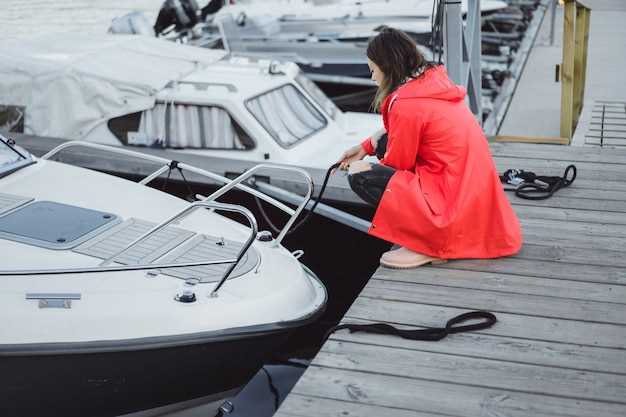
Each state has its own specific boating regulations that dictate how to legally operate a boat. These rules may include varying requirements for life jackets, operator training, and licensing, which are essential for safely enjoying water activities. For example, while some states may require everyone on board to wear a NASBLA-approved jacket, others might only impose that requirement for certain types of vessels or during specific conditions. It's crucial to keep an eye on these local laws as they often change, especially when visiting new lakes or areas. For rental boats, additional guidelines may apply, potentially increasing the minimum age or requiring proof of swimming ability and safety training.
When researching state regulations, it's important to understand the common issues that can arise while boating, such as right-of-way rules and safety limits designed to protect swimmers and boaters alike. Each state often designates fines for non-compliance, which can vary significantly based on the severity of the infraction. Legal requirements also extend to personal watercraft usage, chartering commercial boats, or any activities that may impact public safety. Therefore, obtaining the pertinent information ahead of time can help avert any complications during your time on the water.
| State | Life Jacket Requirement | Minimum Age for Operators | Training Requirement |
|---|---|---|---|
| California | Everyone must wear | 16 (with restrictions) | Boat Safety Certificate |
| Florida | Under 6 must wear | 14 (with restrictions) | Approved Boating Course |
| Texas | Under 13 must wear | 13 (with restrictions) | No formal requirement |