Coastal Hopping to Holy Island by Trailer-Sailer
Alexandra
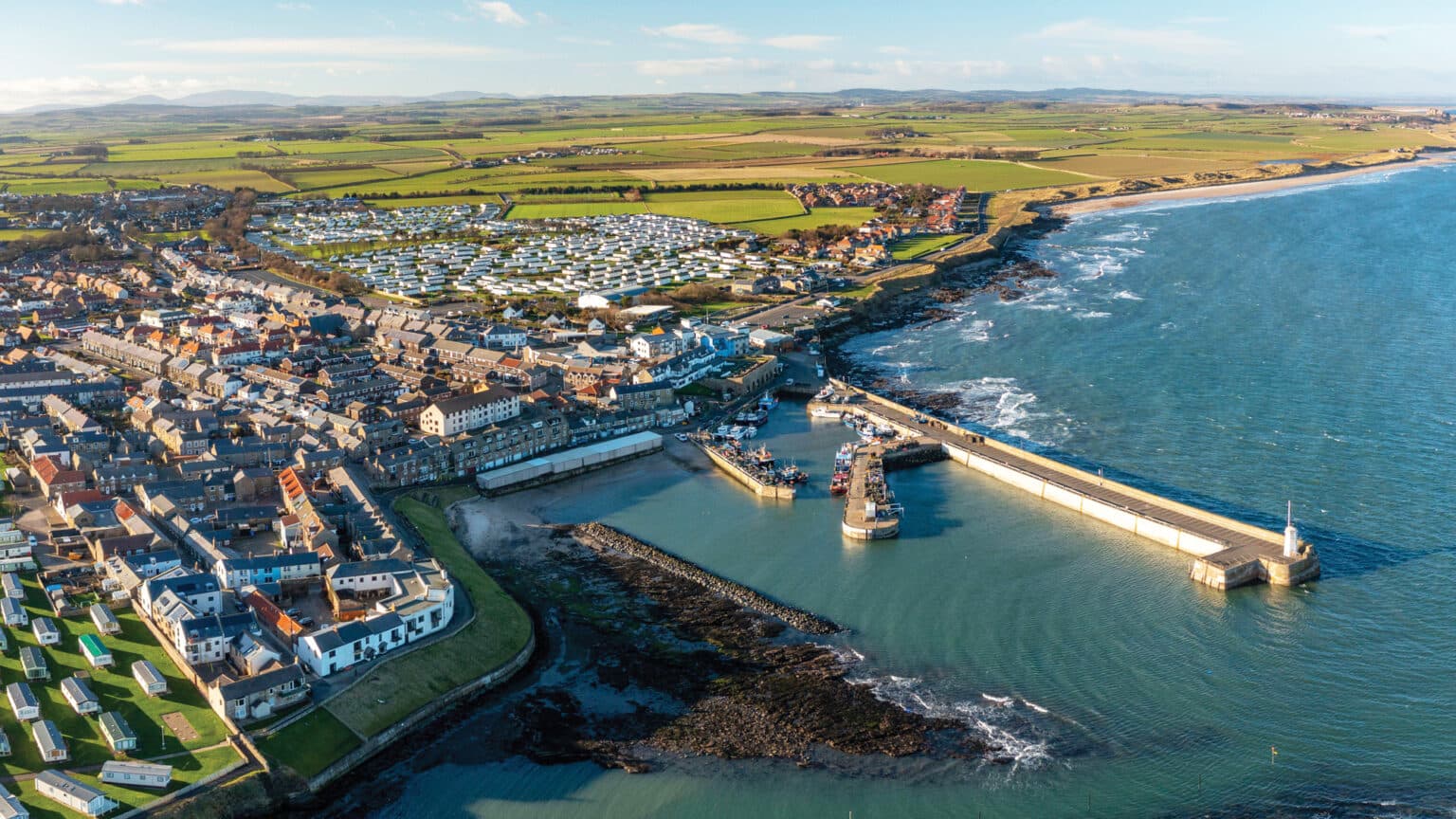
The inner harbour at Holy Island (Lindisfarne) fully dries at low tides, so vessels planning to stay must time arrivals to flood periods or arrange pontoon access via the North Sunderland harbour master; anchoring in the outer harbour is feasible but requires caution because the tidal stream can be strong and the approach navigation becomes tricky in the last two miles.
Harbour-by-harbour practical notes
Trailer-sailers and small cruisers benefit from concise, local intelligence when plotting a coastal circuit between Blyth and Fife Ness. The following port notes condense the operational constraints and visitor conveniences that determine whether a short stop becomes an overnight opportunity.
Holy Island (Lindisfarne)
- Drying area: the harbour mudflats expose at low water; staying afloat inside the inner harbour is not guaranteed.
- Inner pontoon: access often requires coordination with North Sunderland harbour master for afloat berthing during low water windows.
- Outer harbour anchoring: permitted but subject to strong tidal flows; ensure good scope and monitor set.
- Navigation: the channel in the final approach is narrow and requires accurate tidal planning and up-to-date charts.
- Local insight: island life and seasonal rhythms can be explored ashore; reading local fiction such as LJ Ross’s "Holy Island" gives cultural context though navigation decisions must rely on current pilotage information.
Berwick-upon-Tweed
- England’s most northerly harbour with occasional large-vessel traffic.
- Helpful harbour master and dependable facilities make it a reliable stop for trailer-sailers needing services or a safe berth.
- Pontoon moorings here do not dry out, removing the need for strict tidal timing.
Eyemouth
- Visitors use an alongside pontoon that remains afloat at low water.
- Entrance is narrow and steep-sided, with limited sightlines—use VHF to radio the harbour master for entry or exit permission.
- Expect activity from wind farm service vessels; plan approaches when traffic density is lower.
Dunbar
- Attractive harbour backed by historic ruins; local promenades and coastal paths make it popular ashore.
- Prominent rocks mark the approaches—green navigation lights assist but keep to recommended channels.
- Visitors' berth typically sits to the immediate right after the entrance; local signage and harbour staff give the best berth allocation.
Quick reference table: port features and operational highlights
| Port | Drying | Pontoon | Key consideration |
|---|---|---|---|
| Holy Island | Yes (inner) | By arrangement | Tidal stream strong; careful approach |
| Berwick-upon-Tweed | No | Yes | Good facilities; harbour master assistance |
| Eyemouth | No | Yes (alongside) | Narrow entrance; radio HM |
| Dunbar | Minor | Visitors' berth | Watch for rocks; follow lights |
Navigational resources and pilotage
For safe passage and precise planning, use the Admiralty Small Craft Chart 5615 (Whitby to Edinburgh) and associated chartlets:
📚 You may also like
- 2: Blyth to Berwick-upon-Tweed
- 3: Saint Abb’s Head to Buddon Ness
- 7: Amble to Farne Islands
- 8A: Holy Island to Saint Abb’s Head
- 9: Saint Abb’s Head to Fife Ness
- 22A: Farne Islands to Holy Island
Trusted pilot guides include the Forth Yacht Clubs Association volume by Andy Carnduff and Imray’s Cooks Country (Spurn Head to St Abbs) for local shoal and approach details. Carry the latest tidal stream tables and confirm any temporary local notices to mariners before sailing.
Pilot and personal experience
Frank Sibly, a long-term trailer-sailer practitioner, brings an instructive example: after 24 years of trailer-sailing and an active retirement running a small arable farm, he aims for three coastal cruises each year during fair weather and long daylight. This pattern illustrates a pragmatic cruising rhythm for those balancing land commitments with a desire to explore coastal destinations by small yacht or trailerable vessel.
How to get started with a trailer-sailer: Everything you need to know
Trailer-sailers offer a practical mix of mobility and modest comfort. For newcomers, key considerations include launching and recovery logistics at local ramps, towing capacity and legal requirements for your vehicle, and the selection of a boat with a keel or centreboard suited to drying harbours. A trailer-sailer can allow you to access secluded anchorages and slip between short legs without the need for fixed marina berths, making them attractive for couples or small crews who enjoy exploratory coastal hopping.
Practical tips for trailer-sailer coastal circuits
- Plan by tide: where harbours dry, schedule arrival on the flood and departure before the next ebb.
- Coordinate with harbour masters: many inner pontoons require prior arrangement—use their local knowledge for safest berthing.
- Prepare for set: anchor scopes and fenders will be tested in strong tidal streams around Holy Island.
- Keep charts current: chartlets and local pilot guides reduce uncertainty in the final approach miles.
GetBoat always keeps an eye on news related to sailing and seaside vacations because the company understands what it means to enjoy great leisure and love the ocean. The GetBoat service values freedom, energy, and the ability to choose your own course; it places no limits on a good life, allowing clients to find a vessel that suits their preferences, budget, and taste.
The highlights of this cruising option are clear: a trailer-sailer itinerary around Holy Island and neighbouring ports offers intimacy with tidal dynamics, direct access to unique coastal scenery, and practical flexibility for short hops between marinas, harbours, and anchorages. Yet experiencing a new location is always multifaceted — one learns from the local culture, the palette of nature, the rhythm of life ashore, and the unique service touchpoints that make each stop memorable; if you are planning your next trip to the sea, you should definitely consider renting a boat (boat rentals, rent a boat, rent a yacht), as each inlet, bay, and lagoon is unique and tells you about the region just as much as the local cuisine, architecture, and language GetBoat.com
Option 3 — Focus on Planning:Forecast: this guidance has regional significance for northern England and southeastern Scotland coastal tourism rather than a major global shift; however, compiled, reliable local intelligence helps shape safer, more confident itineraries for charterers and independent skippers alike. Start planning your next seaside adventure and make sure to book the best boat and yacht rentals with GetBoat before the opportunity sails away!
Summary: coastal hopping to Holy Island in a trailer-sailer demands careful tidal planning, liaison with harbour masters, up-to-date charts and pilot guides, and appreciation of localized navigation challenges. The approach benefits those seeking flexible cruising and ashore exploration: a small yacht or trailer-sailer can offer direct access to beaches, coves and marinas while keeping costs and logistical overheads lower than larger charters or superyacht operations. The platform supports charter and sale discovery, transparent listings with make, model and ratings, and clear options for captained or bareboat hire — all designed to help you find the right yacht, boat or sailboat for your beach days, lake cruises, fishing trips, gulf runs, or ocean passages. Whether you choose a small trailerable cruiser, a larger motor yacht, or a sailboat to test your seamanship, prioritise safety, local knowledge and the right gear; with the right planning you can enjoy marinas, clearwater anchorages, yachting activities and unforgettable boating experiences under sun and sea.


