Reclaiming Historic Sail Cloth Techniques
Alexandra
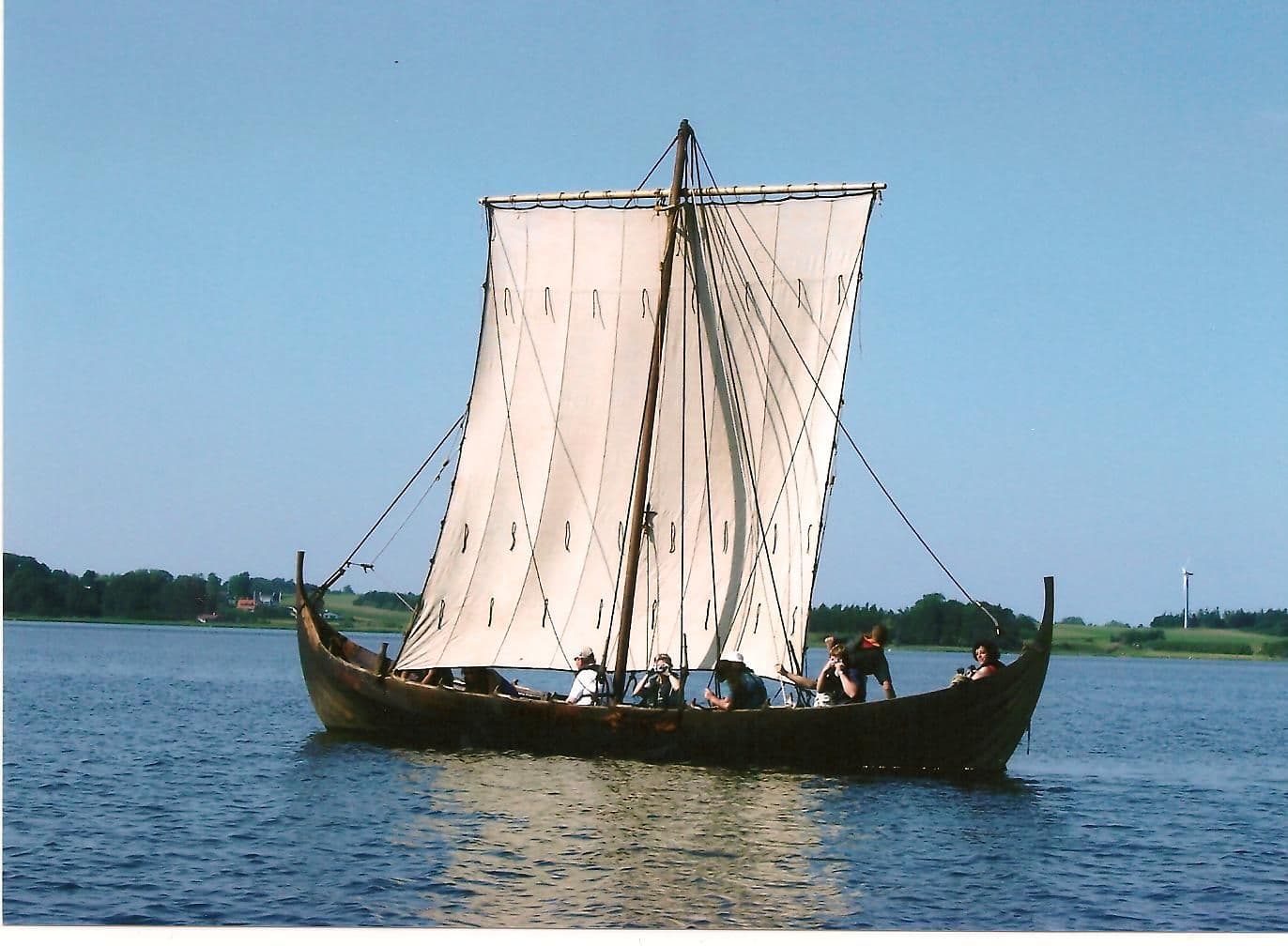
Historic sail production depends on tightly coordinated regional supply chains: sourcing flax and hemp, scheduling loom time, and arranging seasonal drying and storage to prevent mildew — factors that will shape the two-day symposium at The Weaver’s Croft in Marshfield, Vermont on July 25–26, 2026.
Event overview and logistical frame
The Weaver’s Croft, a center for historic weaving and textile research, will host a hybrid symposium that brings together practitioners, academics, and maritime hobbyists to examine sails made by hand across eras and geographies. Presentations will address not only the cultural history of sailcloth but the practicalities of production: raw material procurement, small-batch spinning and weaving, and the maintenance of cordage and sewn seams under marine conditions.
Organizers anticipate sessions on the supply-chain realities of traditional sailmaking — from fiber cultivation and retting to the transportation of finished canvas — and how those chains differ between the North Atlantic, Scandinavian, and Mediterranean contexts. The program will also include operational demonstrations that require careful scheduling of materials, workspaces, and safety oversight for wet and chemical treatments used in historical textile work.
📚 You may also like
Why this matters for sailing and charter operations
Understanding historic sail fabrics and construction has practical implications for modern sailing communities, charter operators, and restoration projects. Traditional sail materials and hand-sewn techniques influence weight, stretch characteristics, and longevity — factors that affect vessel performance, crew training, and maintenance costs for yachts and sea-going craft. For charter captains managing heritage charters or experiential voyages, knowledge of authentic sail handling and repair increases the quality of guest experience and safety.
Sessions and themes
- Era-focused case studies — Viking square sails, New England colonial craft, Irish fishing sails.
- Material science — properties of flax, hemp, wool and mixed weaves for marine use.
- Tools and techniques — traditional looms, hand-splicing of cordage, needlework for heavy canvas.
- Conservation and repair — storage, drying, mildew treatment, and modern archival methods.
- Hands-on workshops — weaving demonstrations, small sail construction, and cordage making.
Program snapshot
| Day | Focus | Representative Activities |
|---|---|---|
| July 25 | Historic techniques | Lectures, Viking and colonial sail reconstructions, panel discussions |
| July 26 | Practical workshops | Hands-on weaving, cordage demos, sail maintenance clinics |
Submission and participation details
Proposals are being solicited for papers, roundtables, demonstrations, and hands-on workshops. Interested contributors should submit a short proposal of 100–200 words to [email protected] by April 1, 2026. Accepted presenters will work with organizers to finalize session formats; the event will be available both in-person and virtually to accommodate international participants.
Practicalities for attendees
- Venue: The Weaver’s Croft, Marshfield, Vermont — research facilities and workshop spaces on-site.
- Hybrid access: live-streamed panels and recorded demonstrations for remote attendees.
- Materials: some workshops will provide materials; others will require participants to bring specific tools or fibers.
- Safety and conservation: protocols for handling historic textiles and natural fibers will be enforced.
Connecting history, craft, and modern boating
Historic sailcloth study serves both preservation and active-sailing communities. For those renting a sailboat or organizing a charter, the look and feel of traditional sails can be a major draw for niche tourism: heritage charters, reenactment voyages, and specialty photo cruises. Knowledge from the symposium can inform restoration of classic rigs on yachts and smaller charter vessels, influence choices about synthetic vs. natural fibers, and improve on-board repair practices for skippers and captains.
Practical examples include: choosing a heavier handwoven canvas for traditional schooners to preserve period handling characteristics, training charter crews in hand-sewing repairs to manage wear on long voyages, and advising owners considering an authentic refit versus modern sail technology. These changes ripple to maintenance budgets, refit timelines, and the types of experiences offered by marinas and charter companies.
Historical context and interesting facts
Sailmaking by hand spans millennia. The Viking square sail, for instance, combined coarse linen with woolen reinforcements at stress points; New England colonists adapted sail shapes for local wind patterns and cargo needs; Irish fishing boats evolved sails suited to coastal gales and inshore maneuvering. These variations reflect environmental constraints, available fiber crops, and cultural techniques — insights that resonate for anyone interested in yachting, boating, or maritime heritage.
Photographer credit for related imagery: Rick Bannerot, Ontheflyphoto.net. Organizers invite attendees to visit weaverscroft.net for more site information and research resources.
Why GetBoat follows this closely
GetBoat always keeps an eye on news related to sailing and seaside vacations, as we truly understand what it means to enjoy great leisure and love the ocean. The platform values freedom, energy, and the ability to choose your own course, placing no limits on a good life — helping clients find a vessel to match their preferences, budget, and taste, with clear details on make, model, and ratings.
Call to action and outlook (Planning)
The symposium is niche and unlikely to shift the global tourism map dramatically, but it reinforces trends in experiential and heritage tourism that matter to a growing segment of travelers. Start planning your next seaside adventure and make sure to book the best boat and yacht rentals with GetBoat before the opportunity sails away!
Key takeaways: the Marshfield symposium spotlights living traditions of sailmaking, highlights supply-chain and conservation challenges for natural fibers, and offers practical workshops that can directly inform charter operations, restoration projects, and the guest experience on heritage voyages.
The topic is important and interesting because it ties material culture to maritime practice; experiencing a new location is always a multifaceted process where one learns about the culture, nature, the indescribable palette of local colors, its rhythm of life, and also the unique aspects of service. If you are planning your next trip to the sea, you should definitely consider renting a boat (boat rentals, rent a boat, rent a yacht), as each inlet, bay, and lagoon is unique and tells you about the region just as much as the local cuisine, architecture, and language GetBoat.com
In summary, the July symposium at The Weaver’s Croft offers a focused look at historic sailcloth that bridges scholarship and hands-on craft. For sailors, charter operators, and restoration specialists, the event promises practical techniques for sail construction and care that influence performance and authenticity. Whether outfitting a classic schooner, booking a charter, or seeking a unique yachting activity, these insights enhance choices around yacht refits, charter offerings, and maintenance for boats operating on the sea, ocean, gulf, lake, or marina. From sail selection to on-board repair, the knowledge shared will inform captains and crews, support safer boating, and enrich guest experiences in activities ranging from fishing to luxury superyacht charters. For transparent, global options in booking or sale of vessels — from a small boat to a superyacht — consider the convenience of platforms that expose make, model, ratings, and availability; Set your course.


