Exploring Traditional Pearling Era Life and Architecture at Bin Matar House in Muharraq
Alexandra
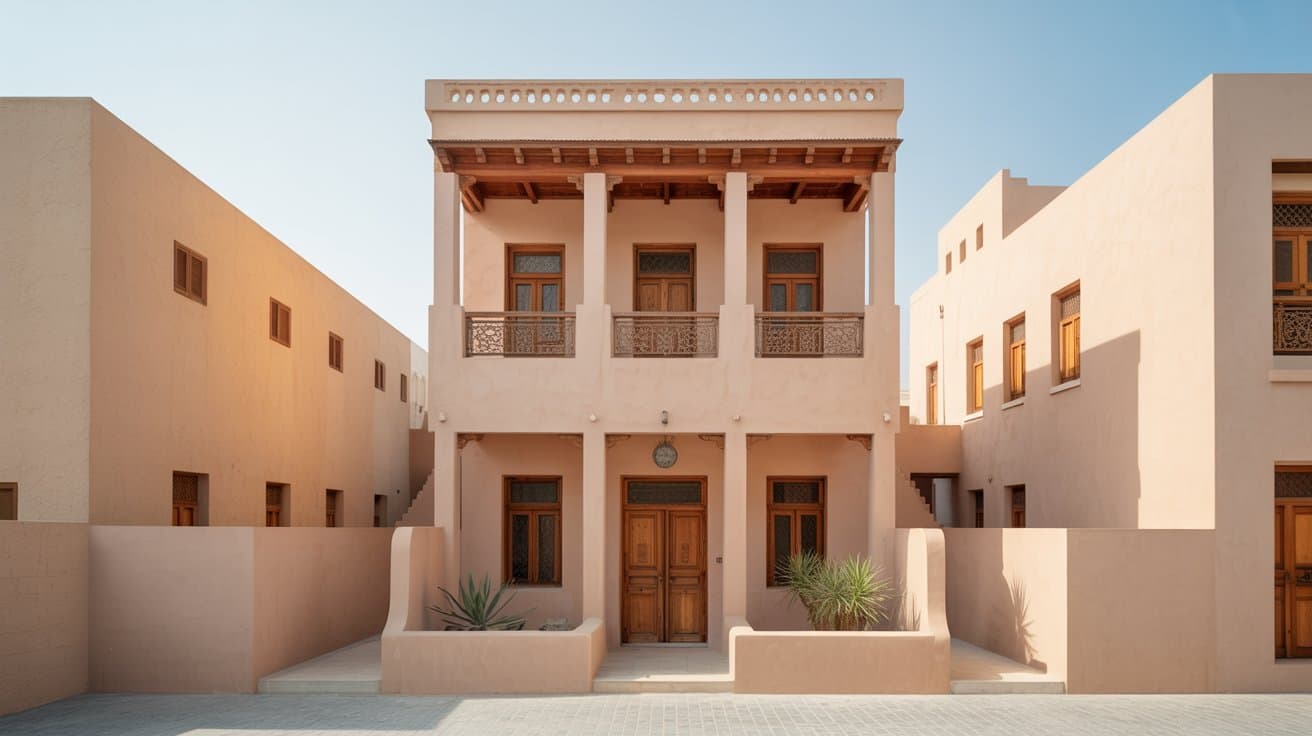
Unveiling the Historic Bin Matar House in Muharraq
The island of Muharraq, part of Bahrain’s archipelago in the Arabian Gulf, holds a treasure trove of culture and history, exemplified by the renowned Bin Matar House. Nestled in the heart of this island city, the house stands as a unique gateway into traditional architecture and the pearling-era lifestyle that shaped Bahrain’s maritime heritage.
Bin Matar House offers a vivid glimpse of Bahrain’s past, showcasing the craftsmanship and domestic living conditions during a time when pearling was the lifeblood of the region. This historic home, amidst the maze of narrow streets and bustling souks of Muharraq, speaks to the pearl divers and their families who once thrived here.
The Architectural Essence of Bin Matar House
Characterized by its traditional Gulf-style design, Bin Matar House features elements that were suited to the hot, arid climate of the area. Thick stone walls, wind towers for natural cooling, and inner courtyards demonstrate a blend of practical and aesthetic considerations. The structure not only served as a family residence but also as a hub for social and commercial activities linked to pearling.
📚 You may also like
Pearling: The Heartbeat of Muharraq
Once an abundant economic activity in Bahrain, pearling was more than just a trade — it formed the social fabric of communities like Muharraq. At the dawn of the 20th century, this island was home to around 20,000 residents, many of whom were directly connected to the pearl diving industry. Nearly 300 pearling boats dotted its harbor, a testament to the scale of activity and the industry’s importance.
Historical Context: Muharraq and Bahrain’s Maritime Legacy
Muharraq Island, the third largest in Bahrain’s collection of 33 islands, has played a pivotal role in the region’s development. The Bahrain archipelago has a long-standing history as a natural commercial hub in the Arabian Gulf — once known to ancient civilizations such as the Sumerians as Dilmun. The sheltered anchorages and abundant sea resources made it an ideal center of trade and pearling throughout centuries.
Over the years, Bahrain's strategic location along the Arabian Gulf trading routes enhanced its significance. From the early 1600s under Portuguese and Persian control, to the late 18th century rule by the Al-Khalifa family, Bahrain evolved while preserving its deep maritime roots.
Muharraq’s Socio-Cultural Landscape
The urban design of Muharraq still reflects its historical character, with labyrinthine streets, traditional marketplaces, and cultural landmarks such as forts and old houses under restoration. The island’s maritime heritage permeates its identity, reminding visitors of a time when the economy depended on the sea and the exquisite pearl harvested from its depths.
Essential Facts About Muharraq:
| Item | Data |
|---|---|
| Population (circa 1988) | Approximately 78,000 residents |
| Geography | 3rd largest Bahraini island, around 6.7 square miles |
| Pearling Boats (early 1900s) | Nearly 300 boats |
| Traditional Economy | Pearling and maritime trade |
| Key Infrastructure | Bahrain International Airport, connected by causeway to Manama |
Linking Past and Present: Tourism and Maritime Activities in Bahrain
With modern strides in diversifying its economy, Bahrain has embraced tourism, promoting its cultural heritage sites, including the pearling legacy showcased in Muharraq. Events, museums, and festivals highlighting Bahrain's cultural treasures attract visitors keen to experience the historical maritime life.
For sailing enthusiasts and those interested in maritime experiences, Bahrain’s extensive coastline, clearwaters, and marinas offer exciting yachting and boating opportunities. Muharraq and its surrounding areas provide ideal settings for ocean adventures, bringing together history and leisure in one destination.
The Future of Bahrain’s Tourism and Maritime Appeal
Looking ahead, the intersection of cultural heritage and modern recreation such as sailing and yacht chartering will likely grow in appeal. Bahrain’s continued investments in hospitality infrastructure aim to enhance the visitor experience, merging the charm of traditional life with contemporary water-based activities.
Tourism and Maritime Development Considerations:
- Preservation of traditional architecture and heritage sites
- Promotion of sustainable tourism respecting local culture and environment
- Enhancement of marina facilities and sailing infrastructure
- Engagement with international yacht charter markets to attract diverse visitors
Wrap-Up
Bin Matar House in Muharraq offers a rare window into Bahrain’s pearling-era heritage and traditional architecture. As part of a broader cultural fabric, Muharraq captures the maritime spirit that has defined Bahrain for centuries. This historical setting not only enriches cultural tourism but also complements the modern boating and yachting scene thriving along Bahrain’s shores.
For sailing aficionados eager to explore the Gulf’s rich history alongside vibrant water adventures, Bahrain provides both heritage and sunshine-filled opportunities. Discovering local museums and traditional neighborhoods adds depth to beachside leisure and luxury yacht charters.
For those interested in exploring Bahrain’s unique blend of culture, sea, and boating activities, GetBoat.com is an international marketplace specializing in renting sailing boats and yachts, catering to every taste and budget. Whether planning a leisurely cruise or an adventurous sail through the Gulf, GetBoat provides the ideal gateway to the treasures of the ocean near Muharraq and beyond.


