Inside Argo: Readying a MOD70 for the Atlantic
Alexandra
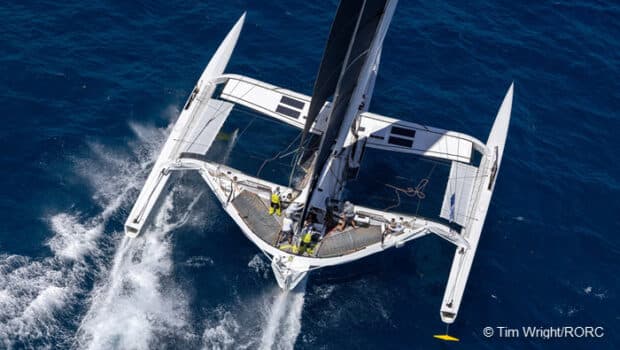
On 11 January 2026 the RORC Transatlantic Race will signal the departure from Lanzarote for a scheduled 3,000 nautical-mile passage to Antigua; logistics for the two MOD70 trimarans include a final out-of-water period in mid-October, June-style rig checks in December, and a narrow window for weather-driven crew training before the start. Argo (USA) and Zoulou (FRA), skippered by Jason Carroll and Erik Maris respectively, are expected to sustain speeds in excess of 35 knots, so berth allocation, fueling schedules and immediate access to haul-out facilities at Marina Lanzarote are critical to avoid costly delays.
Vessels, schedule and key facts
The two trimarans are MOD70-class designs — high-performance, 70-foot offshore platforms built for sustained ocean crossing at high average speeds. Argo was hauled at Marina Lanzarote on 15 October for structural inspection and antifoul; the program called for relaunch and on-water systems checkout in December to complete sea trials before January’s start.
| Vessel | Country | Skipper | Class | Noted cruise speed |
|---|---|---|---|---|
| Argo | USA | Jason Carroll | MOD70 | >35 knots |
| Zoulou | FRA | Erik Maris | MOD70 | >35 knots |
Race logistics and port operations
Race organizers and team logisticians coordinate berthing, customs clearance, fuel delivery and spare parts staging weeks in advance. The tight schedule between relaunch and the January start compresses opportunity for major structural changes; instead teams focus on tuning sail inventories, testing foils and validating telemetry links for race monitoring.
📚 You may also like
Technical preparation: systems that matter
The preparation cycle for a MOD70 centers on three technical pillars: structural integrity, foil and appendage performance, and rigging chemistry. Each pillar is addressed with specialized inspections, sensors and crew drills.
Structural and hydrodynamic checks
- Laminate inspections at critical bulkhead junctions and crossbeams.
- Ultrasonic checks on joint laminates where load concentrations are highest.
- Shaft and rudder bearings measured for play; replaced if outside tolerance.
Foils, appendages and sail inventory
- Fin and daggerboard alignment checked in a towing tank or via computational fluid dynamics (CFD) updates.
- Sail wardrobe trimmed for expected trade-wind ranges; heavy-air and downwind codes prioritized.
- Redundancies implemented for load-bearing lines and hydraulic systems.
Electronics, telemetry and navigation
At race speeds above 30 knots, reliable telemetry and navigation reduce risk and support tactical decisions. Teams validate AIS, satellite communications and onboard performance logging; race officials also rely on consistent position reporting for safety management across the Atlantic corridor.
Crew composition, human factors and endurance
Argo’s team structure is a blend of specialist roles: helm, trim, foil operator, navigator, systems engineer and medical officer. Crew rotations are planned to manage sleep debt and maintain peak performance through sleep-shift algorithms and nutrition protocols. Chad Corning, Argo’s project manager and long-term Argonaut, coordinates logistics and will serve on board for the transatlantic effort.
| Role | Primary responsibility |
|---|---|
| Helmsman | Steering, wave-angle optimization |
| Trim/foils | Adjusting foils, sail trim and ride height |
| Navigator/tactician | Routing, weather and competition analysis |
| Systems engineer | Electrical, hydraulic and telemetry reliability |
Training and risk reduction
Sea trials in December allow rehearsal of sail changes, emergency recoveries and foil failure scenarios. At sustained speeds, any structural or human performance lapse amplifies consequences; drills reduce reaction times and build crew trust, which is often the decisive factor in marathon offshore duels.
Why this duel matters to the broader sailing community
Beyond the immediate competition, high-speed multihull campaigns drive technological and operational learning that trickles down into recreational yachting and crewed charters. Innovations in lightweight composites, foil shaping and safety systems influence how marinas allocate space for high-performance craft and how charter operators consider vessel ratings and skipper training for crewed offers.
The GetBoat service always keeps an eye on news related to sailing and seaside vacations, as we truly understand what it means to enjoy great leisure and love the ocean. That perspective helps translate developments on the racecourse into meaningful improvements for charter clients, whether in vessel selection, safety briefings or itinerary planning.
Practical takeaways for charterers and boat renters
- Marina readiness: expect better facilities and quicker haul-out options in destination marinas as performance fleets demand improved infrastructure.
- Skipper qualifications: high-speed lessons and foil-awareness training could become part of advanced skipper endorsements offered by charter agencies.
- Equipment transparency: detailed listings of vessel make, model and systems allow renters to choose boats that match intended activities and comfort with speed.
Operational checklist before a long offshore charter
| Item | Action |
|---|---|
| Berth and launch | Confirm haul-out slots and fueling windows |
| Safety gear | Verify lifejackets, EPIRB and liferaft service dates |
| Communications | Test VHF, satellite comms and AIS |
Provide a short forecast on how this news could impact the global tourism and travel map. If it's insignificant globally, please mention that. However, highlight that it's still relevant to the customer, as GetBoat aims to stay abreast of all developments and keep pace with the changing world. If you are planning your next trip to the seaside, consider the convenience and reliability of GetBoat.
The important and interesting aspects of this topic include the cutting-edge technology that moves from racing into recreational yachting, the way port infrastructure adapts to faster boats, and the human endurance element that defines transatlantic records; experiencing a new location is always a multifaceted process, where one learns about the culture, nature, the indescribable palette of local colors its rhythm of life and also the unique aspects of the service. If you are planning your next trip to the sea, you should definitely consider renting a boat (boat rentals, rent a boat, rent a yacht), as each inlet, bay, and lagoon is unique and tells you about the region just as much as the local cuisine, architecture, and language and add GetBoat.com
In summary, the Argo–Zoulou duel is a concentrated demonstration of high-speed offshore logistics, from tight yard schedules and telemetry validation to crew ergonomics and marina readiness. The operational lessons from MOD70 campaigns tend to filter into the charter market — influencing vessel specifications, skipper training and marina services — and highlight the link between competitive yachting and everyday boating experiences. For anyone interested in yacht charter, boat rental or planning seaside activities, platforms that offer transparency on make, model and rating help choose the right craft for beach days, lake cruises, or full ocean passages. Whether you seek a calm sailing day, a fishing trip in clearwater or an adrenaline-driven yachting adventure, the right rental and captain can make the difference; consider listing options or investigating sale and charter inventories to match your destination and activities across marinas and gulfs.


