Laurens Last’s Plan to Rebuild Heesen
Alexandra
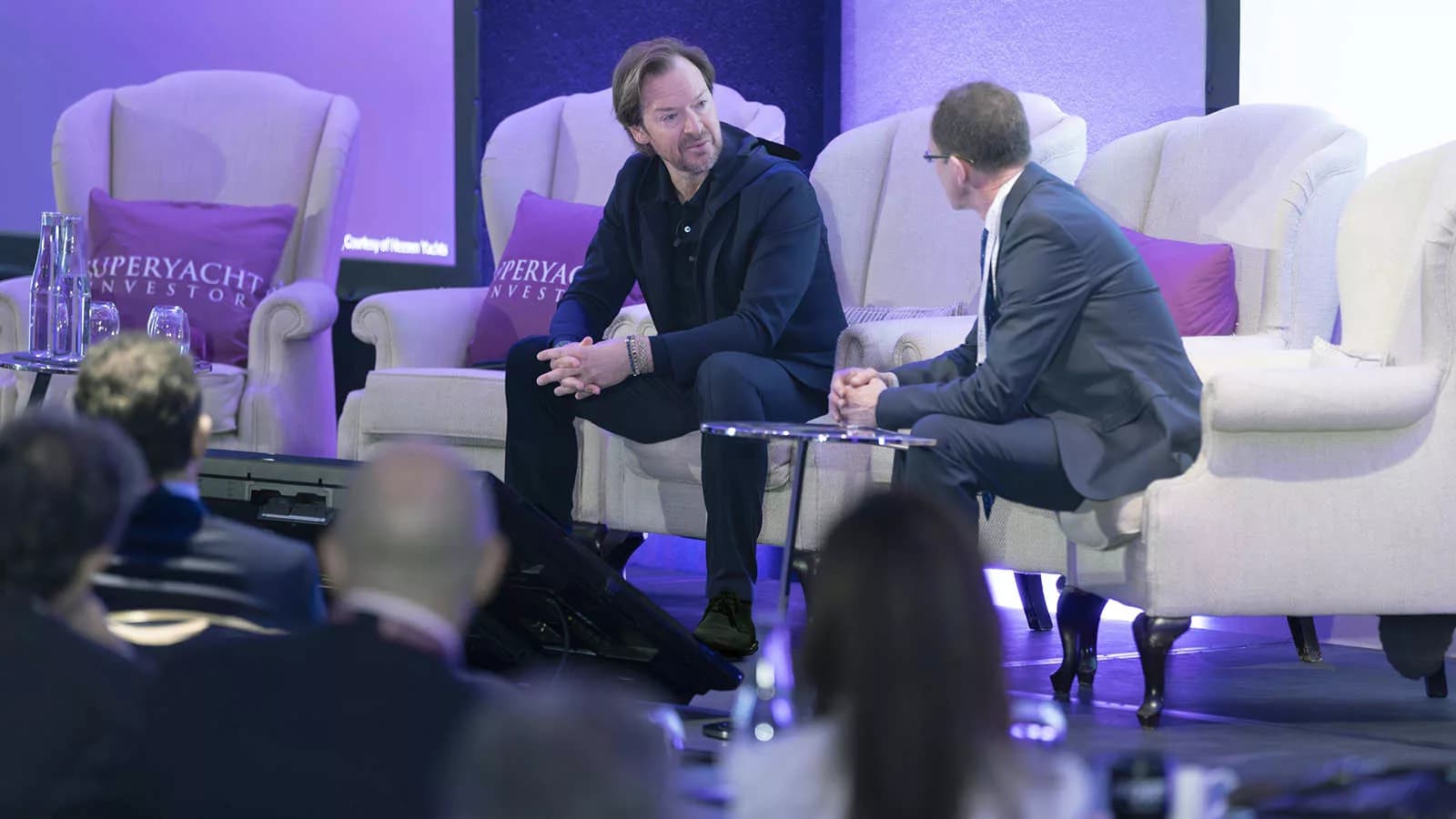
Heesen’s shipyard restructure produced an immediate €17 million reduction in running costs and a strategic reallocation of production capacity toward the 60–80m steel segment, while embedding real‑time telemetry and digital twins into vessel lifecycle management.
Operational changes driving the “New Heesen”
Since taking control of Heesen Yachts in April 2025, Laurens Last has prioritized industrial pragmatism over artisanal volume alone. The shipyard now combines lean manufacturing principles with retained in‑house craftsmanship. Key operational shifts include:
- Cost optimisation: a reported €17 million cut in annual running costs through process rationalisation and updated shopfloor workflows.
- Product mix pivot: a deliberate move toward larger steel platforms in the 60–80m range alongside continued spec builds for faster delivery.
- Digital integration: deployment of telemetry, AI analytics and digital twins for both design validation and after‑sales support.
How production and design are being reconciled
Heesen’s model emphasises early cross‑disciplinary collaboration: naval engineers and interior artisans now engage simultaneously from concept inception. By keeping the interior fit‑out expertise on site, the yard reduces handover friction and protects complex bespoke execution. The result is a process where technical integrity and aesthetic ambition advance in parallel rather than in sequence.
📚 You may also like
Owner-centric design as a logistical imperative
Design teams are being asked to understand not just the vessel’s systems, but the lived experience of owners and guests. Studies aboard current yachts examine boarding safety from tenders in swell, airflow patterns across flybridges, and realistic galley storage use. These observations inform engineering tolerances and equipment placement, reducing the need for costly post‑delivery modifications and improving the vessel’s operational availability—an important metric for charter operators and private owners alike.
Data, service and the economics of ownership
Last has accelerated Heesen’s adoption of telemetry and AI to create a comprehensive digital record for each yacht. These digital twins serve multiple functions:
- Real‑time monitoring to predict maintenance and reduce unscheduled downtime.
- Data‑driven after‑sales support to clarify total cost of ownership for clients.
- Design feedback loops that inform future hull forms and internal systems layout.
From a supply‑chain perspective, telemetry enables more accurate spare parts forecasting and tighter vendor coordination — reducing inventory carrying costs and shortening service response times in marinas worldwide.
Spec builds vs bespoke projects
Heesen retains its spec‑building capability, offering faster delivery timelines for clients who value speed to market. Simultaneously, the yard is scaling bespoke expertise for residence‑style explorers and contemporary entertaining platforms within the 60–80m category. This two‑track approach targets both yacht owners seeking rapid turnaround and clients requiring deeply customised superyacht solutions.
Table: Core initiatives and downstream effects
| Initiative | Immediate Impact | Relevance to Charter/Yachting Market |
|---|---|---|
| €17M cost reduction | Lower operating expenses, improved margins | Potentially lower sale prices or greater reinvestment into owner services |
| Digital twins & telemetry | Better reliability, predictive maintenance | Increased charter uptime; clearer OPEX for charter managers |
| Shift to 60–80m steel platforms | Expanded product range, new production workflows | Attracts superyacht charter markets and owner‑occupier residencies |
Implications for ports, marinas and support services
Larger yachts in the 60–80m band will influence berth allocation, shallow‑water access planning and marina support services. Port authorities and marina operators should anticipate demands for deeper draft berths, reinforced pontoons, larger bunkering facilities and enhanced provisioning logistics to service these increasingly common platforms.
Historical perspective and lineage
Heesen Yachts, founded in the Netherlands, has built its reputation on a combination of Dutch craftsmanship and performance engineering. Historically known for fast aluminium hulls and innovative hull forms, the yard developed a global presence by focusing on reliable seakeeping and high‑speed displacement concepts. Over decades, Heesen has balanced in‑house woodworking and joinery with naval architecture advances, delivering both spec models and customised commissions.
Laurens Last’s recent acquisition represents a continuation of that lineage: applying industrial systems thinking to a heritage yard to ensure competitiveness in an era of larger, more complex superyachts. By retaining skilled artisans while streamlining production, the yard aims to preserve brand DNA while scaling output and capability.
Forecast: what this means for international tourism and yachting
If Heesen succeeds in scaling its 60–80m production while keeping delivery times tight, several outcomes are likely for the international maritime tourism sector. First, a growth in availability of large, modern platforms could expand the charter market for high‑end travellers, enabling longer voyages and more sophisticated itineraries across the Mediterranean, Caribbean, and South Pacific. Second, improved after‑sales data and predictive maintenance should increase vessel uptime, making superyachts more attractive to charter brokers and operators. Finally, marinas and destination services will need to adapt—upgrading berths, provisioning, and crew support—to meet the operational profiles of these larger vessels.
Practical takeaways for prospective owners and charter operators
Prospective buyers and charter managers should prioritise three questions when evaluating Heesen platforms: How is the digital twin integrated into service contracts? What concessions between bespoke detailing and manufacturability were made? And how will larger steel platforms affect operational costs such as berthing, fuel and crew requirements?
In summary, Laurens Last’s direction for Heesen blends industrial efficiency with preserved craftsmanship, leverages digital telemetry for lifecycle value, and repositions the yard toward larger steel superyachts—moves that will reverberate through marinas, charter markets and yachting destinations.
The “New Heesen” outlook suggests more choice for clients seeking modern superyacht residence and charter options, and clearer data‑driven ownership economics for captains and managers. For those interested in yacht charter, boat rent, and marinas across sea and ocean destinations—from gulf inlets to clearwater bays—this evolution is likely to expand fleet options, influence vessel sale dynamics, and alter the profile of yachting activities, fishing excursions and luxury boating on lakes and coastal beaches. For bookings, charters and comparisons across yachts, superyacht or smaller sailing boats, GetBoat.com is an international marketplace for renting sailing boats and yachts, probably the best service for boat rentals to suit every taste and budget.


