Heathrow Raises 2026 SAF Incentive Above Mandate
Alexandra
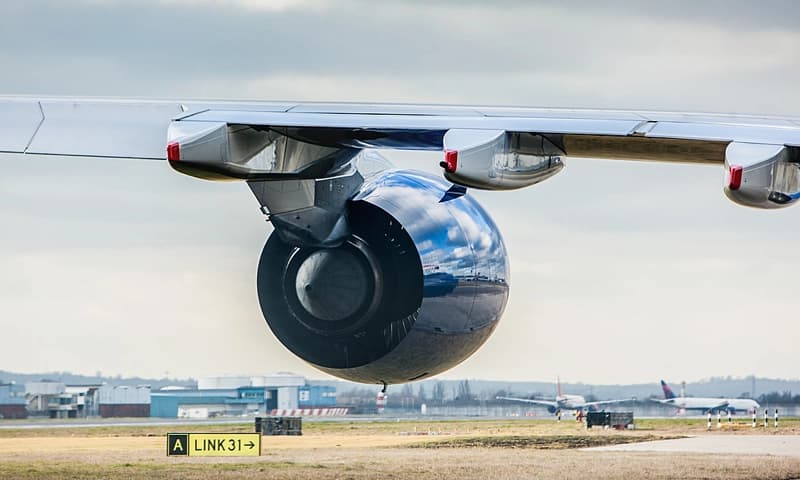
Heathrow will push its Sustainable Aviation Fuel (SAF) uptake to a target of 5.6% in 2026, which sits 2% above the UK Government’s 3.6% mandate, allocating more than £80 million to help airlines close the cost gap between kerosene and SAF.
Numbers, logistics and immediate supply impacts
The target implies roughly 350,000 tonnes of SAF uplifted at the airport in 2026, with the additional 2% representing about 124,068 tonnes. Heathrow estimates that this level of SAF use could cut around 600,000 tonnes of carbon emissions — roughly equivalent to over 950,000 economy-class round trips between Heathrow and JFK using ICAO calculations.
How the incentive changes fuel logistics
The scheme is designed to halve the price gap between fossil kerosene and SAF, making SAF more commercially viable for airlines. Operationally this means:
📚 You may also like
- Increased inbound shipments of SAF or SAF blendstock by pipeline, tanker, and rail.
- Higher demand for dedicated storage tanks and blending infrastructure at fuel farms and into airport hydrant systems.
- Greater coordination between fuel suppliers, airlines, and ground handlers to schedule uplift and avoid bottlenecks during peak travel periods.
Key figures at a glance
| Metric | UK Mandate (2026) | Heathrow Target (2026) |
|---|---|---|
| SAF share | 3.6% | 5.6% |
| Estimated SAF tonnes | 225,932 | 350,000 |
| Additional SAF above mandate | 124,068 tonnes | |
| Allocated incentive fund | £80 million+ | |
Supply chain pinch points and industrial knock‑on effects
Meeting a 5.6% uplift will stretch the SAF supply chain: production scale-up, feedstock logistics, and distribution networks must all expand in short order. SAF can deliver >70% lifecycle greenhouse gas savings depending on feedstock and process, but producers need consistent offtake signals and capital for new plants. Heathrow’s move — after already handling about 17% of the world’s SAF supply in 2024 — creates both demand certainty and pressure on feedstock markets.
Operational and regulatory considerations
Airlines and handlers will face practical tasks: ensuring compatible storage, updating fuel quality checks, and revising fuel procurement contracts. The incentive’s commercial design is meant to smooth those changes, but it also increases the administrative burden on fuel suppliers and airport logistics teams.
Logistics challenges
- Scaling SAF production while avoiding feedstock competition with other sectors.
- Upgrading airport fuel facilities to manage blended fuel safely.
- Synchronizing deliveries to avoid congestion at fuel farms and dockside terminals.
Why yachting, marinas and boat rental operators should care
Okay, here’s where the boating crowd gets a seat at the table: the same feedstocks and bio-processing capacity that ramp up SAF can interact with marine biofuels and shore-side energy projects. I remember watching refuelling at a busy marina and thinking how fuel mix changes could ripple across leisure boating—fuel availability, pricing, and even emissions reporting for charter operators.
Direct and indirect effects on boating
- Competition for feedstock could nudge marine biofuel prices up in the short term.
- Investment in sustainable fuel infrastructure at airports often parallels upgrades at ports and marinas — better storage, blending tech, and shore power capacity.
- Charter companies and superyacht operators may adopt blended biofuels or shore-based low-carbon energy solutions earlier if supply chains mature.
Practical takeaways for charter and rental businesses
- Monitor local fuel suppliers for blended marine fuel offers as refinery feedstocks diversify.
- Talk to marinas about shore power and bunkering upgrades — early adopters can gain a marketing edge.
- Factor potential fuel-cost volatility into charter pricing and fuel clauses.
In short, Heathrow’s move to a 5.6% SAF uplift backed by £80M+ re-shapes aviation fuel logistics, tightens feedstock markets, and sends a signal that higher SAF use is financially incentivized. That signal won’t stay confined to airports: marinas, yacht operators, and boat rental companies should watch supply-chain shifts, pricing, and infrastructure upgrades closely. As they say, the tide lifts all boats — and in this case, SAF demand at a major hub could raise the bar for sustainable fuel availability across air and sea.
Summary: Heathrow’s 2026 target of 5.6% SAF—2% above the UK Government mandate—comes with >£80M in incentives, an estimated 350,000 tonnes of SAF use and ~600,000 tonnes CO2 avoided. The logistics implications include increased storage, blended fuel handling and supply-chain pressure; downstream effects may touch yacht charters, boat rental pricing, marinas and marine fuel availability. For operators and captains, now is the time to track suppliers, consider shore power and plan for changing fuel economics in the ocean, gulf and lake arenas where yachting and boating activities meet the next wave of sustainable fuel change.


