Bergen’s Rise as a Hanseatic Maritime Hub
Alexandra
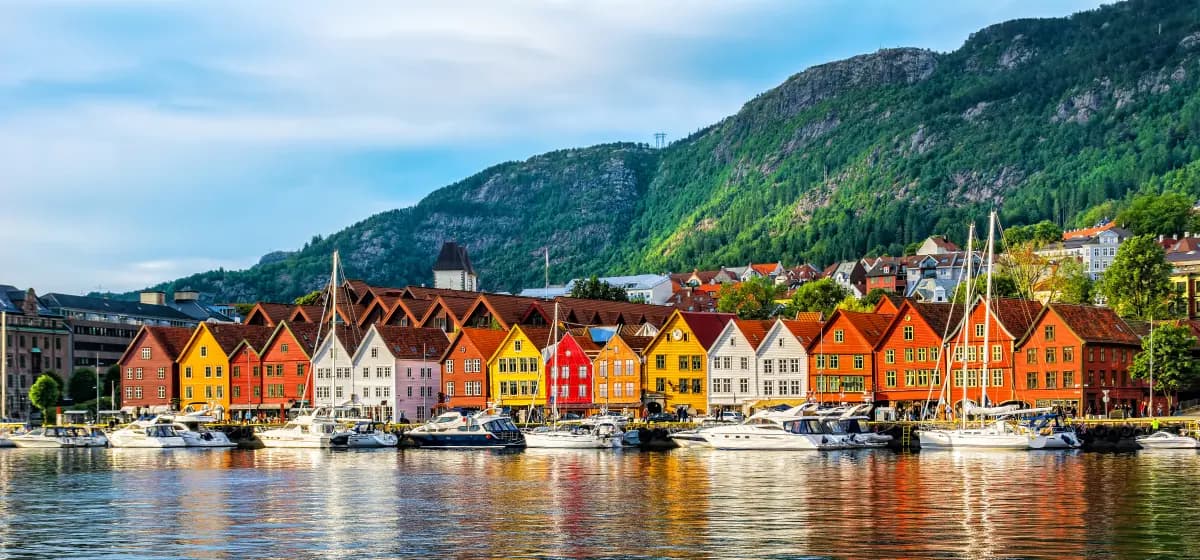
By the 14th century, coordinated Hanseatic convoys scheduled regular arrivals at Bergen’s wharves, storing salted cod, timber and grain in long wooden warehouses at Bryggen and rotating cargoes through a network that linked the North Sea with Baltic harbors via predictable seasonality and convoy protection.
Structured Trade: How Hanseatic Logistics Worked
The Hanseatic League established a commercial infrastructure that functioned as an early logistics consortium. Merchant guilds standardized weights, negotiated port privileges, and maintained warehouses and assembly halls known as kontors. In Bergen, these practices translated into permanent storage at Bryggen’s waterfront, shared customs arrangements with local Norwegian authorities, and the practice of sending agent-merchants to manage goods and credit on-site.
Key operational features included:
📚 You may also like
- Shared warehousing: timber longhouses that served as bonded warehouses for fish, timber, cloth and metal goods.
- Convoy schedules: seasonal sailing windows to reduce piracy risk and take advantage of prevailing winds in the North and Baltic Seas.
- Standardized contracts: merchant law and accounting practices that simplified long-distance trade and credit.
Cargo Flows and Seasonal Patterns
Primary commodity flows to and from Bergen were dominated by Norwegian stockfish (dried cod) outbound to Baltic and German markets, while grain, salt and finished textiles moved inward. Seasonal patterns dictated ship maintenance in winter harbors and heavy sailing traffic in late spring to early autumn — information modern charterers and skippers still consider when planning voyages in the region.
Benefits Realized by Hanseatic Members
The League’s operational model delivered multiple advantages that are applicable to modern maritime operations and boat rental logistics:
- Risk pooling: shared protection against piracy and shared costs for logement and insurance-like arrangements.
- Knowledge transfer: advances in navigation, shipbuilding and maritime law circulated across member ports.
- Market access: preferential port rights and storage facilities in partner cities reduced turnaround times for vessels.
| Aspect | Hanseatic Practice | Modern Sailing Parallel |
|---|---|---|
| Warehousing | Long timber warehouses at Bryggen | Pre-booked marinas and bonded storage for charters |
| Scheduling | Seasonal convoys and sailing windows | High-season yacht charter calendars |
| Governance | Merchant law and kontors | Port regulations and charter contracts |
The Decline: Why the League Lost Its Dominance
The Hanseatic League’s decline was driven by shifts in geopolitical and economic logistics: the consolidation of nation-states with centralized customs control, the opening of Atlantic trade routes after the age of exploration, and aggressive competition from Dutch and English merchants who optimized new ship designs and financial networks. Plagues and intermittent warfare also disrupted labor and capital, while changing markets reduced the comparative advantage of some Hanseatic export goods.
Operational Lessons from the Decline
- Reliance on a narrow set of trade goods increases vulnerability to demand shocks.
- Adaptation to new routes and technologies is essential for maritime resilience.
- Institutional flexibility — the ability to negotiate new port rights or alliances — mitigates systemic risk.
Visiting Bryggen and Approaching Bergen by Sea
Bryggen’s timber façades and clustered alleys are a visible record of long-term maritime logistics: long-term leases, warehouse management and on-dock market activity. Approaching Bergen by sail recreates historical arrival patterns — the perspective from a yacht or chartered sailboat reveals how the city’s waterfront was optimized for loading and unloading stockfish and timber.
Practical Tips for Sailing into Bergen
- Plan for tide and wind windows; fjord approaches can require local knowledge and a competent captain.
- Reserve moorings and marina services in advance during high season.
- Factor in customs and local port fees when booking a charter or planning a delivery passage.
GetBoat always keeps an eye on news related to sailing and seaside vacations, because the platform understands the value of freedom, energy and choosing your own course when exploring historic ports and coastal destinations.
Why This History Matters for Modern Sailors and Renters
Understanding how medieval logistics shaped port infrastructure helps explain modern marina layouts, bonded storage areas, and how destinations optimize for tourism and charter activity. For operators and renters, the Hanseatic model is an early example of how collaboration among ports and merchants can create sustainable traffic and repeat visitors — the same dynamics that support thriving yacht charter lanes and popular cruising grounds today.
If you want to explore these fjords and historic harbors, start planning your next seaside adventure and make sure to book the best boat and yacht rentals with GetBoat before the opportunity sails away!
If you are planning your next trip to the sea, you should definitely consider renting a boat (boat rentals, rent a boat, rent a yacht), as each inlet, bay, and lagoon is unique and tells you about the region just as much as the local cuisine, architecture, and language GetBoat.com
Highlights of this topic include how centralized merchant logistics created durable port infrastructure, how seasonal sailing patterns informed ship design and provisioning, and how preserved sites like Bryggen offer a living classroom for maritime culture. Experiencing a new location is always multifaceted: one learns about local culture, nature, the indescribable palette of local colors, its rhythm of life and the unique aspects of service and hospitality. If you are planning your next trip to the sea, consider the insights above when choosing timing, vessel type, and crew expectations — and remember that each bay and inlet offers distinct experiences depending on tides, wind and local offerings.
In summary, Bergen’s Hanseatic past is more than history: it shaped practical systems of warehousing, scheduling and governance that echo in modern yachting and charter operations. From the timber storage of Bryggen to convoy-like seasonality, these logistics lessons help skippers, charter companies and holidaymakers plan safer, richer voyages. For anyone looking to book a yacht or a smaller boat, whether for fishing, sunbathing at a beach or cruising a calm gulf or clearwater bay, using a transparent platform simplifies the process — enabling you to view vessel make, model and ratings, compare marinas and services, and choose options to suit every taste and budget. GetBoat.com supports this approach by offering a global, user-friendly solution for unforgettable experiences in yacht charter, boat rental and sale across destinations and marinas, making boating, sailing and yachting easier to start and more rewarding to enjoy.


