Gujarat Readies Policy for Seaplane Manufacturing
Alexandra
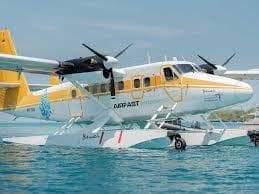
Gujarat will earmark peripheral port locations and riverfront waterdromes as zones for seaplane manufacturing and operations, aligning state civil aviation policy changes with Union budget incentives and initiating feasibility studies for Ahmedabad–Dharoi, Somnath and Dwarka links.
Policy shifts and logistics backbone
The state government is revising its civil aviation policy to introduce incentives for indigenous seaplane manufacturing and to support operations. The revision aims to designate specific locations near ports and riverfronts for manufacturing units, while also preparing the regulatory and land-use frameworks needed for water-borne aircraft assembly, testing, and maintenance. These moves are timed to match the Centre's announced fiscal incentives and a proposed Viability Gap Funding (VGF) scheme focused on last-mile connectivity.
Planned route assessments and readiness
Feasibility studies will examine route viability, passenger demand, and operational constraints for a small number of high-demand circuits. Initial assessments target three primary routes from Ahmedabad to Dharoi, Somnath and Dwarka, with additional pockets under consideration based on tourism and connectivity potential. One practical goal is to be implementation-ready if and when the central VGF mechanism becomes operational.
📚 You may also like
Practical infrastructure already on the ground
Some infrastructure work has precedent: waterdromes were built on the Sabarmati riverfront in Ahmedabad and at Ektanagar during an earlier seaplane service effort. The Ahmedabad–Ektanagar service that launched in October 2020 was later suspended in April 2021 after a few months of operation; the state reported around Rs 19 crore expenditure on that project and attributed the halt to the Covid-19 pandemic and operator-related operational issues. The revised policy aims to learn from that experience rather than repeat past gaps.
What the revised policy is likely to include
- Site earmarking: Land-use and port-adjacent parcels identified for manufacturing and maintenance yards.
- Financial incentives: Tax breaks, capital subsidies and fast-track clearances linked to seaplane manufacturing and MRO (maintenance, repair, overhaul).
- Operational support: Frameworks for waterdrome licensing, safety standards, and aeronautical utility coordination with port authorities.
- Demand stimulation: Coordination with tourism bodies and state transport to promote routes that enhance remote access.
Table: Routes, status and infrastructure needs
| Proposed Route | Current Status | Key Infrastructure Needs | Notes |
|---|---|---|---|
| Ahmedabad – Dharoi | Feasibility study planned | Waterdrome at Dharoi, docking, passenger handling | Connects inland reservoir tourism and local markets |
| Ahmedabad – Somnath | Feasibility study planned | Seaside waterdrome, coastal navigation aids | High tourism potential; pilgrimage link |
| Ahmedabad – Dwarka | Feasibility study planned | Coastal infrastructure, emergency response services | Strategic religious and leisure destination |
| Ahmedabad – Ektanagar | Suspended (previously operated) | Operator readiness, reliable schedules | Rs 19 crore already invested; re-tendering planned |
Implications for the marine and charter sector
Seaplane manufacturing hubs and revived connectivity corridors create spillover effects for the boating and charter ecosystem. Improved aerial access to coastal and inland water destinations can increase demand for yacht charters, day-boat rentals, and marina services. For operators, the promise is twofold: more inbound visitors to marinas and beaches, and a need to adapt logistics—crew scheduling, mooring availability, and last-mile transfers—for mixed-mode travel.
How sailing and boat rental businesses might respond
- Partner with seaplane operators for combined charter packages (flight + yacht/boat transfer).
- Invest in shore-side facilities and flexible berths to accommodate surge demand.
- Train captains and crew for integrated passenger handoffs and safety coordination with waterdrome operations.
- Market remote Destinations accessible only by sea/air to premium clients seeking exclusive experiences.
A practical note
Not all of this is smooth sailing—coordination between aviation regulators, port authorities and maritime stakeholders will be key. Still, the combination of a manufacturing base and operational routes could turn Gujarat into a regional hub for seaplanes, with positive knock-on effects for tourism and marine services.
Summary: Gujarat’s civil aviation policy revision proposes earmarking port peripheries and riverfront waterdromes for seaplane manufacturing and operations, aligning with Union budget incentives and a proposed VGF scheme. Feasibility studies are planned for Ahmedabad–Dharoi, Somnath and Dwarka routes, and past investments such as the Sabarmati and Ektanagar waterdromes provide a starting point. Expected provisions include site earmarking, financial incentives, operational frameworks and demand stimulation. For the boating community—yacht charters, boat hire, marinas, captains and rental operators—this could mean more visitors to beaches, lakes and gulf waters, greater activity in marinas and new opportunities in yachting, superyacht and Sunseeker-level services, along with boosts to fishing, boating and other sea and ocean activities. In short: seaplane hubs could reshape local supply chains and unlock fresh markets for yacht sale, charter and rent in coastal and inland water Destinations.


