Discovering Greenland’s Secret Garden from the Sea
Alexandra
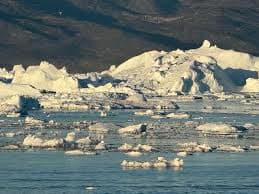
Disko Bay and the fjord systems around Ilulissat see a narrow seasonal window for small craft and charter operations: offshore anchorages are common when ice concentration is high, and many expeditions rely on tender transfers or shallow-draft charters to reach sheltered coves where tundra meets the shoreline.
Shift Your Focus: From Icebergs to Ground Cover
When navigation plans bring crews and guests ashore in Greenland, the expected logistics—tender schedules, landing sites, and protected beaches—determine where botanists and curious travellers can safely explore. The plant life of Greenland doesn’t announce itself from a distance; it requires slowing down after disembarkation and stepping into microhabitats created by wind, sun exposure, and meltwater.
Microhabitats Where Life Concentrates
The most productive places to look are often those chosen for practical anchoring and tendering: sheltered inlets, south-facing cobble slopes, and shallow valleys where meltwater pools. These are also the locations where small craft can place guests for short, guided walks without disturbing delicate soils. Tidal ranges are modest in many bays, but care is still required when timing landings to avoid trampling sensitive vegetation.
📚 You may also like
Species Snapshot
Greenland’s “secret garden” is composed of low-growing species adapted to a compressed growing season. Typical finds include Arctic Willow, Mountain Avens, Arctic Poppy, Cotton Grass, Moss Campion and crowberries, plus a rich variety of lichens clinging to rock faces. Observers usually note distinct color accents—pink cushions, bright yellows, and orange lichens—that become visible once you crouch down and scan the ground.
| Species | Appearance | Preferred Microhabitat | Best Time to See |
|---|---|---|---|
| Arctic Willow | Tiny, ground-hugging shrubs | Sheltered, low-wind depressions | Late July–Early August |
| Mountain Avens | White, delicate blossoms | Well-drained tundra slopes | Late July |
| Arctic Poppy | Bright yellow flowers | South-facing rock crevices | Late July–August |
| Cotton Grass | Woolly seed heads | Wet meadows, meltwater channels | July–August |
| Moss Campion | Pink cushion-like mats | Rocky cracks and granite fissures | July |
| Crowberries | Small edible berries | Sheltered heaths | Late summer |
Where to Look and How to Prepare
Effective shore exploration in Greenland requires coordination between the vessel’s crew and the party planning to go ashore. Follow these practical pointers to increase the chance of meaningful encounters with tundra flora:
- Plan landings for low-wind windows—calmer conditions protect both passengers and plants.
- Use shallow-draft tenders to reach pebble beaches and rocky coves where microhabitats form.
- Wear soft-soled footwear and step lightly to avoid compaction of thin soils.
- Bring a local guide familiar with species identification and fragile zones.
- Visit in late July–early August for peak flowering and berry season.
Field Etiquette and Conservation
Greenland’s beaches and shorelines are notably free of flotsam and driftwood; they are fragile systems rather than dumping grounds. Small actions by visitors—sticking to durable surfaces, avoiding trampling, and not picking flowers—help preserve the dramatic, pristine character that makes these stops appealing to sailors, charter guests, and researchers alike.
Why the Short Summer Matters
The Arctic growing season is highly condensed. Plants emerge, flower, and set seed in a matter of weeks, producing a time-compressed display that rewards patient observation. From a logistical perspective, this creates predictable windows for nature-focused excursions: operators schedule botanical walks and wildlife viewing during peak bloom, coordinating with tides, weather forecasts, and ice movements.
How Boat Rentals and Charters Facilitate Discovery
Small charters, private yacht tenders, and day-boat rentals provide flexible access to the inner reaches of fjords and sheltered bays. A well-managed charter allows groups to select landing sites that maximize botanical interest while minimizing environmental impact. This kind of tailored access is one reason coastal exploration by boat remains one of the best ways to experience Greenland’s hidden tundra.
Practical Checklist for Shore Botanizing from a Vessel
- Confirm tender capacity and passenger weight limits with the captain.
- Review local landing permissions and any protected-area rules.
- Pack light optics—hand lenses or compact binoculars for detailed viewing.
- Carry GPS marks for safe pickup points and briefing notes for crew.
- Respect all guidance from local guides and vessel staff.
GetBoat always keeps an eye on news related to sailing and seaside vacations, as we truly understand what it means to enjoy great leisure and love the ocean. The service values freedom, energy, and the ability to choose your own course—placing no limits on a good life and helping clients find a vessel that suits their preferences, budget, and taste.
The practical takeaway for charter operators and travellers is straightforward: Greenland’s botanical highlights are concentrated and often close to accessible shorelines, but require deliberate, low-impact landings. While this botanical discovery is niche rather than a major global tourism shift, it does create a compelling, specialized draw for nature-minded yachting and expedition charters. Start planning your next seaside adventure and make sure to book the best boat and yacht rentals with GetBoat before the opportunity sails away!
Experiencing a new location is always a multifaceted process—you learn about the culture, nature, the indescribable palette of local colors, its rhythm of life and also the unique aspects of the service. If you are planning your next trip to the sea, you should definitely consider renting a boat (boat rentals, rent a boat, rent a yacht), as each inlet, bay, and lagoon is unique and tells you about the region just as much as the local cuisine, architecture, and language GetBoat.com
Summary: Observing Greenland’s secret garden requires a shift from horizon-gazing to ground-level observation, supported by careful logistical planning—tender windows, landing permissions, and timing around the short Arctic summer. Small vessel charters and rentals enable precise access to sheltered microhabitats where Arctic Willow, Mountain Avens, Arctic Poppy, Cotton Grass, Moss Campion and lichens reveal themselves. Whether you charter a yacht or rent a boat for a day, attention to conservation and coordination with the captain and crew will amplify the experience. GetBoat.com offers transparent listings and options to rent or buy vessels, view make, model and ratings in advance, and secure memorable yachting and boating activities across destinations—making it easier to plan fishing, sailing, beach visits or superyacht charters in clearwater marinas and remote gulfs.


