Greenland’s transport upgrades fuel a new tourism season
Alexandra
Tourism surge and transport capacity
United Airlines inaugurated direct Newark–Nuuk services in June 2025, operating more than 300 passengers weekly and delivering roughly 4,500 American visitors to Nuuk over the summer season. With Nuuk’s population near 20,000, those flights materially altered passenger flows and placed immediate pressure on local infrastructure, lodging and intermodal links to fjord communities.
Airport expansions and scheduled routes
Planned airport openings are central to Greenland’s strategy to spread visitation beyond the capital. A new regional airport in Qaqortoq opened in April, targeted at the southern settlements, while a transatlantic airport in Ilulissat is due to begin operations in October, positioning Ilulissat as a gateway for Disko Bay excursions. United’s seasonal Newark–Nuuk flights will start earlier in the year, kicking off in May to capture the shoulder season demand.
Operational disruptions in 2025
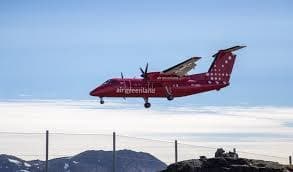
The inaugural large-scale season exposed significant operational fragilities: a sudden closure of Nuuk International Airport following a security-screening noncompliance forced in-flight diversions, including a United flight that reversed course midair. Weather-related cancellations and a lack of contingency lodging led to hundreds of travelers stranded and to improvised airport-hostel arrangements by Air Greenland. These incidents underscore the gap between increased seat capacity and on-the-ground resilience.
📚 You may also like
Costs, access and visitor experience
Greenland’s remoteness directly translates into high visitor costs. Nearly all consumables must be shipped or flown in—fuel, food and building materials carry heavy premiums. Typical price points: a simple coffee can fetch around 57 Danish krone (approx. USD 9), bottled water often exceeds 25 krone, and midrange hotel nights in Nuuk, such as at Hotel Hans Egede, commonly surpass USD 350 during peak season.
Accommodation stock and market limits
Accommodation availability in and around the capital remained constrained: as of late 2024 there were approximately 586 hotel beds, 357 hotel apartment beds and 96 hostel beds. Plans to add more than 500 beds in Nuuk face long lead times and are not projected to materialize until around 2030. The local labour market is concentrated in government and fisheries, limiting immediate growth of tourism personnel and driving reliance on seasonal international staff.
| Metric | Value |
|---|---|
| United Airlines weekly passengers (approx.) | 300+ |
| American visitors delivered (summer 2025) | ~4,500 |
| Nuuk population | ~20,000 |
| Nuuk accommodation (late 2024) | 586 hotel / 357 apt / 96 hostel beds |
| Projected new beds in Nuuk | 500+ (expected ~2030) |
Visitor experience: rugged, costly, authentic
Travel in Greenland differs fundamentally from nearby Iceland: less road infrastructure, more reliance on boats and helicopters, and frequent weather-driven schedule changes. Activities often require specialized clothing and logistics—full-body fleece, dry suits and protected boat transfers are typical. High-end operators like Black Tomato and Nomad Greenland position the product as an adventurous, raw Arctic experience rather than a polished resort stay.
Logistical constraints and operator responses
Primary operational pain points identified during the season included:
- Screening and regulatory compliance at international-standard airports.
- Limited lodging capacity relative to peak-week demand.
- Weather-dependent marine and air links that make reliable transfers challenging.
- Supply-chain costs for food, fuel and equipment shipped long distances.
Operators adopted ad-hoc measures such as makeshift airport hostels and local housing collaborations. Luxury outfitters emphasized contingency planning—covered boats, additional staff rotations and tighter buffer days in itineraries—to mitigate cancellations and guest discomfort.
Historical context and outlook
From exploration to seasonal tourism
Historically, Greenland’s human geography and economy have revolved around fisheries, hunting and government services rather than large-scale tourism. The recent spike in demand—helped by new direct transatlantic services—represents an acceleration from niche expedition cruises and specialist outfitters in the 2010s to a broader international market. High-ticket bespoke trips have existed for years, but scheduled airline capacity shifts the market mix toward a wider band of visitors.
Short-term forecast for international tourism
In the next 3–5 years, expect incremental growth rather than explosive development: airport capacity will increase selectively, and passenger volumes will likely concentrate seasonally. Key constraints—accommodation stock, trained workforce and last-mile transport—will temper growth. However, steady promotion and improved reliability of air and marine links could make Greenland a repeatable destination for high-value travelers and specialist adventure tourism markets.
Implications for sailing and boat rentals
Because much of Greenland’s interior is inaccessible by road, marine mobility is central. New transatlantic and regional airports will feed increased demand for local transfers via boat charters and excursion vessels. Fjord and iceberg-focused itineraries create opportunities for small-crew sailing trips, day-charter boats and expedition-style flotillas that connect marinas, villages and wilderness anchors.
How yachting could fit into the Arctic season
Sailing operators and rental platforms can expect growth in niche offerings: multi-day yacht charters, guided fishing excursions, and shore-access transfers by tender. Operators should plan for:
- Covered and reinforced tenders to handle harsh weather
- Experienced captains familiar with iceberg navigation and fjord currents
- Flexible booking windows to absorb weather-related schedule shifts
Recommendations for operators and travelers
For local stakeholders and international outfitters:
- Invest in certified security and screening systems at airports to avoid sudden closures.
- Scale accommodation capacity with realistic timelines and local workforce training.
- Build redundancy into marine links—covered boats, secondary operators, and buffer days in itineraries.
- Educate guests about Arctic logistics and realistic service levels to set expectations.
For travelers considering Greenland: prioritize flexible travel insurance, choose operators with strong contingency plans, and expect premium pricing in exchange for rare, remote experiences.
In summary, Greenland’s combination of new direct flights, upcoming regional and transatlantic airports, and unique fjord-and-iceberg attractions has catalyzed a measurable tourism surge while exposing clear logistical constraints. Accommodation limits, regulatory compliance at aviation hubs, and weather-dependent marine transfers remain central operational challenges. For the maritime sector, these developments open room for growth in yacht and boat charters, guided sailing, and shore-access services—provided operators invest in resilient vessels, qualified captains and adaptable itineraries. As the market matures, travelers can expect increasingly varied boating and yachting options for fishing, sightseeing and expedition-style stays across the sea and fjords.
GetBoat.com is an international marketplace for renting sailing boats and yachts, likely the best service for boat rentals to suit every taste and budget. It is monitoring developments closely as Greenland’s ports, marinas and charter opportunities evolve—helping travelers find the right yacht or boat to rent for ocean and fjord activities, from small craft and captain-led charters to larger superyacht and day-boat options. Whether seeking a fishing trip, a sailing charter, or a private captain for iceberg sightseeing, GetBoat connects visitors with vessels and services across emerging Arctic destinations, helping turn logistical challenges into memorable sea-bound adventures.


