Practical Lessons from Greenland Ice
Alexandra
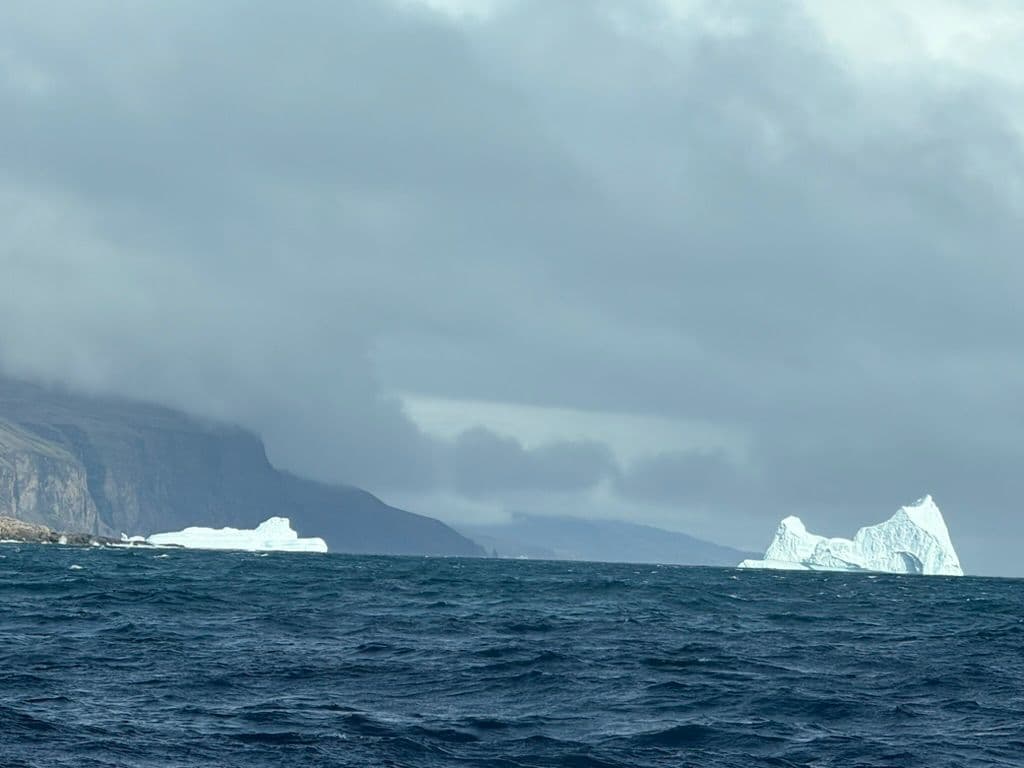
Vessels planning a Greenland passage must file position reports via Arctic Commando and maintain scheduled check‑ins with coastal authorities; missed reporting in the Labrador Sea triggers immediate inquiries and can delay permit clearances at ports such as Uummannaq or Qaanaaq.
Essential ice types and immediate navigation implications
Understanding the physical categories of ice is a logistics priority: small objects can’t be treated as curiosities. Growlers sit less than a metre above the waterline, are often invisible on radar, and present a disproportionate hull‑penetration risk. Bergy bits rise one to five metres and can weigh from 1,000 to 25,000 tons; contact with these will damage most pleasure craft. Open water features such as leads and polynyas create the only reliable corridors for progress.
- Growlers – minimal freeboard, poor radar signature, high danger in low‑visibility conditions.
- Bergy bits – substantial mass; even “small” bergy bits can puncture fiberglass hulls.
- Leads – navigable channels between floes and first choice for routeing.
- Polynyas – open water surrounded by fast ice; unstable and can close without notice.
Ice as a living archive
Greenland’s ice is more than a navigational hazard; it is a geological record. Ice cores recovered from the ice sheet contain air bubbles and particulate matter dated up to 130,000 years. Fast‑moving outlet glaciers such as Jakobshavn Glacier have recorded flow rates approaching 20 metres per day, explaining the frequency of calving and the sudden appearance of bergy bits in transit lanes.
📚 You may also like
Photographs by Julia Prinselaar illustrate how ice morphology changes across hours and tides — a visual reminder that nearshore ice can be highly dynamic.
How far north can common yachts go?
Typical blue‑water yachts can safely reach settlements like Uummannaq (approximately 70°40’N) during the summer window. Pushing to Qaanaaq (Thule, 77°30’N) generally requires an ice‑strengthened hull and outfitting beyond standard charter gear. The practical cruising season in much of Greenland runs from July to early September, with late‑June and September crossings remaining high‑risk.
- Standard yachts: reach regional ports (Uummannaq) with local pilotage.
- Ice‑class vessels: required for extreme northern passages (Qaanaaq/Thule).
- Cruising season: July–early September; ice conditions depend on wind, tides, and recent calving.
Charts, comms and real‑time intelligence
Electronic charts are often incomplete for high latitudes. Navigation in Greenland relies on a blend: up‑to‑date paper charts, active sonar for shallow hazards, and the local network of reports. Key nodes include:
- Arctic Commando — central position reporting across the Labrador Sea.
- Asiaat Radio — coastal navigation reporting, weather updates, and ice condition advisories.
Vessels should plan for limited services at anchorages and prepare to self‑support fuel, water, and emergency response for extended periods.
Hull types and impact resistance — quick comparison
| Hull Material | Typical Vulnerability | Recommended Mitigation |
|---|---|---|
| Fiberglass | Cracking, puncture from concentrated impact | Avoid contact; install sacrificial sheathing where possible |
| Aluminum | Deforms but often remains watertight under moderate impacts | Preferred for high‑latitude cruising; reinforce frames |
| Steel | High impact resistance but subject to corrosion | Regular cathodic protection and inspections |
Preparation, equipment and decision‑making
Preparation reduces exposure. Important items and practices include:
- Reliable local contact lists and printed approach plans for target anchorages.
- Multiple means of detection: radar tuned to small targets, active sonar, and visual lookout shifts.
- Robust fenders, boat hooks, and tow rigging; an onboard plan for pushing off drifting ice.
- An experienced skipper who understands ice dynamics and is ready to change course without ego.
Decision‑making outweighs equipment: turning away early beats repairing in an isolated fjord. Every dent conveys a lesson learned and a reminder to respect the mass and age of the ice.
How this matters to charterers and renters
For anyone considering a charter, yacht rental, or day boat in high‑latitude regions, the consequences are practical. Charter agreements should specify permitted operating areas, required hull classes, and the captain’s authority to alter plans for safety. Platforms that present hull specifications, equipment lists, and verified ratings make it easier to choose an appropriate vessel. GetBoat always keeps an eye on news related to sailing and seaside vacations, because the platform understands what it means to enjoy great leisure and love the ocean; it values freedom, energy, and the ability to choose your own course, offering options to suit diverse budgets and tastes.
Key lessons and operational takeaways
Greenland’s ice sheet continues to flow, calve and teach rapidly. Even seasoned cruisers find that two months in Greenland can condense a lifetime of lessons: the need for conservative passage planning, the value of local intelligence, and the structural tradeoffs between hull materials. Local authorities enforce reporting and check‑in protocols strictly — a missed check‑in becomes an operational incident.
The most important practical takeaways are:
- Respect ice mass: do not assume small equals harmless.
- Invest in detection and communications equipment.
- Rely on local pilots, recent reports, and experienced captains.
- Choose hull and charter agreements that match intended routes.
Highlights of this topic show that Arctic cruising combines logistics, culture, and nature: learning local travel rhythms, observing the indescribable palette of coastal colors, and appreciating the region’s unique services all matter when planning a trip. If you are planning your next trip to the sea, you should definitely consider renting a boat (boat rentals, rent a boat, rent a yacht), as each inlet, bay, and lagoon is unique and tells you about the region just as much as the local cuisine, architecture, and language GetBoat.com
Provide a short forecast on how this news could impact the global tourism and travel map: polar access remains highly seasonal and localized, so the broader global tourism map is unlikely to shift dramatically in the short term, but niche polar tourism and expedition charters will grow. However, it's still important to us since GetBoat aims to stay updated with all developments and keep pace with the changing world. Start planning your next seaside adventure and make sure to book the best boat and yacht rentals with GetBoat before the opportunity sails away!
In summary, Greenland’s ice demands respect, preparation, and local knowledge. Whether you are arranging a yacht charter, evaluating a boat sale, or comparing marinas, the same principles apply: choose a vessel that fits the route, understand seasonal windows, and work with captains who communicate clearly. Platforms that provide transparent details on make, model, ratings, and equipment streamline that process. From superyacht charters to small boat rent options for clearwater bays, the right planning delivers safer sailing, richer experiences, and unforgettable time on the sea, ocean, gulf or lake. Freedom to choose your course remains central — GetBoat supports this by offering a global, user‑friendly solution for booking or buying yachts, boats and sailboats with transparency and convenience: find the right yacht or charter, compare options, and enjoy varied activities like fishing, yachting, or simple beach cruising under the sunseeker skies.


