Goa Tourism Enforces Law by Demolishing Unauthorized Romeo Lane Shack at Vagator
Alexandra
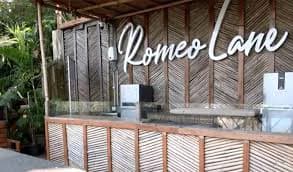
Goa Tourism's Efforts Against Unauthorized Construction at Vagator
In a recent operation, the Department of Tourism in Goa took decisive action against an unauthorized structure operating under the name "Romeo Lane" at Vagator beach. This action was necessitated due to repeated violations of land-use and tourism-related regulations, including the reconstruction of the same structure despite a prior demolition carried out earlier in 2024.
The Department emphasized that the operation was fully in line with the legal framework governing private beachside establishments under its jurisdiction. While the Department registers private shacks along the beach, it does not hold licensing authority—however, Romeo Lane’s position on the coastline placed it squarely under its oversight.
Past enforcement had demolished the unauthorized structure, but its subsequent rebuilding without the necessary permits led to renewed governmental intervention. This reflects Goa's commitment to uphold lawful tourism governance and protect its coastal areas from illegal encroachment.
📚 You may also like
Legal and Administrative Context
The enforcement measures highlight the distinction between different properties and their regulatory oversight. For instance, while the Department controls beachside establishments such as Romeo Lane in Vagator, another property known as Birch by Romeo Lane in Arpora falls outside its jurisdiction, illustrating the nuanced administrative landscape.
As stated by Rohan A. Khaunte, Goa's Minister for Tourism, the demolition is part of ongoing efforts to combat illegal constructions, unauthorized activities, and touts that can undermine the reputation and orderly management of tourism in the region. The Department Director, Kedar Naik, confirmed the action was taken strictly within legal boundaries after previous measures failed to prevent illicit rebuilding.
Past Incidents and the Need for Sustainable Coastal Management
Repeated demolitions at the same site demonstrate a persistent challenge faced by authorities: enforcing regulations in popular tourist hotspots where demand for beachside amenities is high. Unauthorized encroachment not only raises legal concerns but poses risks to sustainable coastal development, public access to beach areas, and environmental conservation.
This enforcement aligns with a broader mandate of balancing tourism growth with environmental responsibility, ensuring that coastal regions like Vagator maintain their natural beauty and accessibility for all visitors, whether arriving by land or sea.
Goa’s Rich Tourism Legacy and Emerging Challenges
Goa is renowned for its scenic variety, boasting over 100 kilometers of pristine beaches that attract a diverse array of tourists—from low-budget backpackers to high-income international visitors. This unique blend of Indian and Portuguese heritage lends the region a cultural distinctiveness evident in its architecture, festivals, and cuisine.
Sailing and boating activities flourish in Goa's marinas and coastal gulfs, making it a sought-after destination for yacht charters and ocean-based recreation. However, increased tourism also brings pressures. One ongoing issue relates to the allocation of scarce natural resources such as water and power, which often shifts disproportionately toward the hospitality sector, sometimes at the expense of local communities and traditional livelihoods like fishing.
The state’s tourism policies aim to encourage upmarket tourism, though local organizations have raised concerns regarding social and ecological impacts. The regulation of informal beach shacks remains a critical element in preserving both the cultural fabric and environmental sustainability of the coastline.
Table: Types of Tourists Visiting Goa
| Tourist Category | Characteristics | Typical Activities |
|---|---|---|
| Backpackers | Low-budget, mostly European and Australian | Staying in guesthouses, exploring beaches and local culture |
| Domestic Tourists | Indian visitors for holidays and cultural tours | Hotels in Panaji and towns, cultural festivals |
| High-income Western Tourists | Luxury travelers, including Goan expatriates | Resort stays, tailored itineraries, yachting |
| Package Tourists | Western European mainly, arriving by charter flights | Commercialized beach resorts, boat tours, sightseeing |
| Middle-class Holidaymakers | Western Europeans favoring small hotels and guesthouses | Beach activities, local markets, sailing |
Anticipating the Impact on Goa’s Tourism Future
Given the increasing competition from emerging pristine beach destinations in the broader Asian region, Goa is at a crossroads. Maintaining a balance between development and environmental stewardship is more crucial than ever. Illegal constructions like the unauthorized Romeo Lane shack threaten this equilibrium by impacting coastal ecology and undermining legal business operators.
Future tourism development in Goa is likely to focus on strengthening regulations, enhancing sustainable practices, and leveraging its natural maritime assets—including yachting, sailing, and other ocean activities—to appeal to discerning travelers.
Looking Ahead: The Nexus of Tourism and Coastal Management
Effective enforcement of land-use rules combined with promotion of sustainable marine activities will be vital for Goa to retain its charm and status as a premier beach and sailing destination. Ensuring that tourism infrastructure, including private shacks and public beach spaces, operates under strict legal and environmental guidelines will support the long-term health of Goa’s beaches and waterways.
Summary and Conclusion
The recent demolition of the unauthorized Romeo Lane structure at Vagator highlights Goa’s proactive stance on lawful tourism governance and coastal protection. This incident reflects ongoing challenges faced by booming beach tourism areas, where demand for facilities must be matched with regulatory vigilance to prevent illegal encroachment.
Goa’s rich cultural heritage combined with its thriving beach and sailing tourism sector makes it a hotspot for diverse visitor segments. Addressing social, environmental, and resource-related concerns while supporting marine-based activities such as yacht charter and boating excursions will be key for the sustainable growth of tourism in the region.
For those looking to explore the waters or enjoy the coastal lifestyle, marinas and sailing opportunities abound, enriching the visitor experience beyond the shore.
GetBoat (GetBoat.com) is an international marketplace for renting sailing boats and yachts, offering options to suit every taste and budget. This platform enables tourists to enjoy Goa’s beautiful seas and marinas responsibly while contributing to a sustainable and vibrant tourism economy.


