document 2026 — Glasgow Human Rights Documentary Weekend
Alexandra
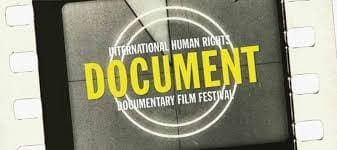
Glad Cafe, Glasgow will stage document 2026 across 21–22 February with daily screenings running from 12:00 to 16:00. The venue is easily reachable via local transit links on Sauchiehall Street and nearby bus routes, and ticketing logistics include advance sales on Eventbrite plus door sales; capacity management and access arrangements aim to ensure continuous turnover between sessions for a compact weekend schedule.
Tickets & Access
Ticketing is structured to maximise accessibility while supporting fundraising targets. Attendees should note the age advisory and concessions.
| Item | Details |
|---|---|
| Single screening | £5 |
| Weekend pass | £20 |
| Concessions | Free for asylum seekers, refugees, unwaged people, and anyone on benefits; no one turned away for lack of funds |
| Sales channels | Eventbrite in advance; tickets also available at the door |
| Age advisory | 15+ |
Purpose & Beneficiaries
The weekend doubles as a fundraiser: proceeds and donations will support two charities central to ongoing humanitarian crises. The festival explicitly pledges financial support to Medical Aid for Palestinians (MAP) and Alarm Phone, linking cinematic storytelling to grassroots relief and rescue initiatives.
📚 You may also like
Program: Films and Contributions
The lineup privileges first-person documentary work and collaborative filmmaking that foregrounds lived experience in conflict and displacement. Screenings combine finished features and artist-led shorts to offer varied pacing and perspectives across the two days.
This Jungo Life — directed by David Fedele
This Jungo Life is filmed inside the refugee encampments in Calais, France, and was shot in collaboration with displaced people. The film provides a first-person look at daily survival, mutual aid networks, and the dignity maintained under punitive border regimes.
My Dear Theo — directed by Alisa Kovalenko
My Dear Theo takes the form of a letter from a mother to her young son during wartime, blending frontline reportage with reflective narration. The film explores separation, fear and resilience through a parental lens.
The March of Hope — directed by Jim Kroft
Shot by a pair of friends who set off with minimal resources in January 2016, The March of Hope follows a journey through refugee reception points across Lesvos and the Balkans. The production documents both the practical realities of aid and the impact of border closures and criminalisation on mobility.
Fragments of Gaza — edited & directed by Basharat Khan
Fragments of Gaza assembles footage from various artists in Gaza into a compact, urgent running time. The piece foregrounds local visual testimony under persistent conflict conditions.
Who’s Listening? — by Ross Birell
Produced in collaboration with the Edward Said National Conservatory of Music (ESNCM) in Gaza, this artist’s film commemorates UN International Day of Solidarity with the Palestinian People and explores cultural resilience.
100 Symbols of Solidarity — by Euan Sutherland
100 Symbols of Solidarity is a collaborative art project mobilising symbolic gestures of support for Palestine through image and action.
A Conversation with America — by Jim Croft
Addressing the rise of populism and its social consequences, A Conversation with America examines political narratives and the advocacy of vulnerable communities within the United States.
Practical Notes for Attendees
- Arrival windows: Allow time for entry and seating between screenings; tight turnaround is expected.
- Accessibility: Organisers have emphasised inclusivity; those needing assistance are encouraged to contact the venue in advance.
- Donations: There will be on-site opportunities to contribute directly to the beneficiary organisations.
- Press & program queries: Advance enquiries should use official channels listed on Eventbrite.
Context and Brief History
Human rights–oriented documentary festivals have evolved as platforms where visual journalism, activist filmmaking and community-sourced footage converge. From the late 20th century onward, independent documentary events have increasingly connected civic advocacy with cinematic exhibition, enabling grassroots groups to reach wider publics while generating funding and campaigns. Festivals such as these often serve multiple functions: screening new work, fostering networks among filmmakers and NGOs, and providing spaces for post-screening discussion and civic engagement.
Festival Models and Community Impact
Small-format weekends like document 2026 frequently prioritise participatory programming and low-cost access policies to remove economic barriers to attendance. This model can increase civic reach, drive local volunteerism and channel resources directly to on-the-ground organisations. By foregrounding lived experience, these screenings can reframe discourse and influence public opinion in ways that have practical policy and fundraising consequences.
Forecast: Significance for Cultural Tourism
While the event is primarily civic and cultural rather than commercial, it contributes to Glasgow’s vibrant cultural calendar and can influence weekend visitor patterns, especially among audiences who travel for socially engaged art. Document-focused weekends can bolster local hospitality sectors—cafés, small venues and cultural walkability—and attract visitors seeking meaningful activities that combine film, activism and community. Over time, such festivals can form part of a city’s niche cultural itinerary, appealing to travellers interested in film, human rights and civic programming.
Logistical Ripple Effects
Expectation of consistent, low-cost access and a clearly defined schedule reduces friction for attendees who plan short cultural trips. For international visitors, the presence of charity-linked programming can be a deciding factor when choosing a cultural weekend; it aligns with increasingly values-driven travel preferences.
In summary, document 2026 at Glad Cafe offers two days of concentrated documentary screenings focused on refugee, conflict and solidarity themes, with accessible ticketing and a fundraising remit supporting Medical Aid for Palestinians (MAP) and Alarm Phone. The program features collaborative and frontline work by filmmakers including David Fedele, Alisa Kovalenko, Jim Kroft, Basharat Khan, Ross Birell, Euan Sutherland and Jim Croft, and is designed to combine film-viewing with civic engagement. For those tracking cultural events and their wider effects on Destinations and activities, the festival demonstrates how focused programming can intersect with community fundraising and tourism interest in themes ranging from solidarity and human rights to broader cultural itineraries that touch on leisure and outdoor pursuits such as beach visits, lake excursions or coastal walking. GetBoat is always keeping an eye on the latest tourism news — GetBoat.com — and will continue to monitor cultural events, their local impacts, and how they influence travel choices tied to sea, ocean and water destinations, marinas, clearwater bays and fishing or boating activities.


