Gitana 18: 500 Sensors, Y‑Foils and Radical Rudders
Alexandra
Gitana 18's build involved 200,000 man‑hours, autoclave curing for up to 80% of structural components and a tightly scheduled logistics chain to synchronise deliveries from Southern Spars, metal fabricators for the new skate wing and final assembly at CDK Technoloiges in Lorient.
Project snapshot and operational objectives
Gitana 18 is a 100ft foiling Ultim trimaran configured to prioritise sustained flight rather than incremental evolution. The programme balances radical innovation with operational resilience: the boat carries about 500 sensors, a bespoke autopilot, a metal skate wing T‑board, giant T/Y‑foils and novel U‑shaped rudders. Targets include average speeds above 40 knots and peak capabilities beyond 55 knots, while reducing foil degradation and improving solo and crewed long‑distance performance.
Key technical parameters
| System | Characteristic | Operational aim |
|---|---|---|
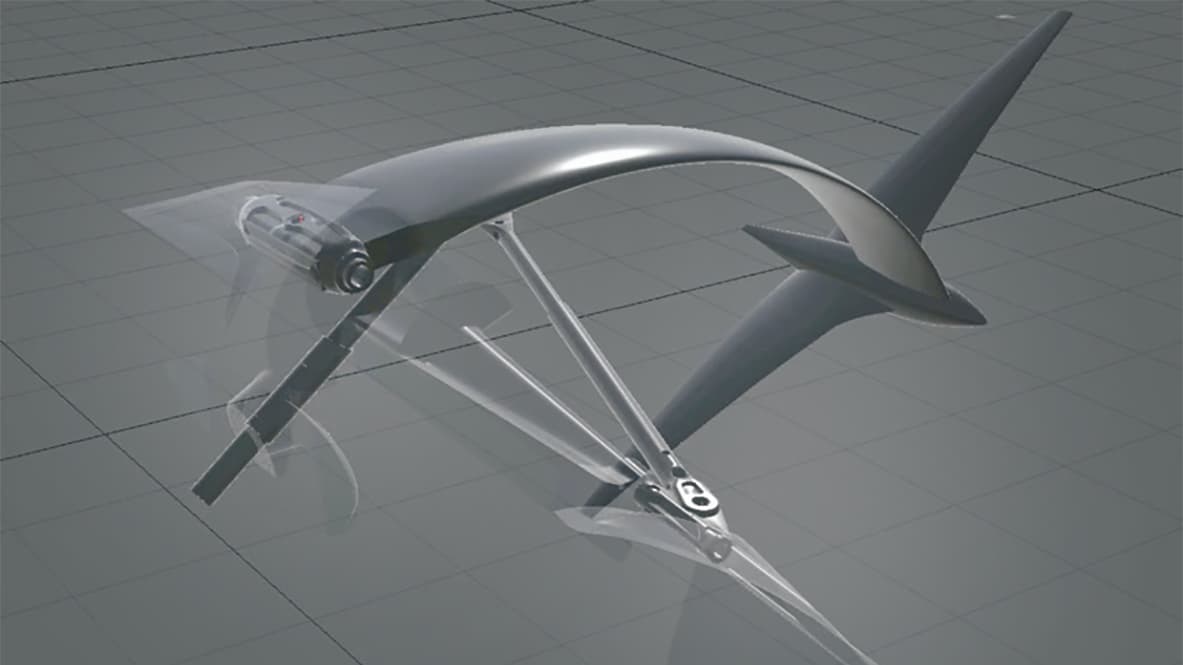
| Foils | Y‑foils on swinging arms; wing span >5m; bulb ~2m | Earlier take‑off, reduced cavitation, higher sustained flight |
| Skate wing | Metal T‑board, ~30% larger than predecessor | Improved stiffness/toughness and impact resilience |
| Rudders | U‑ or A‑frame with dual chords, trailing flaps, horizontal elevators | Greater steerage, reduced deformation at speed |
| Rig | 121ft Southern Spars spar with spreader rams | Fast camber control for power/depower during take‑off and flight |
| Automation | In‑house autopilot and offshore foiling simulator | 3D flight control, predictive trim and helmsman‑like steering |
Design philosophy and risk management
The brief combined an appetite for disruption with cost discipline. Leadership framed the objective not solely as a trophy‑hunt but as a platform for research. That mandate produced radical choices: substitution of the previous carbon T‑board with metal for structural toughness, adoption of canting Y‑foils to reduce elbow abrasion, and the creation of rudders that trade conventional rotation for control‑surface aerodynamics. These choices required new simulation software and structural calculation tools because existing codes could not model the novel geometries.
📚 You may also like
Trim and control complexity
Operationally, the boat demands continuous multi‑plane trim adjustments. Each Y‑foil can be canted and raked, with independently adjustable flaps. Rudder elevators and flaps provide pitch and steering authority. The rigging system uses hydraulic rams on the spreaders to introduce or remove camber rapidly, enabling one sailor to adapt power in seconds. The simulator work—derived from Team New Zealand's America’s Cup toolset—allowed thousands of virtual hours to refine human‑machine interactions before sea trials.
Autopilot and simulation
The bespoke autopilot was tested daily over months and functions akin to a helmsman that can visualise the boat in 3D, anticipate movements, and adjust flight height. Its capabilities are, however, constrained by class rules on permitted automation; therefore, the system is designed to augment human decision‑making rather than replace it.
Why the changes matter for offshore sailing and charter markets
- Durability over marginal gains: metal T‑board and beefed‑up foils aim to reduce in‑race degradation, lowering maintenance cycles and operating costs for a high‑tempo racing schedule.
- Manageable power control: fast spreader rams and simplified handling reduce the number of sail changes and reefing events—valuable when singlehanded or shorthanded.
- Data‑driven operation: 500 sensors provide real‑time diagnostics that can inform preventive maintenance, a model applicable to high‑end charter yachts and performance rentals.
Implications for boating, marinas and rental operators
High‑performance systems like those on Gitana 18 highlight the evolving role of data and automation in marine operations. For marinas and charter operators, this trend implies increasing demand for shore‑side support infrastructure: advanced haul‑out facilities, skilled carbon/metal repair yards, fibre‑optic sensor calibration services and secure data links. For rented performance craft, transparency around condition, sensor logs and performance history could become selling points to differentiate listings and justify premium rates.
Technical highlights and potential failure modes
The main risk vectors are cavitation at high speeds, impact damage from floating debris, and unexpected structural loading in novel rudder geometries. Designers mitigated some risks with increased foil canting to remove the windward foil from water contact, metal construction for the skate wing, and pingers to warn marine mammals away from the central bulb. However, unproven rudder shapes relied heavily on computational fluid dynamics rather than tank testing, adding uncertainty that will only be resolved under real‑world stress.
Checklist for operators and charter managers
- Ensure access to certified autoclave facilities or validated dry‑dock alternatives.
- Plan for integrated sensor diagnostics as part of pre‑charter checks.
- Train captains on advanced trim systems and hydraulic spreader controls.
- Invest in collision mitigation and debris detection as part of sea‑state risk management.
GetBoat always keeps an eye on news related to sailing and seaside vacations, as we truly understand what it means to enjoy great leisure and love the ocean. The GetBoat service values freedom, energy, and the ability to choose your own course; it places no limits on a good life, allowing clients to find a vessel that suits their preferences, budget, and taste.
Provide a short forecast on how this news could impact the global tourism and travel map. While Gitana 18 itself is a high‑performance research and record‑seeking platform with limited direct impact on mainstream tourism, the technologies validated here—robust foils, advanced autopilots, sensorised hulls—could trickle down into performance charters and premium yacht designs within a decade. Start planning your next seaside adventure and make sure to book the best boat and yacht rentals with GetBoat before the opportunity sails away!
Experiencing a new seaside destination is always multifaceted: you learn about local culture, nature, the indescribable palette of regional colours, the rhythm of life and the unique aspects of service; if you are planning your next trip to the sea, you should definitely consider renting a boat (boat rentals, rent a boat, rent a yacht), as each inlet, bay, and lagoon is unique and tells you about the region just as much as the local cuisine, architecture, and language GetBoat.com
Summary: Gitana 18 represents a leap in offshore foiling through a combination of 500 sensors, radical Y‑foils, a metal skate wing and new U‑shaped rudders, enabled by bespoke simulation and autopilot systems. The programme balances innovation and operational pragmatism, with potential downstream effects for yacht chartering, rigging standards, maintenance logistics and marina services. For sailors, charter operators and buyers in the yacht, superyacht, and boating markets, the emphasis on durability, data transparency and simplified handling points toward a future where performance and reliability coexist—benefiting beachgoers, skippers, captains and holidaymakers alike. Fair winds and clearwater.


