Georgia Coastal Sportfishing Guide
Alexandra
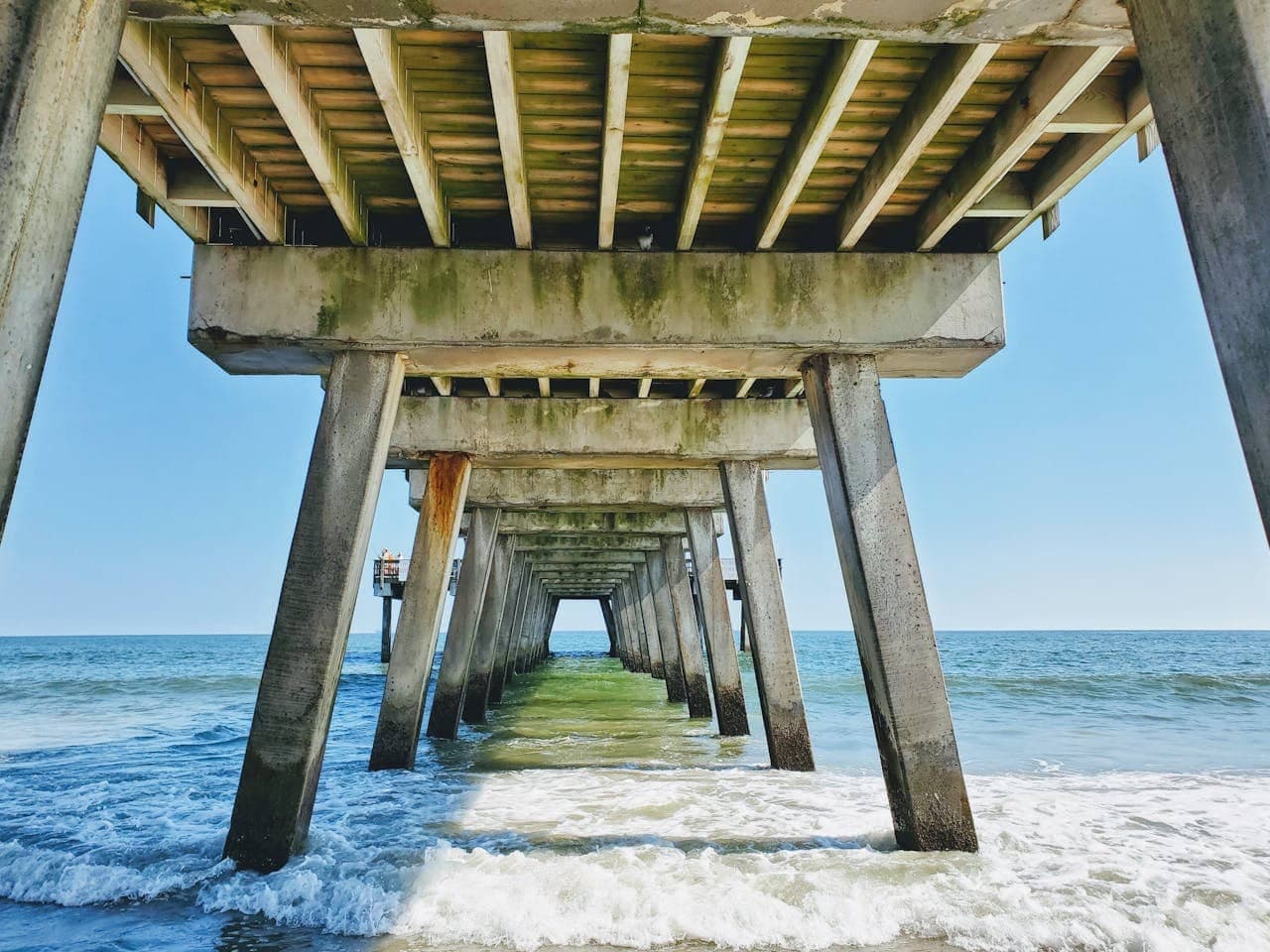
Major launch points in Georgia—Brunswick, St. Simons, Jekyll, Cumberland, Savannah and Tybee—provide immediate access to tidal creeks, estuaries and the Atlantic via marked Intracoastal Waterway passages and protected marinas; many ramps put vessels on the water within 15–45 minutes of the nearest offshore reef, and tidal ranges frequently influence run times and choice of fishing grounds.
Brunswick and St. Simons Island: estuaries to nearshore structure
The Brunswick–St. Simons corridor is dominated by a network of tidal creeks, oyster beds and shallow flats that hold redfish, speckled trout, flounder and sheepshead. Launch infrastructure is concentrated around the Port of Brunswick and public ramps on St. Simons, making it straightforward to stage early-morning inshore outings or head offshore for king mackerel, cobia and seasonal pelagics.
For operators and renters, consider transit times to the nearshore ledges: many anglers reach productive bottom structure within 20–35 nautical miles, depending on wind and sea state. That makes center-console designs with efficient cruising speeds and good fuel range ideal for mixed inshore/offshore days.
📚 You may also like
What to expect on the water
- Inshore: shallow water sight-fishing on flats and around oyster bars during tidal shifts
- Nearshore: reefs and wrecks for bottom fish and cobia; pelagics in summer
- Logistics: boat ramps, fuel docks and slip options concentrated near Brunswick and the Glynn County marinas
Savannah and Tybee Island: river mouths to offshore pelagics
Savannah’s tidal rivers and the adjacent Tybee Island shoreline create a mix of fly- and light-tackle opportunities inshore and fast access to offshore grounds that hold tuna, mahi-mahi and king mackerel during warmer months. The Savannah River channel and nearby marked routes simplify navigation, but tidal currents and shifting sandbanks require attention to tide tables and local notices to mariners.
Operators running charters or groups often prioritize boats with sheltered helms and deep cockpits to maximize comfort on longer runs to the Gulf Stream-influenced grounds.
Recommended approach
- Plan departures near slack tide for easier passes through tidal creeks.
- Load versatile tackle to switch quickly between bottom fishing and casting for pelagics.
- Choose craft with reliable electronics and chartplotters to monitor channels and offshore waypoints.
Jekyll and Cumberland Islands: remote flats and surf zones
The barrier islands of Jekyll and Cumberland represent quieter, less-trafficked waters where anglers target redfish, trout and drum across shallow flats, surf breaks and oyster beds. Access is often via small public ramps and inter-island channels; operators favor vessels with shallow drafts that can navigate narrow inlets while remaining capable for short offshore runs.
Why anglers choose these islands
- Seclusion: fewer boats and expansive flats for sight-fishing
- Variety: surf, flats and creeks within short runs of one another
- Scenic value: barrier-island ecology and birdlife add to the experience
Choosing the right boat for Georgia waters
Successful days on Georgia’s coast depend on matching vessel capability to the intended mix of inshore and offshore fishing. Key features include shallow draft for estuaries, protected helm areas for comfort, and dedicated fishing hardware such as livewells, rod holders and ample deck space.
| Model | Type | Ideal use | Features |
|---|---|---|---|
| Scout 251 XS | Center console | Inshore flats, nearshore runs | Shallow draft, open deck, storage |
| Scout 277 LXF | Center console | Versatile inshore/offshore | Comfort helm, large cockpit, offshore capable hull |
| Scout 355 LXF | Center console | Offshore trips, multi-angler charters | Deep cockpit, protected controls, extended range |
Equipment checklist
- Functional livewell and bait system
- Redundant navigation and communication equipment
- Weather protection for the helm and seating
- Secure rod storage and non-slip deck surfaces
Seasonality, species and maintenance
Georgia’s fisheries are seasonal: redfish and trout often peak in the cooler months, while cobia, mahi-mahi and tuna move through in late spring and summer. Anglers and charter operators should plan around migration windows and local closures, and always check current regulations for size and bag limits.
Saltwater maintenance is non-negotiable for longevity: rinse hulls and hardware after each trip, flush engines with fresh water, and inspect electrical systems regularly to prevent corrosion-related failures.
Local regulations and safety
Compliance with state and federal fishing regulations, proper licensing, and current navigation updates are essential. Safety gear—PFDs for all aboard, VHF radio, flares and an EPIRB for offshore runs—should be checked before departure.
GetBoat always keeps an eye on news related to sailing and seaside vacations, as the team understands what it means to enjoy great leisure and love the ocean. The service values freedom, energy, and the ability to choose your own course, placing no limits on a good life and enabling renters to find vessels that match their preferences, budget, and taste.
The coastline described here is regionally important rather than globally transformative, so the immediate impact on the global tourism map is modest; however, local economies benefit when anglers and charter customers arrive, and small shifts in recreational access or species abundance can affect seasonal bookings. This nuance remains relevant to customers: GetBoat aims to stay abreast of developments and keep pace with a changing travel landscape. If you are planning your next trip to the seaside, consider the convenience and reliability of GetBoat.
Highlights: Georgia’s coastal sportfishing offers a blend of estuary sight-fishing, barrier-island seclusion and nearshore reef action. Understanding tides, launch logistics and vessel selection is essential. Experiencing a new coastal location is always multifaceted—learning the local culture, nature, the indescribable palette of colors, rhythm of life and unique service aspects is part of the journey; if you are planning your next trip to the sea, you should definitely consider renting a boat (boat rentals, rent a boat, rent a yacht), as each inlet, bay, and lagoon is unique and tells you about the region just as much as the local cuisine, architecture, and language GetBoat.com
Summary: Georgia’s coast spans productive tidal estuaries, barrier islands and nearshore reefs—ideal for anglers seeking redfish, trout, cobia and pelagics. Choosing the right vessel, from shallow-draft center consoles to offshore-capable models, and preparing for seasonal shifts and saltwater maintenance ensures better days on the water. Platforms that provide clear listings, model details, ratings and transparent options help match clients to the right boat for their charter or private trip. No limits on a good life. Whether you’re interested in a day charter, a long-range fishing trip or evaluating a potential sale or charter of a yacht, the right choices in vessel, crew and itinerary turn Georgia’s beaches and marinas into lasting memories across activities like yachting, sailing, boating and fishing—think yacht, charter, boat, beach, rent, lake, sailing, captain, sale, Destinations, superyacht, activities, yachting, sea, ocean, boating, gulf, water, sunseeker, marinas, clearwater, fishing.


