Cutting Marine Fuel Use: 10 Practical Measures
Alexandra
Fuel economics at sea: immediate, measurable gains
Some planing motor cruisers can consume around 1 gallon per nautical mile at full cruise, while routine measures such as a pre-season hull clean and fresh antifouling can cut fuel demand by more than 8% over a season. Commercial routing practices demonstrate fuel savings of roughly 10% by selecting favourable wind and tide windows; when translated to leisure boating this can reduce fuel burn and improve ETA reliability.
Top ten practical actions to save fuel when motoring
- Keep the hull clean — remove slime and immature fouling early and apply quality antifouling to maintain a low-resistance hull surface.
- Inspect and protect stern gear — propeller, shafts, skegs and struts should be antifouled and checked for cavitation damage or dings.
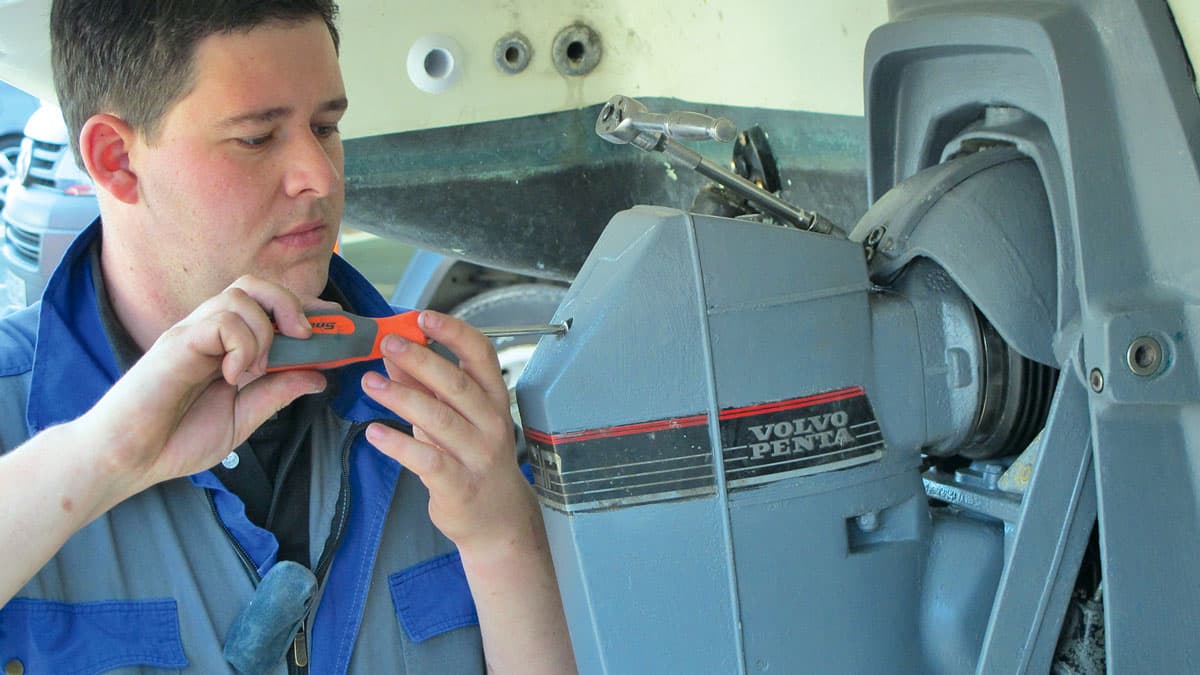
- Maintain engines and drives — regular oil, filter and impeller changes keep injection systems and gearboxes operating at peak efficiency.
- Choose the right propeller pitch — match pitch to preferred cruising rpm (typically around 70% of max rpm) to avoid over- or under‑revving.
- Trim hull and load distribution — optimise weight placement and use power trim/trim tabs to keep the hull at the best angle of attack.
- Reduce windage — stow biminis, sprayhoods and dinghies where possible for long head‑on passages.
- Minimise excess weight — carry only the water and fuel needed for the passage (keeping at least a 20% reserve) and lighten stores where feasible.
- Use weather routing — delay departure for favourable wind/tide combinations and use routing apps to find the path of least resistance.
- Consider stabilisers and interceptors — modern systems (fin, rotary, gyro, or interceptors) can preserve an economical trim and reduce wasted motion.
- Monitor consumption closely — fit fuel-flow sensors and use apps to log fuel burn against speed, rpm and sea state to detect drift from optimal performance.
Why routine maintenance matters
Marine engines typically run relatively few hours per year compared with road vehicles, which makes standing faults and corrosion from inactivity a disproportionate threat. A fuel-efficient system relies on clean filters, correct oil grades, healthy impellers and well-lubricated gearboxes. Neglected belts, clogged filters or damaged anodes can all increase fuel consumption and risk more expensive failures later.
Propeller selection and pitch tuning
Propeller sizing remains a nuanced calculation. Manufacturers’ performance curves indicate the most economical cruising point, often near 70% of maximum rpm. Overpitching causes lugging and dark smoke; underpitching lets the engine over‑rev without delivering speed. For long passages, fitting a propeller matched to your cruising load rather than maximum speed will usually save fuel. Newer designs such as the Sharrow high-torque propeller or self-pitching units like Brunton’s EcoStar can offer real-world gains on specific applications.
📚 You may also like
| Measure | Typical fuel saving | Notes |
|---|---|---|
| Hull cleaning & antifouling | 6–12% | Depends on season and fouling pressure |
| Weather routing | 5–10% | Works best for longer passages |
| Propeller/pitch optimisation | 3–8% | Match prop to cruising rpm and load |
| Trim and weight management | 5–20% | Highly variable by hull type and loading |
| Monitoring and diagnostics | Indirect | Detects faults early to avoid fuel loss |
Active systems: stabilisers, interceptors and digital monitoring
Advanced stabilisation and automatic trim systems now make more decisions in milliseconds than human operators can. Products such as Humphree Interceptors use rapid actuation to maintain optimal trim, while all-in-one systems from DMS combine trim tabs and stabilisation for smoother, more economical cruising. On the monitoring side, plug‑and‑play modules from Actisense and Maretron bring legacy analogue gauges into a digital dashboard; apps like Yacht Sentinel then track fuel flow, temps and performance trends in real time.
Route planning and weather intelligence
Running into wind and tide is one of the quickest ways to inflate fuel bills. Leisure skippers can borrow commercial practices by using routing apps (for example SailGrib integrations) to select windows where wind and tide are favourable. Even small timing shifts can turn a head sea into a beam reach and reduce engine load significantly.
Practical habits that compound savings
Small operational choices compound: stowing a dinghy, collapsing sunshades, and lightening stores all reduce windage and displacement; shopping for lower marina fuel prices or bulk deliveries reduces refuelling cost; trailboaters who top up at destination rather than carry full tanks save both on-road and on-water fuel. Keeping an eye on anodes, checking propeller alignment and addressing vibration early will prevent costly efficiency losses.
Buyers’ note: gear that soothes and saves
When considering purchases, weigh fuel-related benefits alongside comfort. Gyro stabilisers, interceptors, modern high-efficiency props and intelligent trim systems can reduce consumption and improve onboard comfort. For owners planning upgrades, total lifecycle costs, installation complexity and service access should guide the decision.
GetBoat always keeps an eye on news related to sailing and seaside vacations, as we truly understand what it means to enjoy great leisure and love the ocean. The GetBoat service values freedom, energy, and the ability to choose your own course, placing no limits on a good life and helping clients find vessels that match their preferences, budget, and taste. The platform lets users view make, model and ratings in advance and choose from options that suit a unique opportunity — whether it's a quiet day for two or a lively group outing.
Forecasting the impact of these fuel-saving techniques on the global tourism map suggests modest but tangible benefits: improved vessel efficiency and better routing can slightly reduce operating costs for charter operators and private owners, but it will not fundamentally reshape global travel flows. Nevertheless, the information is relevant to customers, and GetBoat aims to stay abreast of developments and keep pace with change. If you are planning your next trip to the seaside, consider the convenience and reliability of GetBoat.
Important highlights: reducing fouling and optimising prop pitch deliver measurable savings; correct hull trim and weight management can yield the largest single gains on planing craft; modern stabilisers and digital monitoring make consistent economy and comfort achievable. Experiencing a new location is always a multifaceted process — you learn about local culture, nature, the indescribable palette of colors and rhythms of life, and the unique aspects of the service. If you are planning your next trip to the sea, you should definitely consider renting a boat (boat rentals, rent a boat, rent a yacht), as each inlet, bay, and lagoon is unique and tells you about the region just as much as the local cuisine, architecture, and language GetBoat.com
In summary, sensible maintenance, careful loading and trim, considered propeller and stabiliser choices, and disciplined operational habits together deliver the best fuel economy. Whether you own a small outboard tender, a planing motor yacht or manage a charter fleet, these measures improve range, reduce operating costs and enhance enjoyment. Platforms that promote transparency in hull condition, engine hours and equipment — like GetBoat — make it easier to find and book the right vessel for beach weekends, lake cruises, superyacht charters or fishing trips, supporting better planning and more affordable, unforgettable yachting experiences across marinas, gulfs and open ocean.


