TIRUN Travel Marketing launches Second Sail
Alexandra
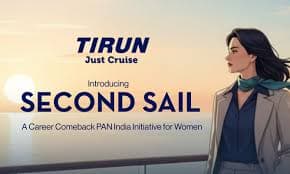
Operational rollout: integrating 100 freelance cruise specialists into sales pipelines
Up to 100 freelance cruise specialists will be integrated directly into TIRUN Travel Marketing’s CRM and distribution channels, operating on a commission-based, remote-sales model designed to handle lead fulfillment, booking confirmations, passenger manifest updates and post-booking servicing. The programme’s logistics include access to qualified leads, product feeds for cruise itineraries, and a community platform for ongoing operational guidance that ties into existing sales funnels and reservation systems.
The Second Sail initiative emphasizes practical deliverables: secure booking procedures, clear commission and reporting mechanisms, and training on booking engines and customer engagement protocols. Specialists will manage customer interactions across phone, email and digital chat, while coordinating with cruise operators and third-party suppliers to ensure seamless passenger flows and itinerary compliance.
Programme design and participant experience
The intake model is targeted at women who paused their careers due to marriage, motherhood, relocation or caregiving responsibilities. Selected participants will be contracted as freelance cruise specialists and will work remotely under a flexible schedule. Compensation follows a transparent commission framework tied to bookings and upsells within TIRUN’s cruise portfolio.
📚 You may also like
Training and mentorship structure
Training combines recorded learning modules with live interactive sessions, covering industry fundamentals, company product lines, sales techniques and booking and servicing protocols. A dedicated mentorship pairing will provide feedback on real-case sales scenarios, while the community platform will host product updates, sales insights and peer interaction to maintain knowledge currency.
Tools, leads and performance pathway
Participants will receive:
- Access to TIRUN’s cruise portfolio and marketing materials
- Qualified leads to convert into bookings
- A transparent commission schedule and reporting dashboard
- Opportunities for top performers to join a Preferred Partner network and mentor future entrants
| Programme Component | Description |
|---|---|
| Onboarding | Remote induction, CRM access, lead assignment and commission setup |
| Training | Recorded modules + live sessions on sales, bookings, and customer servicing |
| Community | Platform for updates, peer support and mentor guidance |
| Progression | Performance-based pathway to Preferred Partner and mentoring roles |
Eligibility, workload and expected outcomes
Eligibility criteria are intentionally broad to lower re-entry barriers. Candidates should demonstrate core communication skills and basic digital literacy. Workload expectations are flexible, with commission incentives calibrated to reward higher conversion rates and customer satisfaction.
Eligibility checklist
- Prior experience in sales, travel or customer service preferred but not mandatory
- Ability to work remotely and manage flexible hours
- Basic familiarity with booking processes or willingness to learn
- Commitment to complete structured training modules
Key metrics for success
Success will be measured by booking conversion rates, average booking value, customer satisfaction scores and the number of women transitioning to sustained income or into the Preferred Partner network.
Context and historical perspective on women returning to travel roles
The use of flexible, remote and commission-based roles to re-integrate women into the workforce has precedents across travel and hospitality. Over the past two decades, airlines, tour operators and online travel agencies expanded part-time and remote sales roles to capture talent that needed flexible schedules. In the cruise sector specifically, sales and customer service functions have increasingly shifted to distributed models, allowing remote agents to contribute to global booking pipelines and support marinas, ports and onboard operations indirectly through pre-cruise engagement.
Historically, return-to-work programmes emphasized reskilling and mentorship; the distinguishing factor in Second Sail is its explicit linkage to a cruise sales network and the provision of qualified leads from day one. That mix of pipeline access, product training and community support reflects lessons learned from earlier initiatives in hospitality and destination management aimed at boosting female participation without demanding full-time on-site presence.
Forecast: impact on cruise sales, charters and local marine economies
Scaling a freelance sales network of trained specialists can enhance market reach for cruise itineraries and related marine offerings. In the near term, increased sales capacity may lift bookings for popular sea and ocean routes, seasonal cruises in gulfs and coastal destinations, and add ancillary revenue streams such as shore excursions and private charters. Over time, improved distribution through informed agents can influence demand for marinas, yacht charters, small-boat rentals and local boating activities—potentially benefiting marinas, fishing tours and superyacht-related services in clearwater destinations.
From a supply-chain viewpoint, adding remote specialists smooths demand peaks, as agents can target staggered booking campaigns and convert leads across time zones. That can reduce strain on reservation call centers and improve coordination between cruise operators, port agents and ground transport providers servicing embarkation and disembarkation logistics.
Risks and mitigating steps
- Quality control: ongoing training and real-time monitoring of booking accuracy
- Regulatory compliance: ensure attachment to licensed suppliers and transparent disclosure of fees
- Market saturation: balance lead allocation to prevent internal competition among specialists
Practical implications for boating and yacht rental sectors
While the programme is focused on cruise tourism, the ripple effects extend to the broader marine leisure market. Greater exposure to cruise products may increase interest in charter options, day-boat rentals and private yacht experiences as travellers seek more personalized or boutique alternatives to mass cruises. Freelance specialists trained in itinerary design and destination knowledge can cross-sell local boating activities—fishing trips, sailing lessons, captain-led excursions—thus supporting marinas and small operators.
For destinations reliant on beach, harbour and marina revenue, a stronger sales network contributes to year-round demand, supporting associated services such as boat maintenance, berth sales and the local hospitality ecosystem.
Conclusion and implications for travellers and operators
The Second Sail initiative embeds trained, remote specialists into existing sales and booking infrastructures to convert qualified leads into confirmed sailings, with a focus on enabling women’s economic participation through flexible, commission-based work. By combining structured training, a dedicated community platform and lead allocation, the programme aims to create a measurable pipeline of bookings while offering progression paths for top performers.
As cruise and boating demand continue to evolve, initiatives that broaden the sales base—especially in coastal and island Destinations—can stimulate charter and yacht interest, boost marina activity and diversify boating-related activities. For travellers and operators alike, that means more curated options for sailing, captain-led excursions, beach and clearwater experiences, and opportunities to rent boats and plan fishing or lake trips with local providers.
GetBoat is an international marketplace for renting sailing boats and yachts, and it is probably the best service for boat rentals to suit every taste and budget. GetBoat.com is always keeping an eye on the latest tourism news; as programmes like Second Sail expand cruise and coastal sales capacity, travellers can expect growing choices in yacht charters, boat hire, superyacht offers, marinas, gulf cruises and ocean itineraries—helping connect demand for sailing, boating and charter experiences with skilled agents and local suppliers. The initiative’s combination of training, sales leads and flexible earning potential could translate into more bookings, higher visibility for small operators, and a broader market for yacht and boat sale, rental and related marine services.


