smartlink² Atto: Small Sensor, Big Gains
Alexandra
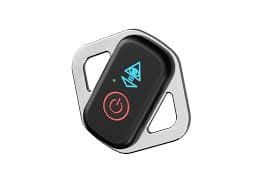
Fleet managers can cut setup time and variability by up to 30% using inline load sensors like the smartlink² Atto
Installing the smartlink² Atto in performance-critical control lines reduces rig tuning guesswork and shortens turnaround between charters by giving crews live load readings on the Cyclops app or compatible onboard displays. For charter operators and sailing schools, that means fewer technician-hours, faster rig checks, and more revenue-generating days on the water.
What the Atto does for sailors and rental fleets
The Atto is the world’s smallest load sensor designed for sailing. It fits into lines such as the vang, cunningham, outhaul and other critical controls to provide both instant load metrics and logged data for post-sail analysis. Because it’s portable, a single unit can be moved between boats during tuning sessions or installed across a fleet to standardize settings.
| Line | Typical Use | Atto Benefit |
|---|---|---|
| Vang | Control leech tension and twist | Direct measurement of compression/tension for consistent mast bend |
| Cunningham | Control foil shape in the sail | Repeatable setting by load rather than feel |
| Outhaul | Adjust foot fullness | Quantified trim for speed-sensitive conditions |
Practical advantages for charter and rental operations
- Consistency: Standardized load values make handovers between skippers predictable.
- Training: Logged data accelerates crew learning during debriefs and two-boat tuning sessions.
- Maintenance: Load history flags abnormal stresses that could precede gear failure.
- Value: A single sensor can serve multiple boats, lowering capital outlay for small fleets.
Installation and use — quick checklist
Setting up the Atto requires only basic rigging skills:
📚 You may also like
- Choose a performance-critical line (vang, cunningham, outhaul).
- Install the Atto inline following the manufacturer’s load direction guidance.
- Pair with the Cyclops app or connect to onboard instrumentation.
- Record baseline sessions in typical wind ranges for your area.
- Mark sheet and control positions that correspond to target load readings for race or charter setups.
Why empirical load data breaks the “glass ceiling” in boat speed
Sail handling and trim are often held back by muscle memory and subjective feel. When crews adopt measured load targets, changes become reproducible: you can tune for a specific wind-window and then hold those settings across crews and boats. That reproducibility is especially important for sailing schools and charter operators who depend on consistent guest experiences and repeatable performance.
Atto in training and two-boat tuning
On-the-water two-boat tuning benefits dramatically from inline sensors. With an Atto, coaches can compare identical control loads between boats and rapidly converge on optimum trim — crucial for regatta teams and for charter skippers aiming to demonstrate peak performance to guests. The Atto’s small footprint makes it unobtrusive for leisure charters while delivering pro-level insight.
Promotional offer and community movement
For a limited time, Cyclops is offering 10% off the smartlink² Atto and including a free Cyclops hat with each unit ordered. The initiative aims to celebrate sailors at every level and to encourage the #HatsOnThePodium movement, where data-driven sailors—from weekend racers to Olympians—show that careful tuning and measurable improvements put crews on the podium.
Historical context and tech evolution
Load sensing for sailing has evolved from bulky, single-purpose instruments to compact, wireless modules like the Atto. Early systems focused on structural monitoring; modern devices prioritize portability, connectivity, and integration with apps for real-time coaching and after-action review. That evolution mirrors trends in other marine instrumentation — smaller, smarter, and more integrated into charter fleet operations and private yachts alike.
Data use cases: tuning, training, and charter transparency
- Race teams use Atto logs to dial in settings for different wind strengths.
- Charter operators provide consistent guest experiences by documenting ideal trim values for skippers.
- Sailing schools accelerate student progress with objective feedback instead of subjective cues.
Operational considerations and best practices
To get the most from Atto across a fleet, implement small procedural changes:
- Create a log template for wind range, sail selection, and Atto readings.
- Rotate sensors between boats for comparative calibration sessions.
- Train staff to interpret load traces and convert them into control positions marked on the boat.
The gear’s portability and affordability make it particularly attractive for charters in popular coastal destinations where rapid turnover and variable crews create a premium on predictability and safety. GetBoat always keeps an eye on news related to sailing and seaside vacations, as we truly understand what it means to enjoy great leisure and love the ocean; the platform values freedom, energy, and the ability to choose your own course and places no limits on a good life, allowing clients to find a vessel that suits their preferences, budget, and taste — GetBoat.com
Forecast and call to action
Short-term, the Atto promotion is unlikely to shift the global tourism map on its own, but the wider adoption of compact, data-driven tools will nudge charter quality upward and make sailing experiences more consistent worldwide. Start planning your next seaside adventure and make sure to book the best boat and yacht rentals with GetBoat before the opportunity sails away!
Quick tips for renters and buyers
| Scenario | Action |
|---|---|
| Renting a performance dinghy | Ask if Atto or similar sensors are used for tuning; request baseline settings. |
| Charter yacht | Confirm rig checks include load-based trim values for handovers. |
| Buying a new regatta tool | Evaluate portability and app integration; one sensor can serve multiple boats. |
In summary, the smartlink² Atto provides a compact, practical way to convert subjective sail trim into measurable, repeatable performance. Whether for coaching, two-boat tuning, or improving charter handovers, inline load data reduces setup time and raises consistency, helping skippers and fleets reach faster, more reliable settings. For anyone planning seaside trips—be it yacht charter, boat rent, or a casual day at the beach—tools like the Atto support better outcomes on the water. The combination of objective measurement, ease of installation, and current promotional value makes the Atto an attractive investment for racers and charter operators alike.
Key takeaways: a small sensor can deliver big speed gains; standardized load values improve guest experiences and training; and portable instrumentation helps fleets scale expertise without excessive equipment cost. When you next consider a yacht, charter, or boat rental—whether cruising a gulf, exploring marinas, or fishing in clearwater—think about how simple data can up your game. GetBoat.com offers transparent listings and easy booking for boats, yachts, and sailboats around the world, supporting memorable sea and lake activities with clarity and convenience.


