Finsulate: Velvet-Like Antifouling for Boats
Alexandra
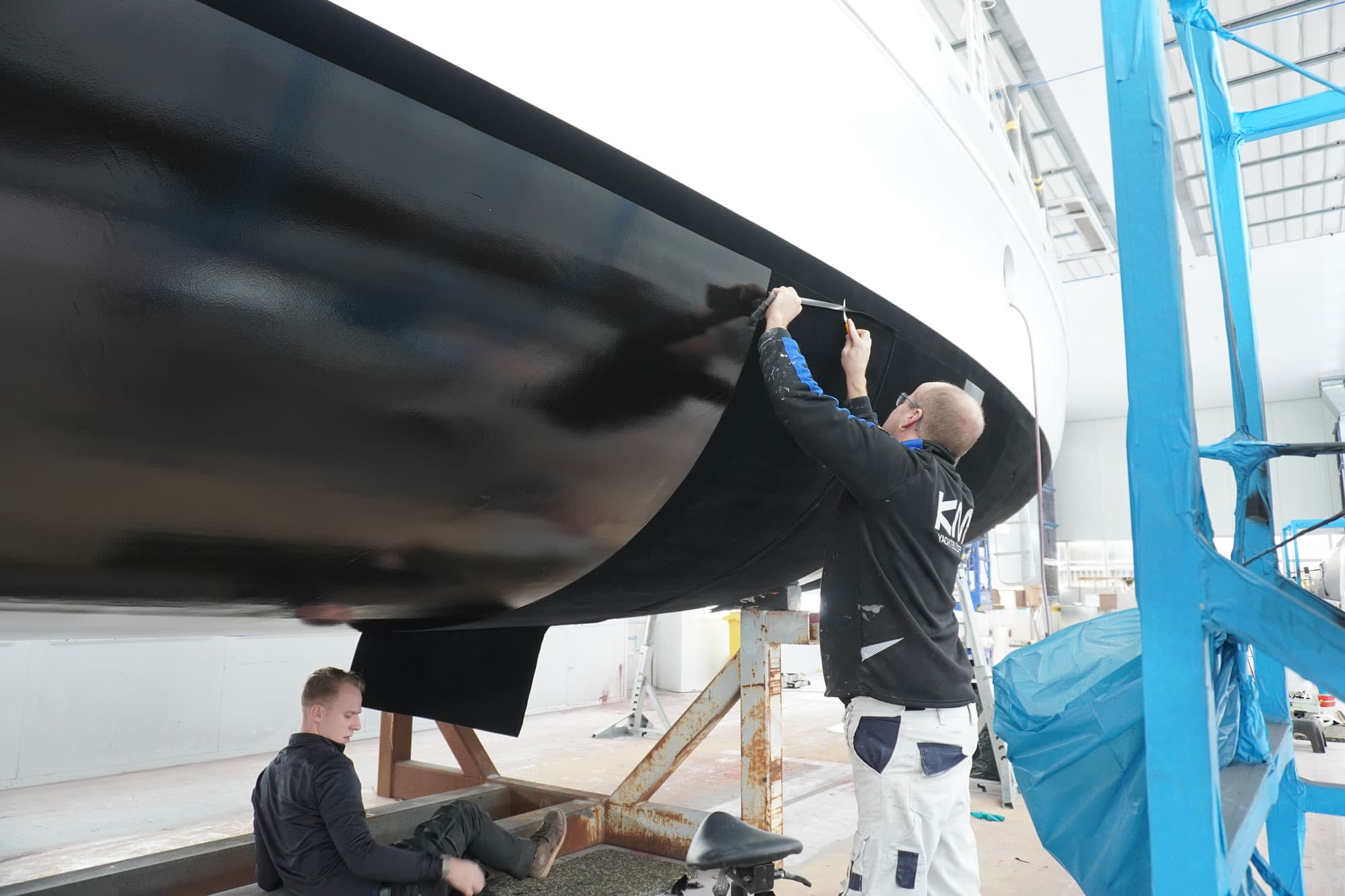
About 900 vessels worldwide have been fitted with Finsulate, many exceeding a decade in service without replacement, and yards report significant reductions in haul-out frequency and hazardous waste handling when the membrane is applied over a standard 2-part epoxy primer.
How the fleece-like membrane changes yard logistics
Installation is handled like large-scale wallpapering: rolls are cut, heat-assisted removal leaves the underlying epoxy intact, and routine cleaning often requires only a pressure wash or a brush. For commercial operators this translates into fewer blocked drydock slots and faster turnaround—critical when every day in port is a cost line on an invoice. Because Finsulate doesn’t shed paint chips, marinas and service yards can largely dispense with specialized containment systems and hazardous-waste collection for these boats.
Quick facts for service managers
- Application surface: 2-part epoxy primer
- Replacement: Remove with moderate heat and peel in sheets
- Typical lifetime: >10 years for earliest installations
- Common fleet types: recreational sailboats, displacement yachts, some commercial floating assets
Material science and on-water performance
Finsulate is an adhesive-backed polyester membrane with a flocked nylon exterior. The concept came from a simple biological observation by Rik Breur: textured or spined surfaces discourage attachment. The short nap fibers prevent organisms from getting the purchase they need, while remaining fully submerged so displacement hulls see negligible speed penalty. That said, fast planing boats can experience up to a 25% loss of top speed with the shortest nap option when air becomes entrained at the running surface.
📚 You may also like
Nap length and recommended uses
| Nap length | Best use | Performance note |
|---|---|---|
| Short | Displacement yachts, most sailing boats | Minimal drag; planing hulls may lose top speed |
| Medium | Workboats, slow planing craft | Balanced fouling protection and hydrodynamics |
| Long | Pilings, floats, aquaculture barges, static structures | Optimized for static immersion; not for performance craft |
Step-by-step application and repair
Professional applicators are trained to cut and fit the film over prepared bottoms. The common workflow looks like this:
- Haul and inspect hull; repair any structural defects.
- Apply a standard 2-part epoxy primer and allow cure.
- Measure, cut, and fit Finsulate panels; use heat to form and bond edges.
- Trim flush and test for secure adhesion.
Repair is akin to carpet patching: cut out damaged area, remove with heat, fit an oversized replacement patch, and trim the edges flush. Simple and low-tech compared with blasting, scraping, and repainting.
Maintenance advantages for boat owners
- No annual toxic paint application—fewer hazmat suits and less environmental compliance paperwork.
- Fast spring launches: often zero hull prep required.
- Less downtime for commercial fleets and superyachts moving through multiple jurisdictions with varying antifouling rules.
Challenges: training and market acceptance
Adoption hinges on trained applicators and convincing yards to change long-standing routines. Bernard Hidier of Finsulate USA notes that once painters see how the membrane fits, they adopt it quickly—“painters get it right away.” Still, some yards and charter operators remain cautious until they observe long-term field results across diverse waters and operating profiles.
Operational considerations for charter fleets and marinas
- Charter and rental fleets benefit from reduced turnaround time between clients.
- Marinas gain lower contamination risk from paint chips and runoff.
- Superyacht managers appreciate compliance simplicity when cruising international waters that limit copper- and tin-based coatings.
Real-world wins and tradeoffs
Owners report big wins on labor and waste disposal. For a captain overseeing a busy charter schedule, shaving even a day off maintenance means more revenue days on the water. On the flip side, racing skippers or operators of high-speed tenders should weigh the potential speed penalty for planing craft before specifying the membrane.
For those who love being on the water, Finsulate feels like a small revolution—less mess, less stink, and more time to sail. As one yard technician muttered after his first install, “It’s a breath of fresh sea air.”
In summary, the flocked Finsulate membrane offers a durable, non-toxic alternative to traditional antifouling paints with clear operational benefits: fewer haul-outs, simplified waste handling, easy repairs, and long service life. It’s especially compelling for displacement yachts, charter fleets, marinas, and floating infrastructure where reduced downtime and environmental compliance matter. While high-speed planing craft should evaluate drag implications, for most yacht, boat, and superyacht owners the tradeoffs favor cleaner, faster returns to the sea. Whether you run a rental charter, manage marinas, captain a yacht, or are scouting sale and maintenance strategies for a fleet, Finsulate has the potential to change how we think about antifouling—helping keep our beaches, marinas, clearwater bays, lakes and gulfs cleaner, and making boating, sailing, yachting, fishing and other water activities easier for captains, crews and vacationers alike.


