Women’s team rounds the world on IDEC SPORT trimaran
Alexandra
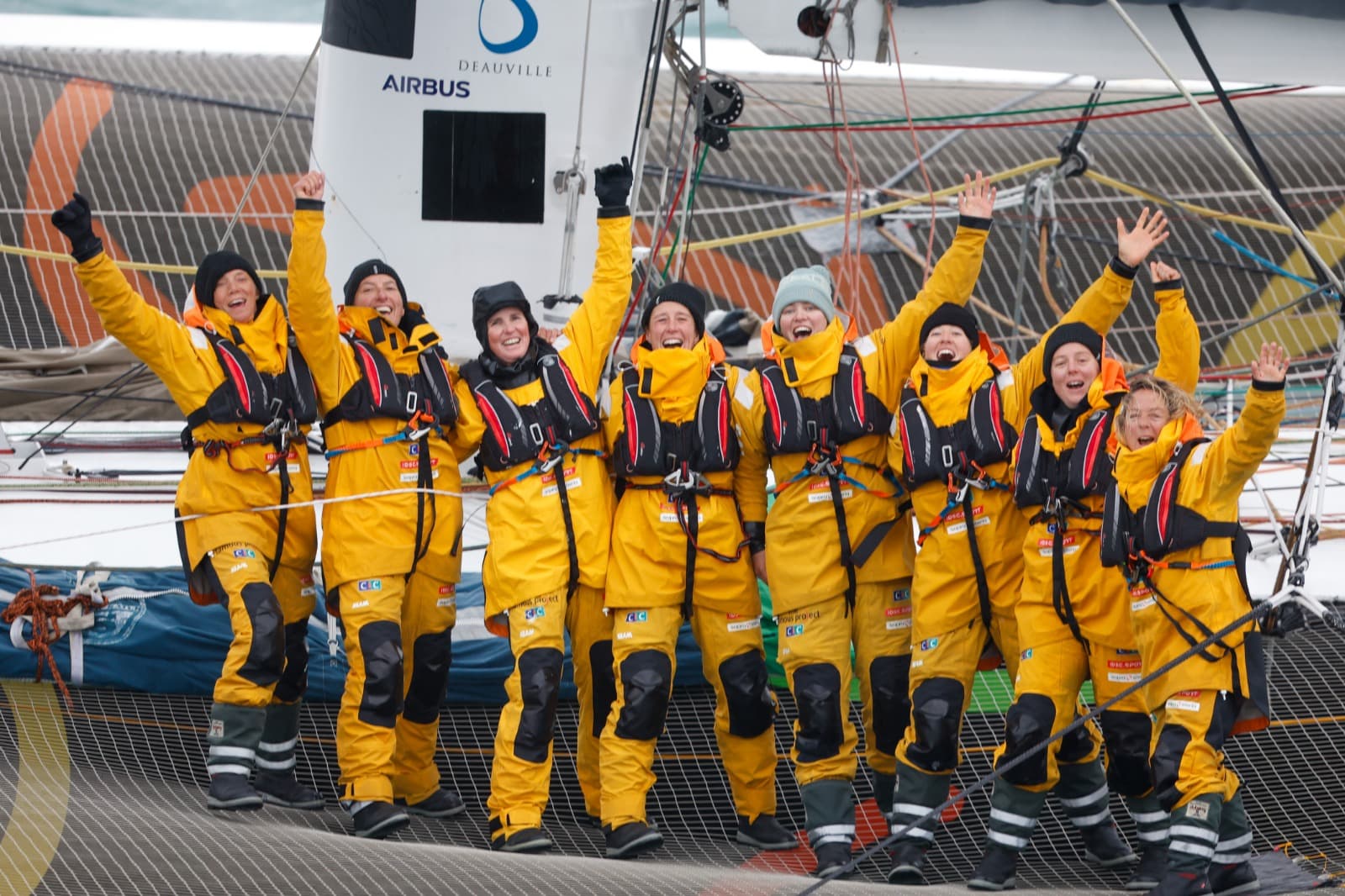
The Famous Project CIC’s maxi trimaran IDEC SPORT completed a non-stop circumnavigation in 57 days, 21 hours, and 20 minutes, a performance that has immediate implications for race logistics, emergency provisioning, and support-vessel protocols deployed for high-speed multihull campaigns. The Jules Verne Trophy start near Ushant on 28 November 2025 set a strict calendar for port support teams, weather-routing services, and spare-part caches that had to be optimised across the Atlantic, Indian, Pacific and South Atlantic legs to match the crew’s aggressive average speeds and rapid transitions between meteorological regimes.
The voyage in figures
| Leg | Key dates | Miles covered | Avg speed |
|---|---|---|---|
| Ushant to Equator (first crossing) | 28 Nov – 7 Dec | ~? miles | controlled, watch-led |
| To Cape of Good Hope | Dec (17th day) | ~8,000 nm | >19 knots |
| Indian Ocean to Cape Leeuwin | Mid–late Dec | fast pace; 700 nm/24h max | up to 27 knots |
| Trans-Pacific | Late Dec – early Jan | 3,800 nm | consistently >550 nm/day |
| Cape Horn to finish | 6 Jan – finish | ~16,000 miles total to that point | variable; strong south atlantic legs |
Composition of the crew and operational rhythm
The all-female watch team consisted of Alexia Barrier, Dee Caffari, Annemieke Bes, Rebecca Gmür Hornell, Deborah Blair, Molly LaPointe, Támara Echegoyen, and Stacey Jackson. A strict rotation of three-hour shifts became the backbone of onboard operations, reducing human fatigue risk and enabling focused sail-handling windows for routine maintenance and emergency repairs during calmer periods.
Notable milestones
- Equator crossed twice (early and on day 48).
- Cape of Good Hope passed on day 17.
- Cape Leeuwin crossed at Christmas time; heavy 24-hour runs recorded.
- Cape Horn rounded on 6 January — first time an all-female crew achieved this in a non-stop multihull race.
Key challenges and technical incidents
The campaign combined routine long-distance seamanship with a sequence of mechanical and environmental adversities that illuminate planning requirements for both offshore racers and charter operators:
📚 You may also like
1. Mainsail hook jam
A custom titanium headboard hook intermittently jammed, forcing full sail drops each time the crew reefed. This repeated manoeuvre consumed hours and increased exposure to weather during critical sail changes, underscoring the need for redundant fittings and on-board fabrication capability for long-distance voyaging.
2. Fishing gear entanglement and foil problems
A large fishing net fouled the starboard foil, dropping boat speed from 30 knots to 5 knots and leading to a temporarily stuck foil in the down position that later contributed to loss of autopilot capability when that foil was finally lost. This incident highlights the hazard of marine debris for foil-driven multihulls and the operational impact on autopilot-reliant watch systems.
3. Severe Southern Ocean weather and sail failures
During the trans-Pacific run and rounding Cape Horn, the crew faced waves exceeding 8 metres and gusts over 50 knots. A leech tear in the mainsail was repaired improvisedly on deck, but after 55 days the mainsail exploded, removing a primary propulsion surface and increasing the physical and navigational burden on the watch team.
Route tactics and meteorological decisions
Key routing decisions were dominated by two constraints: avoiding violent lows in the Southern Ocean and finding favourable wind angles while preserving the craft. The team used a northerly deviation at times to skirt centred depressions and to benefit from the Agulhas Current’s push past the Cape of Good Hope, then worked south for the stronger westerlies that powered fast transits to Cape Leeuwin and across to Cape Horn.
Lessons for charter operators, skippers and sailors
- Redundancy matters: Multiple ways to reef, steer and control sail plans reduce single-point failures that can cascade into long delays.
- Onboard fabrication and spares: Titanium fittings, spare sail panels, and foil-retrieval tools are essential for extended blue-water passages.
- Debris avoidance protocols: Watch teams should be trained to detect and react to nets and floating gear to minimise damage.
- Fatigue management: Structured watch systems are critical for safe long-distance charters and competitive attempts alike.
Implications for rentals, charters and leisure boating
High-profile feats like this shift expectations in the yachting market about what multihulls can achieve and how crews operate under pressure. For charters, lessons translate to better pre-charter briefings, more robust safety equipment lists, and clearer descriptions of vessel capabilities. Recreational sailors and those looking to rent a boat benefit from knowing which platforms and models can handle offshore conditions and which require experienced captains.
GetBoat always keeps an eye on news related to sailing and seaside vacations, because we understand what it means to enjoy great leisure and love the ocean. The platform values freedom, energy, and the ability to choose your own course, placing no limits on a good life while helping clients find a vessel that suits their preferences, budget, and taste.
Practical advice for charterers
- Choose a vessel with recent maintenance records and clear information on equipment (foils, autopilots, sail inventory).
- Consider booking an experienced captain for blue-water passages or exposed coastal legs.
- Request transparent documentation on prior offshore use, safety gear, and emergency plans.
Provide a short forecast on how this news could impact the global tourism and travel map. If it's insignificant globally, please mention that. However, it's still important to us since GetBoat aims to stay updated with all developments and keep pace with the changing world. Start planning your next seaside adventure and make sure to book the best boat and yacht rentals with GetBoat before the opportunity sails away!
The achievement of The Famous Project CIC highlights several important and interesting aspects of long-distance sailing: human endurance, equipment resilience, and the fine balance between speed and safety. Experiencing a new location is always a multifaceted process, where one learns about the culture, nature, the indescribable palette of local colors its rhythm of life and also the unique aspects of the service. If you are planning your next trip to the sea, you should definitely consider renting a boat (boat rentals, rent a boat, rent a yacht), as each inlet, bay, and lagoon is unique and tells you about the region just as much as the local cuisine, architecture, and language GetBoat.com
In summary, the non-stop circumnavigation completed by an all-female crew aboard IDEC SPORT demonstrates both the potential and the risks of modern multihulls: exceptional daily mileages, tight logistical support chains, and the pressing need for redundancy and onboard repair capability. For sailors, charterers and buyers, the takeaways are clear — verify maintenance, choose experienced crews or captains, and prioritise vessels with documented offshore readiness. Platforms like GetBoat.com provide a transparent, global marketplace to find and book vessels for sailing, yacht charter or sale, compare marinas and equipment, and plan activities from clearwater bays to open ocean adventures — ensuring your next boating experience, whether a calm lake cruise or a spirited ocean passage, is organised with confidence and convenience. Book smart, sail safe, and enjoy the sunseeker moments that only the sea can offer.


