Extra/Ordinary Women — Dickens' Hidden Circle
Alexandra
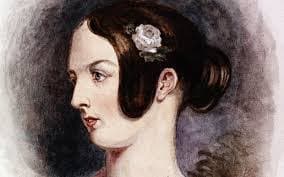
The exhibition Extra/Ordinary Women at the Charles Dickens Museum runs until 6 September 2026, open Wednesday–Sunday; ticket prices are £12.95 (adult), £10.95 (concession) and £7.95 (children 6–16). Visitor capacity is managed by timed entry and small-group circulation through the Georgian townhouse to protect fragile letters and objects, and the estate administration records show Georgina Hogarth acted as Dickens’ executor, responsible for which documents stayed public.
Key figures on stage and off
The show focuses on the women orbiting Charles Dickens rather than the fictional women in his novels. Those named in displays and labels include Catherine Dickens (his wife), Georgina Hogarth (sister-in-law and long-term household manager), daughters such as Mamie Dickens, and the actress Ellen Ternan. Letters and contemporary accounts also bring in correspondents like the singer Pauline Viardot, and the biographer Frederick Kitton. Portraits and literary snippets reference salons at places associated with painters such as Ary Scheffer.
Who did what — roles in the household and legacy
The exhibition reconstructs household logistics: who kept house, who raised children, who edited private papers. Georgina Hogarth stayed in the family home after Dickens and Catherine separated and later acted as joint executor for Dickens’ estate—valued at the time at approximately £93,000. That fiscal and administrative responsibility made her a gatekeeper for the author’s legacy, deciding which letters were preserved, published, or withheld.
📚 You may also like
People and practical outcomes
- Georgina Hogarth — household manager, executor, editor of selected correspondence.
- Catherine Dickens — estranged wife, excluded from the restored public narrative in many posthumous editions.
- Ellen Ternan — long-term companion; relationship dynamics highlighted against Victorian expectations.
- Mamie Dickens — daughter whose life and ill health (alcohol-related death) are placed in context of family pressures.
Letters, edits, and curatorial choices
Case studies of letters on display show literal stitching and pasted insertions made when Georgina and Mamie prepared select publications in the 1880s. Panels demonstrate editorial decisions: sensitive family matters excised, private references made to “flow” after publication, and selective airing of flattering anecdotes. Visitors can see how a literary estate's editorial logistics reshape public memory: not fiction editing, but archive management in practice.
| Exhibition | Dates | Opening | Tickets |
|---|---|---|---|
| Extra/Ordinary Women | Now – 6 Sep 2026 | Wed–Sun | Adults £12.95; Conc. £10.95; Children £7.95 |
Questions the displays pose
The curated objects raise practical and ethical questions: how should biographers balance privacy and public interest? Who has the right to edit a writer’s private correspondence for posterity? The exhibition doesn’t hand out tidy answers, but uses real documentation to show the consequences of those editorial choices.
Visitor takeaways and surprising human detail
What stands out is the exhibition’s insistence on complexity. These women were neither idealised saints nor mere plot devices; they were managers of money, memory and reputation. The show highlights the strain of Victorian morality—how Dickens’ own expectations of female behaviour contrasted with his conduct in private, especially regarding Ellen Ternan. There are poignant moments: a letter full of praise to Pauline Viardot, and recollections of tears exchanged at readings—evidence of emotional reciprocity, not just adulation.
Why this matters beyond the museum walls
Understanding these mechanics — household roles, estate decisions, editorial trimming — changes how readers approach Dickens’ novels. It also shifts how cultural tourists plan visits: some pair museum stops with river cruises or private charters on the Thames, turning a literary day out into a broader leisure itinerary. Don’t be surprised if you see groups combining marinas, guided walks and museum entries in one go—heritage tourism runs on logistics as much as curiosity.
In short, Extra/Ordinary Women restores texture to the lives around Dickens: women who ran households, curated his posthumous image, endured personal cost, and left an edited legacy. The show blends archival mechanics with intimate stories, leaving visitors to reckon with the gap between printed persona and private life.
Summary: The exhibition lays out the practical facts—dates, ticketing rules and archival edits—while revealing the human cost behind a great writer’s public image. The women in Dickens’ circle were caretakers of children and reputation, editors of correspondence and custodians of estate decisions. Whether you come for the letters, the house, or as part of a wider trip that might include a yacht charter, a boat rent from nearby marinas or a river cruise, the displays remind us that literary legacy is shaped by real people. These stories connect to wider Destinations and activities: day trips, sailing and boating, even superyacht or small-boat visits to cultural sites; think captain-led tours, clearwater harbour strolls, beach and gulf excursions—because culture and travel often go hand in hand. In the end the takeaway is the same: no rose-tinted view, just real, flawed, inspiring women who helped shape a writer’s world and his afterlife.


