Exploring the Rich Culture of Minnesota - Traditions, Festivals, and Local Heritage
Alexandra
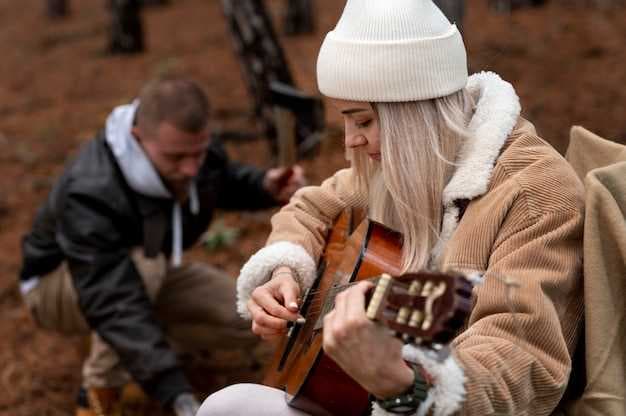
Minnesota, the North Star State, stands out as a vibrant tapestry woven from the diverse backgrounds of its inhabitants. Its rich culture is a testament to the collective histories of various immigrant communities, including the Norwegian-American and Polish populations, who have brought their unique traditions to this land. The state’s cultural heritage, reflected in its traditions and festivals, offers a remarkable exploration of Minnesotan identity, providing insights into the values and customs that thrive in communities across the region.
In Minneapolis-Saint Paul, known as the Twin Cities, the celebration of cultural diversity is a year-round affair. Numerous festivals draw attention to the state’s multicultural fabric, where events highlight everything from the artistic prowess showcased in musical nights to the culinary delights derived from various cultural heritages. For instance, during the cold days of February, residents participate in the annual Winter Carnival, which includes ice sculpting and winter sports, capturing the essence of Minnesotan outdoor life while paying homage to local history.
As you venture into different parts of Minnesota, you will encounter rich narratives that reflect the past and present. Guides specializing in local heritage can provide ample insight into events and beliefs that have shaped communities. Whether it is a historical account of Colonel Thomas Marshall or the tale of Joseph Pfannenstein, who took part in the aftermath of major events that defined the state, these stories are deeply embedded within the cultural landscape. Engaging with these local legends not only enhances tourism but also ignites a true appreciation for the history buried beneath the surface of everyday life.
📚 You may also like
Understanding Minnesota's Indigenous Roots
Minnesota's rich cultural identity is deeply rooted in its Indigenous heritage. Long before the arrival of Anglo-Saxon settlers, Native American tribes thrived in this region, each with unique languages, traditions, and histories. These tribes, including the Dakota and Ojibwe, maintained harmony with the land and developed intricate systems of trade, social organization, and spirituality.
The significance of place names in Minnesota often stems from Indigenous languages. For instance, “Minnesota” itself is derived from a Dakota word meaning “cloudy water.” This linguistic connection reflects the deep relationship Indigenous peoples have with the natural environment, utilizing it for sustenance and ceremony. Visitors to the state may find that learning these words is essential to understanding the Indigenous perspective and values.
Over the years, waves of immigration, including Irish-American and Scandinavian communities, interacted with Indigenous peoples. This blend fostered a complex cultural landscape. Events such as traditional Powwows showcase the reverberating melodies of Native American music, where drumming and dancing come together. Engagements like these not only celebrate Indigenous culture but also educate those unfamiliar with its intricacies.
In the mid-19th century, Minnesota experienced a demographic boom due to settler expansion. This period also saw the displacement of many Indigenous communities, leading to painful histories that are often voiced but not fully understood. Accounts from organizations that specialize in preserving this history, such as the Minnesota Historical Society, provide essential insights into how these communities have survived and adapted despite adversity.
Community leaders, like Louise Erdrich, a noted author and a descendant of Ojibwe heritage, have taken it upon themselves to maintain the visibility of Indigenous narratives within broader American literature. Her works reflect the local landscapes, personal experiences, and cultural elements that are crucial for understanding the ongoing impact of colonization and resilience among Indigenous peoples.
In contemporary Minnesota, various Indigenous organizations work tirelessly to support their communities. Initiatives focusing on cultural education, health, and professional development are vital to fostering a healthy, vibrant future for indigenous youth. Programs that introduce traditional athletic practices, like lacrosse, are reintroduced, helping to bridge the divide between past and present.
As we explore Minnesota's Indigenous roots, it is essential to acknowledge both the struggles and achievements of these communities. Festivals celebrating Indigenous culture serve as a reminder of the resilience of Native American peoples in the face of challenges. For anyone looking to deepen their understanding of Minnesota, a visit to these events is highly recommended, providing a perspective that is both enriching and enlightening.
Key Tribes and Their Contributions
The rich cultural landscape of Minnesota is heavily influenced by its indigenous tribes, each contributing unique traditions and pivotal roles in the state’s history. The Ojibwe and Dakota tribes are among the most significant, with a deep-rooted presence that began long before European settlers arrived. Their traditional practices, such as wild rice harvesting and storytelling, hold a vital place in Minnesota’s heritage. The gatherings of community members during these practices reinforce their connection to the land and provide an opportunity for younger generations to learn and celebrate their ancestry.
In an interview with Professor Xavier Furlan, an expert on Native American studies, he highlighted the numerous contributions of the Ojibwe tribe to local culture. They are known for their intricate artistry, particularly in beadwork and birchbark canoes. "These artistic practices not only serve functional purposes but are also an expression of identity," Furlan noted, emphasizing how such craftsmanship attracts artists and customers alike from nearby areas and beyond.
The contribution of the Dakota tribe is equally noteworthy. Their historical narratives, often rooted in battles like the Dakota War of 1862, serve as poignant reminders of their resilience. Local anthologies that feature their stories highlight significant events and help in maintaining tribal heritage in the public consciousness. This act of storytelling plays a crucial role in educating Minnesotans about the complexities of Native American history and the tribulations they faced as a result of crimes against their communities.
| Tribe | Contributions |
|---|---|
| Ojibwe | Wild rice harvesting, beadwork, birchbark canoes |
| Dakota | History of resilience, storytelling, significant battles |
Furthermore, the Hmong community has also made significant contributions, particularly in agriculture and culinary traditions. Their influence is evident in local markets where customers can find fresh produce and traditional dishes, blending cultures beautifully. The coexistence of diverse ethnic groups enriches Minnesota, creating a tapestry of experiences that reflect both pain and celebration.
Festivals celebrating these contributions, such as the annual Hmong New Year and the Ojibwe Powwow, foster unity and encourage all Minnesotans to join in festivities that honor their diverse heritage. As we explore the intricate narratives of Minnesota, it is essential to acknowledge the giants of these tribes who continue to shape the state’s identity and maintain our connection to the past.
Traditional Languages: Preservation and Revitalization
In Minnesota, traditional languages such as Ojibwe and Dakota play a vital role in the cultural fabric of the state. These languages, once at risk of fading into obscurity, are experiencing a renaissance thanks to the efforts of dedicated communities and language advocates. The late 20th century saw a significant wave of interest in preserving these languages, inspiring various regimens of educational programs across several centers. People recognize that language is a key to cultural identity, and the revival of traditional languages has become a cause for many families and educators.
In cities like Minneapolis and Duluth, organizations have emerged to combat the decline of these languages. They offer programs and resources aimed at both young and older generations. For instance, immersion schools encourage children to learn and use Ojibwe and Dakota in their daily lives, while adult classes focus on conversation skills and cultural storytelling. As people of all backgrounds visit these centers, they often testify to the enriching experience of learning a new language that is deeply tied to the area's heritage.
The energy around language preservation often correlates with local celebrations such as powwows and cultural festivals, where traditional languages are frequently heard, reinforcing their presence in everyday life. Secret sessions and workshops are also conducted, where participants engage in learning sessions and storytelling circles, creating a more profound connection to their ancestry. It is in these places that individuals join together to celebrate their culture and language, helping to cultivate a stronger community.
Prominent figures in the traditional language movement such as authors and educators are actively raising awareness about the importance of these languages. They highlight how languages carry unique traits of human experience, shaping not only communication but also the worldview of its speakers. The influx of interest among these authors has also led to new publications, with magazines dedicated to cultural heritage featuring personal stories and testimonials from those who have reconnected with their linguistic roots.
As the cultural landscape evolves, traditional languages in Minnesota work against the contemporary challenges of globalization. The resolve to keep these languages alive benefits not just the individuals learning them but also the entire community, fostering a sense of pride and continuity. Each winter, the boldness of this endeavor emerges with renewed vigor, perhaps inspired by the resilience of a diverse and vibrant population that considers these languages as fundamental to their identity, shaping their future while honoring their past.


