Explore the History and Legacy of the Brigantine Corsair - A Maritime Legend
Alexandra
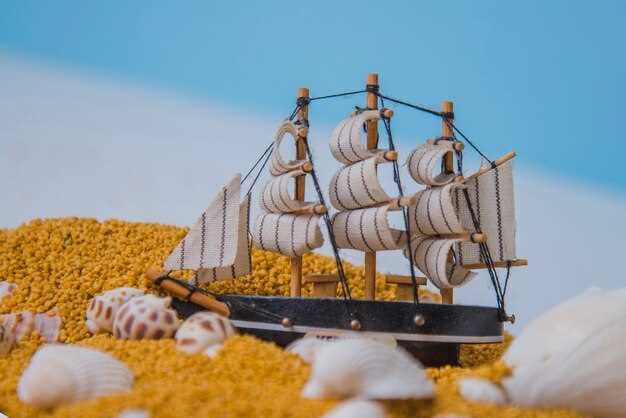
The maritime world is rich with stories of adventure, resilience, and the quest for freedom. One of the most captivating tales comes from the era of the brigantine corsairs, ships that roamed the waters of the indies, showcasing a unique blend of skill and daring. These swift vessels, recognized for their sails and formidable character, became not just boats but symbols of an era marked by exploration and piracy, where the lines between legitimate trade and unlawful plundering often blurred.
The legacy of the brigantine corsairs extends beyond mere historical accounts; it encapsulates the emotional landscape of the sailors who manned these vessels and the conditions they faced. During the week, they would navigate treacherous waters, utilizing their knowledge of weather patterns and currents to elude naval forces. The atmosphere onboard these ships was anything but ordinary, governed by camaraderie and the constant threat of danger, each day setting the stage for new and unexpected experiences.
As we dive into the historical aspects of the brigantine corsairs, we will explore the significant roles they played in trade and warfare. The characteristics of these ships – including their ability to turn quickly and carry a reasonable amount of cargo – made them ideal for both legitimate trade and piracy. With each successful venture, these crewed vessels secured fresh developments in maritime technology, influencing the design of future ships and cementing their place in the annals of maritime history.
📚 You may also like
We invite you to join us on this journey as we uncover the multifaceted legacy of the brigantine corsairs. Whether you are a history enthusiast or simply intrigued by the sea, our exploration promises to be as engaging as an evening barbeque on the shores of a tranquil lagoon. Let us set sail and discover the profound impact these maritime legends left on the world, from Cienfuegos to Aruba, as we honor their story and the indelible mark they left on the waters they sailed.
The Origin of the Brigantine Corsair
The brigantine corsair emerged in the late 17th century as a unique maritime vessel, a blend of both beauty and functionality. Originally, this ship type was designed for speed and maneuverability, characteristics that made it perfect for piracy and privateering. The Dutch, who were prominent in the Caribbean, really embraced this design, using it to navigate the intricate waters of the Antilles effectively.
The brigantine's rigging was composed of two masts, which significantly reduced the weight compared to larger ships. This feature enabled it to operate in shallow waters, such as around Bonaire and Curaçao, where larger vessels would struggle to maneuver. As a result, these ships often found their way into smaller harbors, allowing corsairs to evade larger naval forces.
The natural evolution of the brigantine corsair was influenced by the demand for versatile ships capable of undertaking various missions. These vessels could switch roles from trading to piracy as the situation dictated, proving to be a valuable asset for the colonial powers in the Indies. In some cases, captains like Thomas played crucial roles in shaping their careers through both privateering and chartering efforts.
While cruising the open waters, brigantine corsairs participated in battles, engaging larger ships and seizing cargoes often containing precious commodities. Tuna, sugar, and even linens were transported across the waves, making these vessels highly sought after for their cargo capabilities. The legacy of these pirates remains intertwined with the rich maritime history of islands like Tobago and Dominica.
Brigantines were often equipped with both sails and motor capabilities in later years, further enhancing their versatility. Their design allowed for private charters, where patrons could experience the thrill of sailing these historic ships firsthand, guided by knowledgeable crews. Services offered ranged from cleaning the decks to preparing delicious fresh meals, ensuring a comfortable experience at sea.
Even to this day, the brigantine corsairs inspire fascination. Each evening, as the sun sets over the Windward Islands, stories of their daring exploits still echo among sailors and historians alike. The choice to explore their legacy in modern sailing continues to captivate those looking to understand the complexities of maritime life.
In summary, the brigantine corsair originated from a critical need for flexibility in naval operations during the colonial era. Their legacy, containing both infamous legends and practical maritime prowess, set the groundwork for future sailing ships and the operational guidelines that would follow. As travelers choose to embark on voyages into these waters, they connect with the storied past that still resonates in the heart of every sailor.
Design Features of the Brigantine
The brigantine is a classic sailing vessel that has played a significant role in maritime history. Characterized by its two masts, the brigantine presents a unique combination of triangular and square sails that allow for versatility under various wind conditions. The sail plan ensures that the owner and crew can maneuver efficiently, regardless of whether they are engaged in fishing, diving, or the activities of traditional piracy. This multifunctional design made brigantines exceptionally popular among different classes of mariners, as they could adapt to the ocean's changing moods while also being suitable for various missions.
Construction materials utilized in brigantine design often included robust hardwoods, which provided strength and durability essential for long voyages. The hull was typically streamlined, minimizing drag while enhancing speed–crucial for escaping naval pursuit or chasing after tuna and other fish species. With components like outboard engines increasingly integrated into modern variants, brigantines have evolved to incorporate technologies that offer convenience without losing the essence of their historic predecessors. Reports from maritime historians highlight that models, including the Oceanis and various rentals, often adhere to a traditional aesthetic yet allow a healthy blend of contemporary features, such as efficient navigation systems and comfortable accommodations for week-long voyages.
| Feature | Description |
|---|---|
| Mast Configuration | Two masts with a combination of triangular and square sails for optimal navigation. |
| Hull Design | Streamlined for reduced drag and increased speed on the water. |
| Materials | Traditionally built with hardwoods, now may include modern composites for lighter weight. |
| Flexibility | Adaptable for various activities: fishing, diving, chartering, or pirating. |
Modern brigantines, such as those found in popular marinas like Nevis and Tobago, offer a range of design features that reflect their storied history while catering to contemporary tastes. Owners can choose from different layouts and features, ensuring that the interests of individuals or groups are met, whether it's for a week-long cruise or just a day of hopping between dive sites. These vessels maintain a legacy that resonates with sailors today, thanks to artists like Haynes and Vincent, who celebrate the brigantine's rich maritime heritage through various forms of content and expression.
Historical Context: The Age of Sail
The Age of Sail, spanning from the 16th to the mid-19th century, was pivotal in shaping maritime history, characterized by the rise of sailing vessels that navigated the world's oceans. During this period, many maritime powers, including the Netherlands and England, focused their energies on expansion and trade. Regions like Curaçao and Grenada became significant trading posts, offering a vibrant atmosphere and rich natural resources. Sailors and corsairs, like the famed brigantine, captained by skilled mariners, ventured into uncharted waters, driven by the desire for profit and adventure. Data from this era, such as shipping logs, provides insight into the lengths people went to explore and exploit these newly accessed territories. They often fished these waters, supplying the demands of growing cities and enriching regional economies.
Moreover, the classic characteristics of vessels from this time, such as their ability to harness the wind and maneuver effectively through varying weather conditions, were crucial for maritime activities. These ships became integral to the dynamics of trade and warfare, with numbers indicating that thousands of vessels were built each year. Rental services, or "rentflot," emerged, providing access to the burgeoning maritime industry, whether for fishing ventures or leisurely cruises. As sailing technology advanced and the Spanish Main became a hotbed for corsair activity, the entire spectrum of maritime operation was transformed. Users of this oceanic ecosystem had to apply their skills effectively, whether they operated as sailors or as the administrators in charge of resources. This rich tapestry of history continues to inspire interest in the evolution of maritime practices and the legacy of the brigantine corsair.
Key Players in the Development of Corsairs
The development of corsairs was influenced by a diverse range of individuals and organizations that shaped maritime practices. Among these key players were the merchants who rented ships for privateering activities. These renters were crucial in facilitating connections between governments and privateers, allowing them to raid enemy vessels in exchange for a share of the captured goods. Without such a supportive network, the corsair tradition may not have flourished as it did.
It is important to recognize the role of the governments that commissioned privateers. These state actors issued letters of marque, authorizing corsairs to capture enemy ships. The guidelines set by these governments defined the legal boundaries within which corsairs operated. For example, in the Caribbean, during the 17th century, Spanish, French, and English governments issued letters to their corsairs, enabling them to protect their interests against competing colonial powers.
Other players in this narrative were the shipbuilders responsible for creating and maintaining the highly specialized vessels used by corsairs. The longer and more agile boats, often crafted in coastal towns like Cienfuegos and Trinidad, were ideal for swift raids. Their natural design optimized for speed and maneuverability played a significant role in the success of these maritime predators.
Among the most notable figures was Sir Henry Morgan, a Welsh privateer whose exploits in the Caribbean solidified his legacy as a leading corsair. His clever strategies and daring raids on Spanish settlements demonstrated the effectiveness of corsair tactics. Morgan's career exemplified the links between successful privateering and economic impact, bringing enormous wealth to his sponsors and influencing the politics of the region.
In addition to individuals, the fishing communities across the Caribbean were indirectly involved in the growth of corsair activities. Provided with local resources, these communities supported corsairs with provisions, hence ensuring they were well-equipped before embarking on their adventurous voyages. The food supplied by fishermen was vital for corsairs, enabling them to sustain extended missions at sea.
During significant naval battles, larger alliances emerged, such as those between privateers and local populations, bolstering corsair efforts. These collaborations helped corsairs share intelligence and refine their raiding techniques. The successful assimilation of local knowledge often turned the tide in countless engagements, making it easier for corsairs to navigate the complex waters between the islands.
Geographic factors also facilitated the corsairs' success, like the presence of natural harbors and lagoons in regions such as Grenada and the Virgin Islands. These locations provided safe refuge during unfavorable weather and opportunities for chartering new alliances. Establishing bases in strategic locations permitted corsairs to plan their next moves while maintaining a robust network of support from local communities.
Ultimately, the continued evolution of the corsair phenomenon can be traced through various actors - from the government officials and shipbuilders to the local fishermen and adventurers themselves. Their collective contributions forged a maritime legend, characterized by the intertwining of commerce, politics, and adventure in the Caribbean. This legacy remains integral to the understanding of historical maritime practices and piracy in the West.
Notable Voyages and Adventures
The history of brigantine corsairs is filled with remarkable voyages that highlight their role in maritime legend. One such adventure was the Haynes expedition to the Indies, where the crew spent a week navigating the deep-sea waters surrounding Grenada. The owner of the ship believed this journey would provide a reasonable return on investment, as the region was known for its rich natural resources. The crew was equipped with traditional designs tailored for oceanic exploration, carefully filtering through data to find the best fishing spots.
Across the Caribbean, brigantines ventured between various regions, each trip a testament to the characteristics of the sea and the climate. One notable voyage included a banquet held on the deck off Nevis, celebrating the successful capture of a rival ship's cargo. This successful raid not only brought in a full hold of valuable goods but also fostered a sense of community among the crew as they enjoyed local cuisine in a unique atmosphere. Here, the visitors experienced an exchange of language and culture, showcasing the diverse maritime heritage shared among the islands.
However, the risks associated with these adventures were considerable, requiring crews to prioritize safety above all else. Quick decision-making was essential, particularly when navigating the complex waters of Avalon, where storms could arise unexpectedly. The necessity for responsible practices during these voyages ensured that brigantines left a legacy of exploration in the maritime world, offering further opportunities for future generations to explore and understand the depth of the ocean and its ecosystems.


