Essential Guide to Boating Fishing - Tips, Gear, and Best Locations
Alexandra
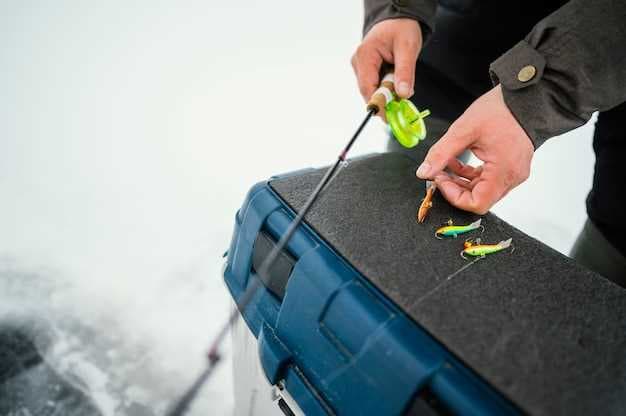
Boating fishing is not just a hobby; it's an adventure that combines the thrill of the chase with the serenity of nature. In this essential guide, we'll explore everything you need to know about fishing from your boat, whether you’re an experienced angler or just starting out. With the right gear and knowledge of the best locations, you're in for a thrilling experience on the water. This guide will help you navigate the coastline and find your perfect fishing spot.
When planning your next fishing trip, consider a variety of factors such as weather conditions, the type of fish you’re targeting, and the best time of year for fishing. If you're heading to Chatham or the Cape, be sure to make a reservation at one of the local marinas. Many marinas are equipped with essential amenities including bathrooms, security, and docking facilities, making them the perfect starting point for your venture.
Don’t forget, your adventure can include more than just fishing; you can also take a leisurely cruise on a pontoon or enjoy a relaxing day paddleboarding. The experience can be even more enjoyable if you bring your pets, as many marinas are pet-friendly. Whatever your plan, remember to check the availability of guided tours, which can provide insights and tips from experts while making your day on the water hassle-free.
📚 You may also like
As you prepare for your day of fishing, ensure that you have the right licenses and gear, and always prioritize safety while on the water. Taking lessons can enhance your skills, and having everything ready before you set sail will leave you free to enjoy the moment. Whether you’re booking a 30-hour fishing excursion or planning a quick afternoon outing, this guide is here to help you make the most of your boating fishing adventure.
Choosing the Right Gear for Fishing
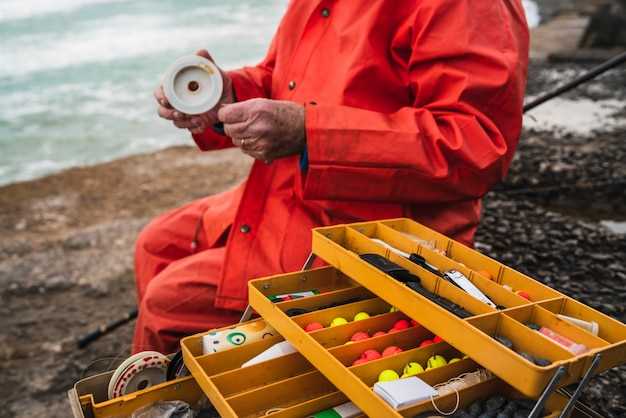
When planning your fishing adventure, selecting the right gear is crucial for a successful experience. Whether you're heading to the beautiful waters of Martha's Vineyard or the serene docks in Chatham's, your equipment will play a significant role in determining your success on the water.
Your gear includes various essentials such as fishing rods, reels, bait, and tackle boxes. Most importantly, make sure to have quality supplies that meet your fishing style. For example, if you prefer to fish from a kayak, consider using lightweight and compact gear that is easy to handle.
| Gear Type | Description | Recommended Use |
|---|---|---|
| Fishing Rod | Choose one that is trimmed to your preferred length. | Perfect for casting in different water conditions. |
| Fishing Reel | Opt for a licensed reel that matches your rod. | Essential for retrieving fish efficiently. |
| Bait | Includes live or artificial options. | Choose based on the type of fish you are targeting. |
| Tackle Box | Should provide ample space for organization. | Great for keeping your gear organized and accessible. |
Many charter companies offer guided fishing trips, which can include educational sessions on gear selection and use. Reservations are recommended, especially during the summer season, which can be quite busy. Some charters may require a deposit to secure your booking, so remember to have a debit or credit card ready.
As you prepare for your fishing outing, don't forget to pack essential items such as towels, sunblock, and adequate water supplies. Boaters should plan for a full afternoon on the water and always check local regulations regarding fishing licenses.
Ultimately, the right gear not only enhances your fishing experience but ensures a memorable adventure on the water. A well-prepared fisherman can enjoy minutes of great fun and watch the sunset, making every outing a perfect escape.
Types of Fishing Rods: Spinning vs. Baitcasting
When it comes to fishing, choosing the right rod can significantly affect your experience on the water. The two primary types of fishing rods are spinning and baitcasting rods, each suited for different styles and techniques. Both have their unique advantages, so understanding the differences will help you make an informed choice.
Spinning rods are typically more user-friendly and are great for beginners. They come with a spinning reel that allows for easier line management, making them perfect for anyone getting started. With a spinning rod, you can quickly cast lighter baits over various waters, from lakes to coastlines. These rods are often made from durable materials like mahogany, providing strength without excessive weight, which is essential when you're out on multi-day fishing trips.
Baitcasting rods, on the other hand, offer more precision and control, making them the choice for experienced anglers. They enable the use of heavier lines and baits, allowing for accuracy when aiming at specific spots. While baitcasting may require some practice to master, many love the challenge it presents. Unlike spinning rods, baitcasting setups often have a low-profile design that fits comfortably in your hand, letting you maintain focus on your target, whether it's a seal frolicking in the distance or a whale surfacing nearby.
When planning your fishing trip, consider what type of fishing you want to participate in. If you're planning a guided charter, local offices usually have rods available for rentals at fair rates. However, if you prefer to reserve your own equipment, ensure you're ready for the specific conditions of your chosen waters. Additionally, both spinning and baitcasting rods can provide good results depending on the species you're targeting, so whether you're using a lightweight line for panfish or a heavier setup for bass, understanding your gear is crucial.
Ultimately, remember that the most important aspect of fishing is creating lasting memories. Whether you're planning a wedding cruise or simple outings with friends, the right fishing rod can enhance your overall experience. Enjoying the amenities of local marinas and spending time on the docks can make every fishing trip memorable. So, take the time to learn about your options, and choose the rod that aligns with your fishing style and the adventures you want to embark upon!
Essential Tackle: Hooks, Lines, and Lures
When preparing for a successful fishing trip, understanding your tackle is essential. The right combination of hooks, lines, and lures can significantly increase your chances of catching desired species, whether you’re targeting trout in a peaceful lake or frolicking with whales on a cruise. Here’s what you need to know.
Hooks are one of the most crucial components of your tackle. Opt for premium hooks made from high-quality materials that ensure durability and sharpness. Various finishes, such as nickel or black chrome, can affect both performance and visibility in the water. Be sure to choose sizes appropriate for the fish you are aiming to catch, as a must for effective angling.
Lines are equally important; they serve as the lifeline between you and the fish. A strong, reliable line will withstand the pull of large catches, especially when kayaking or cruising along the waterfront. Consider fluorocarbon lines for their low visibility underwater and abrasion resistance, especially useful when fishing in rocky areas. When renting equipment or securing a charter, be sure to reserve the best lines available, and don’t hesitate to ask the office for assistance or recommendations.
When it comes to lures, these come in many forms and can imitate prey to attract fish effectively. From soft plastics to hard bodies, each type serves a unique purpose. For example, a well-designed prop bait can create enticing splashes on the surface, drawing in birds and fish alike. For those long days on the water, consider building a collection of lures that includes various styles, allowing you to adapt to different fishing conditions. A quick deposit into your tackle box for unexpected catches can ensure you’re always ready.
The world of fishing is full of educational opportunities. Participating in local workshops or obtaining a fishing license certificate can significantly enhance your skills. Understanding local regulations not only helps in responsible angling but can also grant exclusive access to limited places like Nantucket, where the fishing experience is unrivaled.
Lastly, be prepared for various weather conditions. Make sure your gear includes a solid selection of tackle that can endure the elements. Having the right setup will allow you to enjoy your time on the water without worry and make the most out of every moment spent at your dockside marina.
Safety Equipment Every Fisherman Should Have
When you’re out on the water, safety should always be your primary concern. Regardless of whether you’re on a kayak, tri-toon, or a larger cruiser, having the right safety equipment can make the difference between a relaxing day fishing and a potential emergency situation. Here’s a list of essential safety gear every fisherman should have:
- Personal Flotation Devices (PFDs): All fishermen should wear a well-fitted life jacket or have one readily available. This is important for state-of-the-art safety, especially during the fishing season.
- First Aid Kits: A robust first aid kit is needed to provide assistance for cuts, scrapes, or allergic reactions. Make sure it includes items for treating common injuries, plus supplies for pets if you bring them along.
- Emergency Whistle: Having a whistle can be crucial for signaling for help. It’s lightweight and can be easily attached to your gear.
- Fire Extinguisher: For those fishing from pontoons or larger boats, a fire extinguisher should be on board for maximum safety in case of unexpected fires.
- Flares and Signaling Devices: In case of emergencies, flares can help others notice your location. They are essential for cruising in unfamiliar waters.
- Anchor and Rope: To prevent drifting away from your launch point, having a reliable anchor is crucial. Make sure to have sufficient rope or chain to secure your position.
- Waterproof Card with Emergency Contacts: Create a card with key information, including local harbors, marinas, and emergency numbers, and keep it in a waterproof pouch.
- Weather Radio: Weather can change quickly on the waters. A state-of-the-art weather radio can provide crucial updates while you’re enjoying your fishing day.
Additionally, be sure to check that all equipment is functioning well before heading out. It’s advisable to bring extra towels for drying off and warm clothing in case the temperature drops. Definitely let someone know your itinerary, including the docks where you plan to spend your time, to ensure that assistance can be provided if needed.
Fishing can be one of the most enjoyable and memorable experiences, especially when you’re gathering with groups of friends or family. By following these safety guidelines, you can maximize your enjoyment and focus on creating memories rather than dealing with emergencies.
Choosing the Right Boat for Fishing Adventures
When planning your fishing adventures, selecting the right boat is essential for creating incredible memories on the water. Whether you're considering rentals, guided trips, or even booking charters, understanding the options available will ensure that you have the perfect experience.
Here are some key factors to consider when choosing a boat:
- Type of Boat: For fishing, you can opt for various types of watercraft such as:
- Tri-toons: Great for parties and group fishing trips, these boats provide ample space and stability.
- Cruisers: Ideal for longer multi-day trips, offering comfort and amenities for longer excursions.
- Fishing Boats: Specifically designed with features like live wells for bait and rod holders.
- Capacity: Ensure that the boat can comfortably accommodate your party. Check the maximum capacity to avoid overcrowding.
- Weather Considerations: Depending on the season, look for boats equipped to handle summer weather or unexpected elements. Long trips in grey or rainy conditions may require additional gear.
- Location: Research the best fishing spots. Areas like Chatham are renowned for their trout fishing. Booking early can help you secure the right vessel close to these incredible locations.
Before you spend a day out, it’s wise to check the following:
- Rentals vs. Ownership: Rentals can be a great option if you’re an inexperienced boater. This allows you to familiarize yourself without the responsibilities of ownership.
- Guided Trips: If you’re less experienced, consider guided charters that not only provide the boat but also offer the expertise of experienced captains.
- Reservations: Make your bookings in advance, especially during peak summer months when demand is high.
Remember, your fishing experience is uniquely yours. Whether you're taking a tranquil cruise to a favorite winery or going out with friends for a day of whale watching, the choice of boat can significantly affect your adventure.
In conclusion, taking the time to carefully evaluate your needs, preferences, and the specific fishing conditions will lead you to the right choice. Don’t rush the decision; the right vessel will enhance your time on the water, making every fishing trip an unforgettable adventure.
Tips for Successful Fishing on a Boat
Fishing from a boat can be an incredible way to spend your summer days, creating lasting memories with friends and family. However, to ensure a successful outing, it is essential to prepare in advance. Start by obtaining a valid fishing certificate, as this is often required to fish legally in various waters.
When selecting a fishing location, consider the coastline and marinas that are known for their abundant fish populations. Nantucket and Marthas Vineyard are excellent examples of areas where groups can enjoy a productive fishing experience. Remember to check rentals and book in advance to secure the best options available, especially during peak seasons.
Bait selection is crucial. You must choose the right bait for the fish species in the area. Live bait can be particularly effective, but artificial lures can also yield positive results. Keep a variety of options on hand to maximize your chances of catching fish.
While on the boat, consider using a console for navigation and to maintain communications with other boats or marinas. If you're bringing pets or young ones, ensure they are safe and comfortable throughout the trip. Plush seating and ample space are necessary for longer outings.
In addition to fishing, try incorporating other activities such as kayaking or paddleboarding. These options can be enjoyable for everyone on board, and allow you to explore different areas quickly. Remember to have traps ready if you're interested in catching crabs or shrimp; these can be a fun addition to your catch.
If you’re planning to spend extended hours on the water, consider bringing a cooler stocked with food and wine for a lovely dinner while waiting for bites. For those who wish to cruise in style, pontoons or a Bennington Tritoon can provide a comfortable environment during your fishing adventure.
Lastly, ensure you have all the necessary equipment and that everything operates correctly before setting out. Check your fishing rods, tackle boxes, and any electronic devices. A little education on local fishing regulations and best practices can make a significant difference in your overall experience. Make sure to return safely and share your fishing tales with others, as these moments are what make the sport so enjoyable.
Understanding Water Conditions and Their Impact on Fishing
Water conditions play a crucial role in fishing success. Understanding how factors like temperature, current, and clarity affect the behavior of fish can greatly enhance your overall fishing experience. Over the years, anglers have noted that certain conditions call for specific techniques and gear to maximize their catch.
Temperature is one of the most significant elements. Fish are cold-blooded creatures, which means their activity levels are influenced by water temperature. During warmer months, fish tend to be more active in the early morning or late afternoon when the sun isn't as strong. Conversely, during colder months, deeper waters hold the necessary warmth, often requiring fishermen to explore under the surface and adjust their routines accordingly.
Water clarity also impacts fishing strategies. Clear waters allow fish to see more distinctly, which can make them wary of lures or bait. In this case, opting for a more subsidiary blend of colors may yield better results. Alternatively, murky waters can provide a fantastic opportunity for catching species that thrive in less visibility.
Current is another variable worth monitoring. Areas with gentle flows typically hold more fish as they bring food and nutrients. Those keen on fishing in rivers or lakes need to be aware of water levels and how they affect fish locations. Whether you’re opting for rentals like pontoon boats or planning a guided excursion, ensure you book in advance to secure your spot on the water.
Waves and wind also contribute to fishing success. Light winds can create surface chop, which can help conceal anglers from the fish, making them easier to catch. However, strong winds can make fishing more challenging. During these times, it may be wise to choose calm waters or seek shelter in marinas where facilities, such as bathrooms and a bait shop, may be available.
In addition to these factors, local wildlife also provides valuable indicators of water conditions. Keeping an eye on bird activity can lead you to schools of fish. Enjoying the adventure of fishing often means paying close attention to how wildlife interacts with the waters around you. Many seasoned fishers watch for birds diving to ensure they’re in the right spot.
When planning a fishing trip, it's essential to have a valid fishing license and to be aware of any regulations regarding the type of fish you can catch. Ensure that you have all the necessary equipment, including a properly trimmed prop and a well-maintained boat, before setting out.
Each fishing outing is unique, and understanding these water conditions will greatly affect your experience. Therefore, take the time to learn about the waters you’ll be fishing in, as this knowledge will keep your fishing adventures enjoyable year after year.


