Enhance Your Water Adventures with Better Boating Tips and Techniques
Alexandra
When you embark on a boating adventure, whether for a day of fishing or a weekend getaway with family, understanding the nuances of boating can significantly enhance your experience. The time spent on the deck of your powerboat or tri-toon can be some of the most rewarding moments, allowing adults and children alike to relax and connect with nature. However, to ensure a memorable outing, it’s crucial to adopt certain tips and techniques that will keep you and your passengers safe and informed around the water.
Regulations play a significant role in boating; knowing the rights and privileges under state law can mean the difference between a smooth journey and complications. From understanding the designated areas for fishing to observing speed limits posted around docks, it is imperative to meet these requirements to avoid violations that can cause damage to both your boat and the surrounding environment. Additionally, being courteous to other boaters and the loud noises that can arise from onboard activities is essential in maintaining the peacefulness of water adventures.
The maximum amount of safety measures should always be in place, particularly when carrying passengers. Each passenger must be briefed on the basic safety protocols, including the importance of wearing life jackets and the right actions in case of emergencies. Alcohol and drug possession are strictly prohibited on many waterways, ensuring that all adults on board remain responsible and aware. By understanding these guidelines and applying them accordingly, you set the foundation for an incredible boating experience that prioritizes safety, respect, and enjoyment.
📚 You may also like
Safety First: Essential Boating Precautions
When embarking on water adventures, it is crucial to prioritize safety by adopting essential boating precautions. Operators should always ensure that they have the necessary documents in possession before setting sail. These documents generally include your boating license, registration papers, and any other state-specific paperwork. Having these items readily available can prevent complications, especially during inspections at the dock.
To further enhance your safety, consider investing in reliable safety equipment that includes life jackets, flares, and a first aid kit. Some operators may even benefit from having a compass on board to navigate unfamiliar waters, such as winding rivers. Prior to any trip, take the time to check all equipment for necessary repairs. If any damage is noted, contact a professional for repairs to ensure that your boating experience goes smoothly.
It is important to display a proper flag on your vessel, which serves as a symbol of respect and adherence to maritime laws. Times might arise where your boat is required to be towed or positioned based on specified regulations; thus, understanding these rules is paramount. Additionally, along with having legal privileges of water navigation, it is essential to remain compliant with local regulations regarding boating.
A good courtesy tip is to inform fellow boaters of your intentions, such as when you're changing direction or circling back. If you’re operating in a multi-day environment, practice acts of kindness and courtesy, such as offering to share resources or spaces along the way, which may help foster a respectful boating community. Remember, a rude disposition can sour even the most picturesque adventure.
Be aware that some states may impose penalties or fees for non-compliance with boating rules. These fees can be assessed or levied for infractions such as failing to have life jackets on board or failing to notify authorities upon request in case of an incident. Always consult local guidelines on these matters ahead of your trip to avoid potential cancellations or legal consequences.
Finally, always leave an itinerary with a sister or trusted friend. Should anything go awry, they will know your route and estimated return time. In legal situations, having a clear record of your plans can prove invaluable. Remember, the goal is to have fun and enjoy the waters, but being prepared is equally vital to ensure everyone has a good time!
Understanding Life Jacket Requirements
When engaging in water sports, it’s essential to understand the life jacket requirements that govern safety on the water. Each year, authorities amend regulations to ensure that all watercraft operators and guests are fully compliant. Life jackets must be deemed appropriate for the type of activities being undertaken, particularly during the summer season when water adventures peak. Operators should start by reviewing the specific laws associated with their location, as these requirements can vary significantly.
The Federal and state regulations typically stipulate that every person on a watercraft shall wear a life jacket. This is especially crucial for those who are not strong swimmers or for children, who may require additional safety equipment. For example, life jackets must be US Coast Guard-approved and located in a position that is easy to reach. Rental agencies often provide these safety devices, but it is the responsibility of the lessees to ensure they are in good condition and suitable for use.
Moreover, personalizing life jackets to fit each participant can enhance comfort and safety. A poorly fitting jacket can lead to excessive movement, hindering performance in case of an emergency. Operators should take the time to ensure that every guest or participant has a properly fitting jacket, especially in inclement weather conditions. This simple precaution allows everyone to relax while enjoying their water adventure.
| Type of Watercraft | Required Life Jackets |
|---|---|
| Powerboats | 1 per person, and 1 Type IV throwable device |
| Canoes/Kayaks | 1 per person |
| Sailboats | 1 per person |
| Personal Watercraft | 1 per person |
Guests enjoying other recreational activities, such as fishing or hunting from a boat, must also respect these regulations. Understanding the behavior expected on the water fosters a safer environment not only for yourself but also for others. Being responsible with alcohol consumption and beverages while on a watercraft is vital, as impaired judgment can lead to dangerous situations.
Operators who refuse to meet life jacket requirements may lose their privileges to rent watercraft or face hefty fines. To ensure all parties are informed, it's wise to communicate these requirements clearly upon making reservations. By being proactive in understanding what is permitted and demonstrating the proper use of life jackets, everyone can better enjoy their time on the water while remaining safe and sound.
Preparing for Adverse Weather Conditions
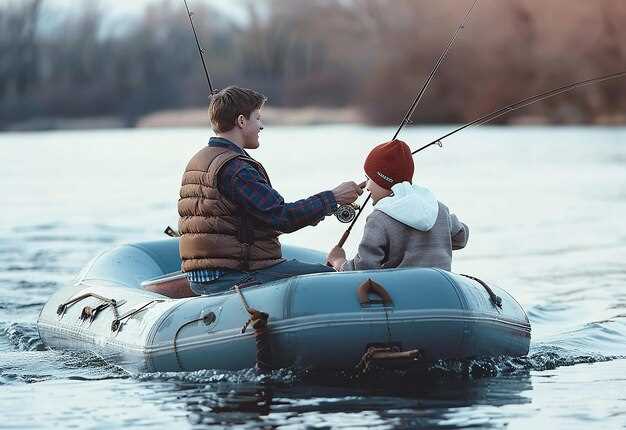
When planning a day out on the water in your powerboat, it’s essential to consider the potential impact of adverse weather conditions. Storms, high winds, and sudden temperature drops can all lead to dangerous situations, forcing cancellations of your fun. Reading weather reports early and thoroughly can help you gauge forecasts, allowing you to make necessary adjustments to your plans, including deciding whether to continue or delay your trip.
Your boat's performance can be significantly affected by weather changes. For instance, strong winds can lead to a malfunction of your steering or propulsion systems, especially if you have not conducted proper maintenance or repairs. Ensure you assess everything beforehand and understand your vessel's limits for maximum safety. Underperformance can lead to dire situations that are best avoided by switching plans if conditions are unfavorable.
It’s advisable to have a shelter in mind if exposure becomes unavoidable. This may include marinas or other safe havens where you can wait for the storm to pass. Make being prepared a priority; an early response often makes the difference between a fun family outing and a trip turned sour. Additionally, some rentals provide instructions on weather preparedness, including specific protocols that must be followed by all parties involved.
Consideration of your behavior under stress is also crucial. If alcohol consumption is part of your boating experience, remember that it can impair judgment, leading to poor decision-making when navigating rough waters. Agreed protocols with family or friends, such as having a designated sober operator, can enhance safety and performance, ensuring everyone enjoys their time on the water without unnecessary risk.
Incorporate a checklist before departure to cover all bases, including required items such as life jackets and communication devices. Both legal requirements and operational efficiency are tied to being well-prepared. Keeping all necessary paperwork, including receipts for rentals and lease agreements, organized ensures that you do not face any delays or refusals related to legal issues while out on the water.
Ultimately, the right preparations can protect you and your loved ones from adverse conditions. Staying informed about weather updates and understanding your vessel's capabilities will provide a solid foundation for safe boating. Make this season one to remember by prioritizing both safety and enjoyment in your water adventures.
Conducting a Pre-Trip Safety Checklist
Before embarking on your water adventure, it's vital to conduct a thorough pre-trip safety checklist. This step is essential to ensure that everyone aboard is safe and that your cruise goes smoothly, regardless of the weather conditions.
Start by checking the essential safety equipment. Items such as life jackets should be available for everyone on board, particularly those under the age of 8. It's also important to verify that fire extinguishers are fully charged and accessible. Additionally, confirm that your boat's navigation devices, including a compass, are operational before you leave the dock.
- Check the availability of emergency beacons or signaling devices.
- Assess the amount of fuel on board, as running out can lead to boisterous situations.
- Ensure that all electronic devices are switched on and reachable, including phones to call for assistance, if necessary.
Next, examine your watercraft for any potential problems. This includes checking for leaks and performing a full inspection of the hull. If any repairs are needed, they should be addressed immediately to avoid complications during your rental period.
It is also necessary to review your local laws and regulations about carrying weapons or possessing narcotic substances while boating. Different waterways have specific rules that apply to anyone on board; ensure compliance to avoid legal complications.
Furthermore, check the weather forecast and associated warnings to help guide your cruising plans. It’s better to postpone your trip than to risk additional hazards from unexpected weather changes.
- Confirm reservations and potential cancellation policies on the rental website.
- Understand and respect the drinking privileges when consuming alcoholic beverages. Limit this to reasonable amounts as excessive drinking can impair decision-making.
- Inform all passengers about safety protocols while on the water.
By implementing this checklist, you will significantly enhance your water adventure experience. Remember that safety comes first, followed by the enjoyment of the beautiful surroundings along the Murray River or any other cruising destination you may choose.
Navigational Skills: Mastering the Waters
When embarking on a water adventure, mastering navigational skills is crucial for ensuring a safe and enjoyable experience. Those who engage in boating, whether through rental services or charter options, must understand their environment. This includes comprehending maps, charts, and navigational aids which provide essential information about depth, hazards, and traffic patterns on the waterways.
Operators must be responsible and aware of their legal rights and obligations. It is not permitted to operate a vessel under the influence of alcohol or narcotic substances. Experience teaches that impairment leads to accidents; hence, those navigating the waters should avoid alcoholic beverages until the journey concludes. For multi-day trips, keeping track of the dates and conditioning of the crew can significantly impact the overall safety and enjoyment of the adventure.
Before setting out, it is important to equip your vessel, including recreational items like a stereo for entertainment and safety gear. This preparation ensures that all passengers, whether participating in water sports or simply enjoying the ride, have a clear understanding of the vessel's capacity and restrictions. The usage of an appropriate flag to signal your status or intentions can also help in communicating with other boaters.
- Check weather conditions before departure.
- Mark important waypoints and expected stops on your map.
- Assess the behavior of currents and tides.
Using tools such as GPS or compasses enhances your capacity to navigate effectively. It is essential to stay switched on and attentive during your journey. Previous experience can play a pivotal role, as familiarity with the route often results in smoother sailing. Always have a backup plan, especially in case of unexpected occurrences in front of you, such as sudden weather changes or mechanical failures.
Lastly, all boaters should respect the rules of the waterways. Dues for dockage and park entry are often listed clearly, and ignoring them can prove costly. Early preparations lead to better experiences, while remaining adaptable allows for an enjoyable and safe exploration of the aquatic spaces we cherish. By practicing responsible boating behavior, you contribute to safer waters for everyone involved.


