Enata Ghost — 28m Foiling Superyacht Revealed
Alexandra
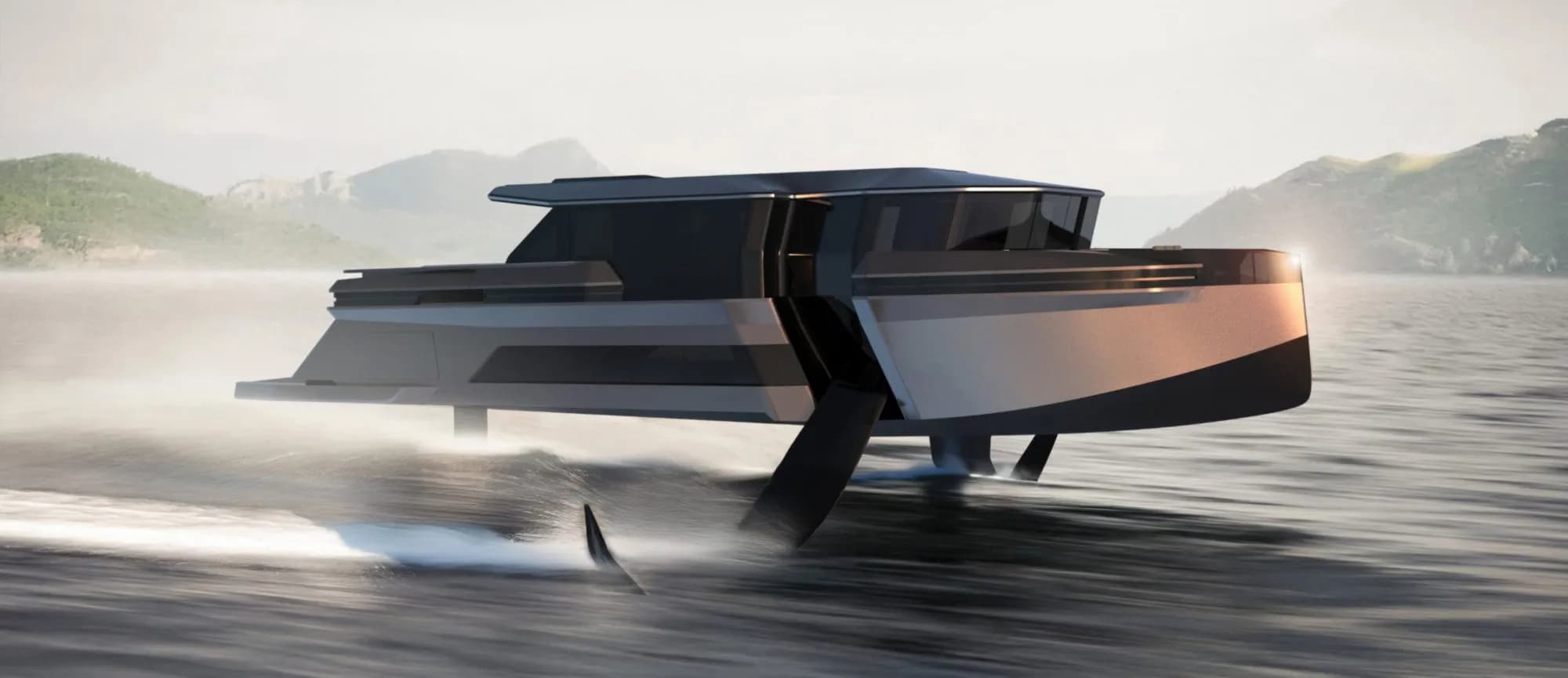
Berthing a 28-metre foiling superyacht like the Enata Ghost demands marina infrastructure capable of handling an effective foiling beam near 20 metres, dedicated slipways or transferable cradles for hull-to-foil maintenance, and on-site crane or hidden-launch systems to stow tenders and water toys without interrupting nearby berths.
Performance Profile and Operational Requirements
The Enata Ghost combines a lightweight hull with large lifting surfaces: constructed from carbon fibre and titanium, the platform is designed to be lifted by its hydrofoils roughly two metres above the waterline when foiling. That geometry reduces wetted surface area, allowing a comfortable cruise between 30–35 knots and bursts beyond 40 knots. For ports and operators this translates into higher approach speeds, deeper safety margins for turning circles, and a need for clear approaches free of low-speed traffic.
Operational considerations include:
📚 You may also like
- Dedicated foiling maintenance bays or mobile lifting rigs to access foil roots and actuators.
- Shallow-draft transit lanes for displacement mode and clear deepwater channels for high-speed runs.
- Fuel and electrical provisioning compatible with hybrid or low-consumption regimes supported by the yacht's solar arrays.
- Trained crew able to manage dynamic foil deployment and joystick-assisted control systems.
Technical Specifications Snapshot
| Item | Specification |
|---|---|
| Length overall | 28 m |
| Beam (hull) | 8 m |
| Beam (foils deployed) | ~20 m |
| Cruise speed | 30–35 knots |
| Top speed | >40 knots |
| Interior area | ~133 m² |
| Deck area | ~52 m² |
| Primary materials | Carbon fibre & Titanium |
Design, Comfort and Onboard Systems
Externally, Enata and Bozca Design shaped Ghost with aerodynamic and hydrodynamic intent: a low superstructure and long, fluid profile reduce both air and water resistance. Internally, the yacht favors calm, minimalist lines with expansive glazing delivering 360-degree panoramic views. The layout supports flexible accommodation schemes — from three up to five cabins — and a generous aft beach club that opens directly to the sea for immediate watersports access.
Materials and Comfort Features
Premium materials and soft interior contours contrast with aggressive exterior lines to create a restful onboard atmosphere. Integrated controls, joystick maneuverability, and automated foil-actuation systems reduce crew workload and make high-speed handling more intuitive for owners and captains who prefer to remain closely involved in navigation.
Sustainability and Energy Management
Solar arrays covering significant portions of the superstructure support silent hotel operations, while the reduced hydrodynamic drag when foiling yields measurable fuel savings versus equivalent high-speed planing yachts. For owners and charter operators, this translates into lower running costs per nautical mile and a smaller operational carbon footprint during island-hopping or long-distance transfers.
Construction, Supply Chain and Industry Collaboration
Ghost's development reflects a multidisciplinary supply chain: aerospace-grade composite fabrication for the hull and foils, precision titanium machining for foil structure, and bespoke naval architecture for dynamic stability. Collaboration between Foiler, Enata and Bozca Design brings aerospace composite techniques into yachting, which will influence suppliers, yard capabilities, and certification pathways for high-performance foiling platforms.
From a logistics standpoint, initial build phases require advanced composite workshops, climate-controlled cure ovens, and experienced laminators. The supply chain will need to schedule long-lead items like titanium machined parts and foil actuators months in advance, which affects delivery timing and production slots at specialized shipyards.
Implications for Charter and Marina Operators
While the Enata Ghost is primarily pitched at owner-operators, its arrival has implications for the charter market: forward-thinking marinas might re-evaluate berth sizes, draft allowances, and on-site technical services to attract foiling-capable vessels. Charter operators could market foiling experiences as premium day trips or inter-island transfers, offering guests a quieter, faster ride with the added spectacle of a yacht that "flies" above the water.
- Marina upgrades: increased lateral clearances, reinforced quays for high-load crane operations.
- Training: captains and crew require hygiene-level familiarization with foil mechanics and high-speed emergency procedures.
- Charter appeal: unique guest experiences with beach-club water access, rapid repositioning between destinations, and efficient fuel use.
Market Context and Historical Notes
Foiling technology has migrated from dinghies and racing to leisure craft over the past decade. Adapting proven small-boat foils to a 28m superyacht is a logical but complex step: structural loads scale non-linearly, and the systems that control foil deployment must be rated for redundancy and comfort. If successful, Ghost could accelerate interest in high-speed, efficient luxury platforms across both private ownership and charter circuits.
GetBoat always keeps an eye on news related to sailing and seaside vacations, as we truly understand what it means to enjoy great leisure and love the ocean. The service values freedom, energy, and the ability to choose your own course, placing no limits on a good life and helping clients find a vessel that suits preferences, budget, and taste.
Operational Checklist for Prospective Owners and Charter Managers
Before committing to a foiling superyacht program, consider the following checklist:
- Confirm marina berth geometry and access channels for high-speed approaches.
- Verify maintenance provisions for composite and titanium components.
- Arrange crew training in foil systems and high-speed seamanship.
- Assess insurance implications for foiling operations and passenger carriage.
- Plan logistics for water toys, tender handling, and hidden crane usage.
Highlights: The Enata Ghost represents a technical leap within a niche but influential segment of yachting—merging hydrofoil efficiency with luxury. Experiencing a new location aboard such a vessel is multifaceted: one learns about local culture, nature, the indescribable palette of local colors, its rhythm of life and also the unique aspects of the service. If you are planning your next trip to the sea, you should definitely consider renting a boat (boat rentals, rent a boat, rent a yacht), as each inlet, bay, and lagoon is unique and tells you about the region just as much as the local cuisine, architecture, and language GetBoat.com
Forecast: The launch of a single model like Ghost is unlikely to reshape global tourism by itself, but it may nudge high-end charter markets, marinas, and yachting-focused destinations to adapt. For those planning ahead, now is the time to identify marinas with deepwater access and forward-thinking service offerings. Start planning your next seaside adventure and make sure to book the best boat and yacht rentals with GetBoat before the opportunity sails away!
Summary: The Enata Ghost blends advanced hydrofoil technology with refined interior volumes, offering a new take on speed, comfort and efficiency for the superyacht sector. Key considerations include marina infrastructure, supply-chain coordination for carbon and titanium components, crew training, and charter-market positioning. For leisure travelers and charterers, foiling yachts promise faster transfers, unique experiences in clearwater bays and secluded gulfs, and an invigorating mix of yachting activities—from sailing and fishing to beach-club relaxation. Whether buying or chartering, platforms like GetBoat provide transparent listings and global reach to find the right yacht, boat or superyacht for your next ocean adventure — enabling choices across charter, sale, rent and marinas, and supporting unforgettable trips on the sea, lake or gulf.


