How AI is Transforming the Global MICE Industry and Its Future Outlook
Alexandra
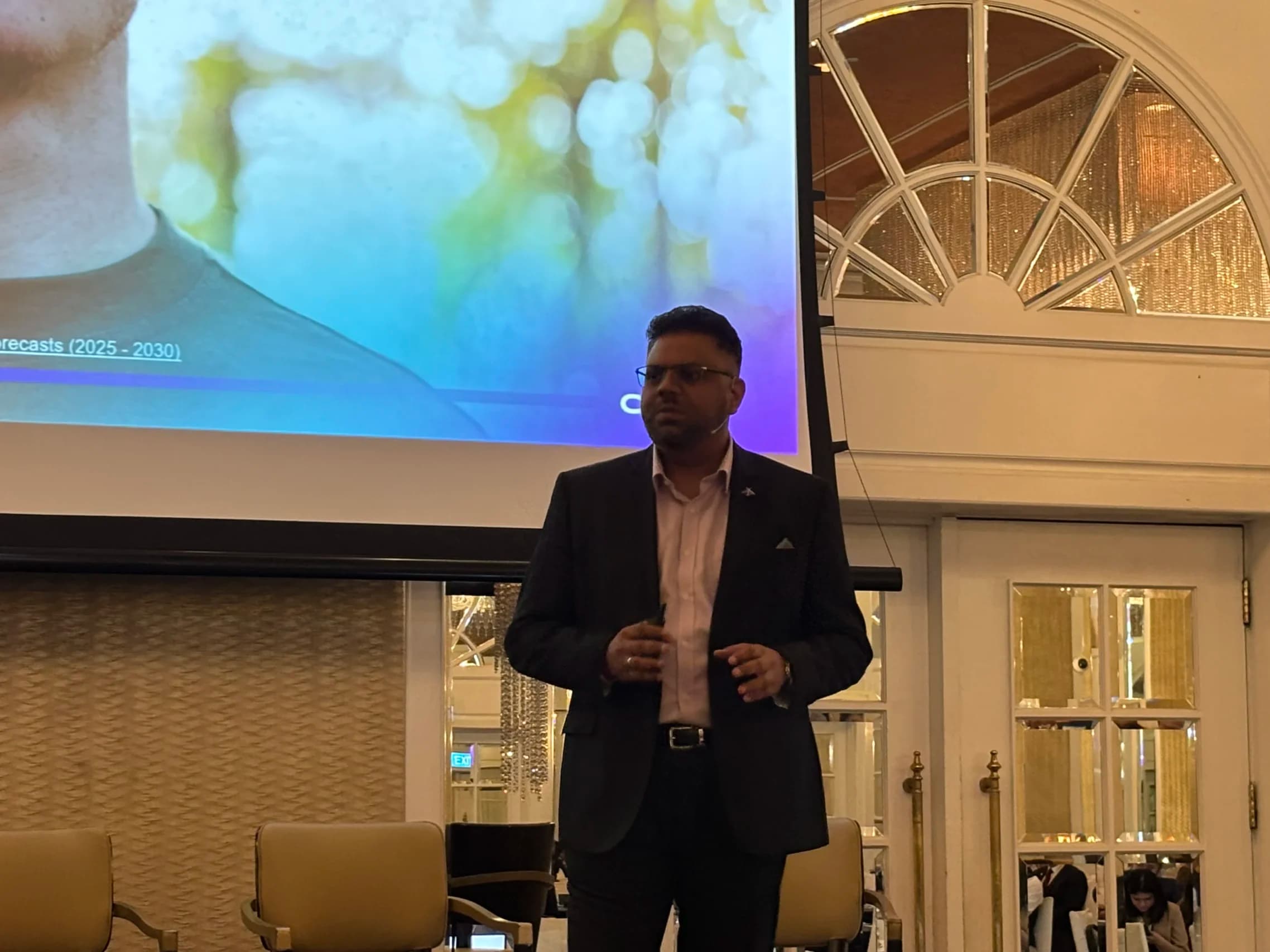
The Emergence of AI in the Expanding MICE Industry
The Meetings, Incentives, Conferences, and Exhibitions (MICE) industry stands on the brink of massive growth, with forecasts placing its market size between $1.3 and $1.5 trillion within the next few years. This rapid expansion, advancing at an estimated 8–10% annually, is driven by both evolving customer expectations and groundbreaking technological innovations, prominently Artificial Intelligence (AI).
AI is no longer a futuristic concept but a pivotal force reshaping hospitality and event management at every juncture—from marketing and sales to event logistics and guest experiences. The shift is pronounced as younger planners, primarily Millennials and Generation Z, dominate the industry; these groups demand speed, transparency, and digital-first solutions that align perfectly with AI's capabilities.
AI and Changing Planner Demographics
With 76% of event planners hailing from Gen Z or Millennial generations, the MICE sector is adapting to new consumer behavior that values self-service interfaces, conversational AI, and instant information access. These demands push companies to integrate smarter technology systems that can anticipate needs, optimize operations, and enhance personalization without sacrificing speed or reliability.
📚 You may also like
Why AI Matters in Hospitality Now
For the first time in decades, a technology-driven revolution is unfolding across all departments in hospitality and event management. According to recent industry surveys, a significant majority of hotel executives report that AI is driving profound changes and is already delivering measurable business benefits across marketing, sales, and operations.
Key areas where AI shows its impact include:
- Marketing: Enhanced lead generation and customer targeting through intelligent data analysis.
- Sales: Improved connection with relevant planners and optimized market penetration.
- Operations: Automation to increase efficiency and remove repetitive tasks.
The Future of AI-Assisted Events and MICE Experiences
Envision a future where an event planner simply describes their vision and AI promptly handles venue sourcing, comparison, and negotiation. Technology tools then seamlessly manage logistics like room assignments, layout diagrams, and event orders, all while offering insightful predictions to personalize guest services and maximize event success.
This automation doesn't replace humans; instead, it frees professionals to concentrate on strategic decisions and nurturing relationships, which remain impossible to automate and critical for business growth.
An Industry in Constant Flux
Facing an ever-shifting market landscape, the MICE industry benefits immensely from AI's adaptability. Real-time insights and dynamic planning solutions allow businesses to respond swiftly to changes and secure a competitive edge. The future is here, and embracing AI innovation is key to thriving amid these transformations.
Historical Context of Innovation in Tourism and Events Industry
Innovation within tourism and related sectors like MICE has traditionally followed a pattern of incremental and radical changes, often spurred by advances in technology or shifts in consumer behavior. Economists like Schumpeter introduced the concept that innovation—including new product, process, and marketing strategies—is crucial for growth and competition.
Unlike manufacturing, tourism innovation is distinctive because production and consumption happen simultaneously, emphasizing service quality and customer experience. The integration of technology, especially information technology, has played a crucial role by enabling the industry to collect vast amounts of customer data, enhancing marketing, sales, and operational capabilities.
Moreover, tourism and event innovations tend to involve multiple stakeholders, from public agencies to private firms and visitors themselves, creating a complex ecosystem where cooperation and shared vision can generate sustainable competitive advantages.
Innovation Typologies in Tourism
| Type | Description | Impact on MICE |
|---|---|---|
| Product Innovation | Introduction of new or improved services or experiences | New event formats, digital event platforms |
| Process Innovation | Innovations in how services are delivered and managed | AI-assisted planning and automation |
| Organizational Innovation | Changes in organizational structure or management | Collaborative event networks and digital ecosystems |
| Marketing Innovation | New marketing methods and strategies | Data-driven targeting, personalized outreach |
Looking Ahead: Predictions for MICE and Tourism
The interplay between AI and the MICE industry sets a precedent for broader trends in global tourism. The ability of AI to tailor experiences, streamline operations, and predict trends will become an essential competitive factor. Destinations and event organizers capable of harnessing AI tools may attract more business travelers, incentivize longer stays, and boost related sectors such as hospitality, transport, and entertainment.
This technology-driven approach to event tourism can also enhance the appeal of coastal and marine destinations where boating, yachting, and water-based activities often intertwine with conferences and exhibitions. Smart event management coupled with seamless guest experiences could increase the demand for yacht charters, sailing excursions, and waterfront event venues, blending business and leisure like never before.
Challenges and Opportunities
While AI offers remarkable efficiency and insight benefits, challenges such as data privacy, technological literacy, and integration costs remain. The rapid growth requires the industry to also focus on human elements—strategic thinking, relationship building, and creativity—to complement AI capabilities.
Conclusion
The fusion of AI innovation with the global MICE sector is more than a trend—it’s a deep transformation driving toward a trillion-dollar economy. The younger generations shaping event planning demand digital solutions that AI expertly fulfills, offering automation, personalization, and predictive analytics.
For marine and coastal destinations, this fusion opens doors to enhancing yachting and boating experiences tied to events and incentives, supporting a vibrant ecosystem around the sea and water activities.
To explore how this evolving landscape affects boat rentals, yacht charters, and sailing experiences along some of the world’s most sought-after water destinations, check out GetBoat.com—an international marketplace offering sailing boats and yachts for every taste and budget, ideal for combining business events with unforgettable water adventures.


