Embraer & Adani Forge Regional Transport Aircraft Plan
Alexandra
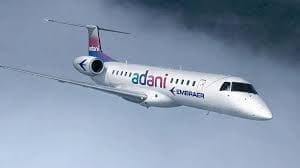
Under the Memorandum of Understanding, the joint plan envisions establishing a phased assembly line in India with clear targets for localisation, integrated supply chain nodes, and an associated MRO and pilot-training network aligned to the UDAN regional connectivity scheme and Aatmanirbhar Bharat objectives.
Key elements of the Embraer–Adani strategic alliance
The agreement between Embraer and Adani Defence & Aerospace centers on building a domestic regional transport aircraft (RTA) ecosystem that covers the entire aviation lifecycle: design adaptation, assembly, component sourcing, maintenance, repair and overhaul (MRO), and pilot training. Operational priorities include:
- Phased localisation: progressive indigenisation of parts and assemblies to reduce import dependency.
- Assembly and manufacturing footprint: site selection for line installation, production tooling and workforce development.
- Supply chain integration: tiered vendor development for components, avionics, and composite subassemblies.
- MRO expansion: leveraging Adani’s private MRO network to provide certified sustainment services.
- Pilot and technical training: ramping up simulator facilities and curricula to support regional aircraft operations.
Operational and regulatory alignment
The initiative explicitly ties to India’s policy priorities: Aatmanirbhar Bharat for self-reliance in defence and aerospace, and the government’s UDAN program to enhance connectivity across Tier 2 and Tier 3 cities. For regulators and planners, expected operational milestones include certification pathways for locally assembled RTAs, coordination with the Directorate General of Civil Aviation (DGCA) on type acceptance or supplemental type certificates, and compliance with export control and offset obligations when applicable.
📚 You may also like
Projected industrial impacts and logistics implications
Creating an RTA ecosystem will reshape aviation logistics corridors in India. Concentrating assembly and MRO activities in selected hubs will increase demand for:
- specialised freight handling for aerospace-grade components;
- secure warehousing for avionics and high-value spares;
- intra-India air and road movement between suppliers, line stations, and airports;
- skilled workforce transport and accommodation near production sites.
These shifts will require investments in transport infrastructure around chosen hubs, from improved road access to dedicated cargo aprons at partner airports.
Table: Major workstreams, actions and expected impacts
| Workstream | Planned Activities | Short-term Impact |
|---|---|---|
| Assembly & Production | Set up final assembly line; tooling; quality control | Job creation; increased local manufacturing throughput |
| Supply Chain & Vendors | Vendor qualification; Tier 1-3 supplier development | Local supplier growth; reduced lead times |
| MRO & Sustainment | Certification of MRO facilities; parts pooling | Lower aircraft downtime; regional service capability |
| Training & Human Capital | Pilot schools; technical training centers; simulators | Skilled labour pipeline; higher-value employment |
Risks, timelines and industry challenges
Implementing a domestic RTA supply chain comes with several risks and constraints:
- Certification complexity: ensuring airworthiness standards for locally assembled aircraft within DGCA and potential EASA/FAR frameworks.
- Supplier maturity: achieving the quality and consistency expected by Embraer from local Tier 1 and Tier 2 partners.
- Capital intensity: upfront investments in tooling, jigs, and MRO facilities may take years to amortize.
- Demand predictability: success depends on steady regional aviation demand driven by UDAN uptake and airline fleet plans.
Phased localisation roadmap
Typical phases for a programme of this nature are:
- Phase 1 — Feasibility & site selection: technical studies, vendor mapping and regulatory roadmaps.
- Phase 2 — Initial assembly & training: low-rate initial production, pilot-training set-up and MRO accreditation.
- Phase 3 — Scale & localisation: higher local content targets, expanded supplier bases, and export readiness.
Historical context: Embraer in India and Adani’s aerospace footprint
Embraer’s presence in India spans commercial, defence and business aviation platforms, with nearly 50 aircraft across 11 types in service historically. Platforms such as the Legacy 600 and the ERJ145-based Netra AEW&C are already integrated into Indian defence and civil operations. Star Air’s use of Embraer E175 and ERJ145 regional jets demonstrates market demand for regional aircraft suited to shorter routes and constrained runways.
Adani Defence & Aerospace has been building capabilities across aircraft components, unmanned systems, avionics and weapons, alongside a growing private MRO network and pilot training infrastructure. The company’s ecosystem—airports, logistics and training—positions it to operate as an anchor partner for large-scale localisation efforts in aerospace manufacturing.
Strategic and tourism-related outlook
On a strategic level, a domestically anchored RTA programme could reduce India’s import dependence for regional aircraft and strengthen sovereign capabilities in defence-relevant aviation systems. For domestic tourism and regional connectivity, increased availability of RTAs can open new direct links between smaller cities and tourist hubs, shortening transit times and improving access to destinations off major air corridors.
Potential knock-on effects for leisure and regional travel
Greater RTA availability supports more frequent services to inland and coastal gateways, indirectly affecting broader travel patterns. Faster regional air links can increase visitor flows to beach and inland lake destinations, enhance feeder connectivity to major international hubs, and catalyse multi-modal travel that ties air access with local surface transport to marinas and resorts.
In summary, the Embraer–Adani MoU sets out a comprehensive plan to build a regional transport aircraft manufacturing and services ecosystem in India, addressing assembly, supply chain development, MRO, and training. If executed successfully, it will advance India’s Aatmanirbhar objectives, support UDAN-driven connectivity, and generate high-skill employment across engineering, manufacturing and aviation services. The programme also carries operational and certification risks that will require careful mitigation and steady demand to justify capital outlays.
GetBoat.com is always keeping an eye on the latest tourism news. The strategic move by Embraer and Adani could influence broader travel and destination patterns—from improved air links to more accessible beaches and inland lakes—shaping how travellers choose destinations, plan activities, and move between marinas, coastal towns and regional airports. The partnership signals an important shift in India’s aviation supply chain that has implications for destinations, yachting-friendly gateways, boating access, and the broader tourism ecosystem.


