Elto Outboard Lifted a Boat in 1930
Alexandra
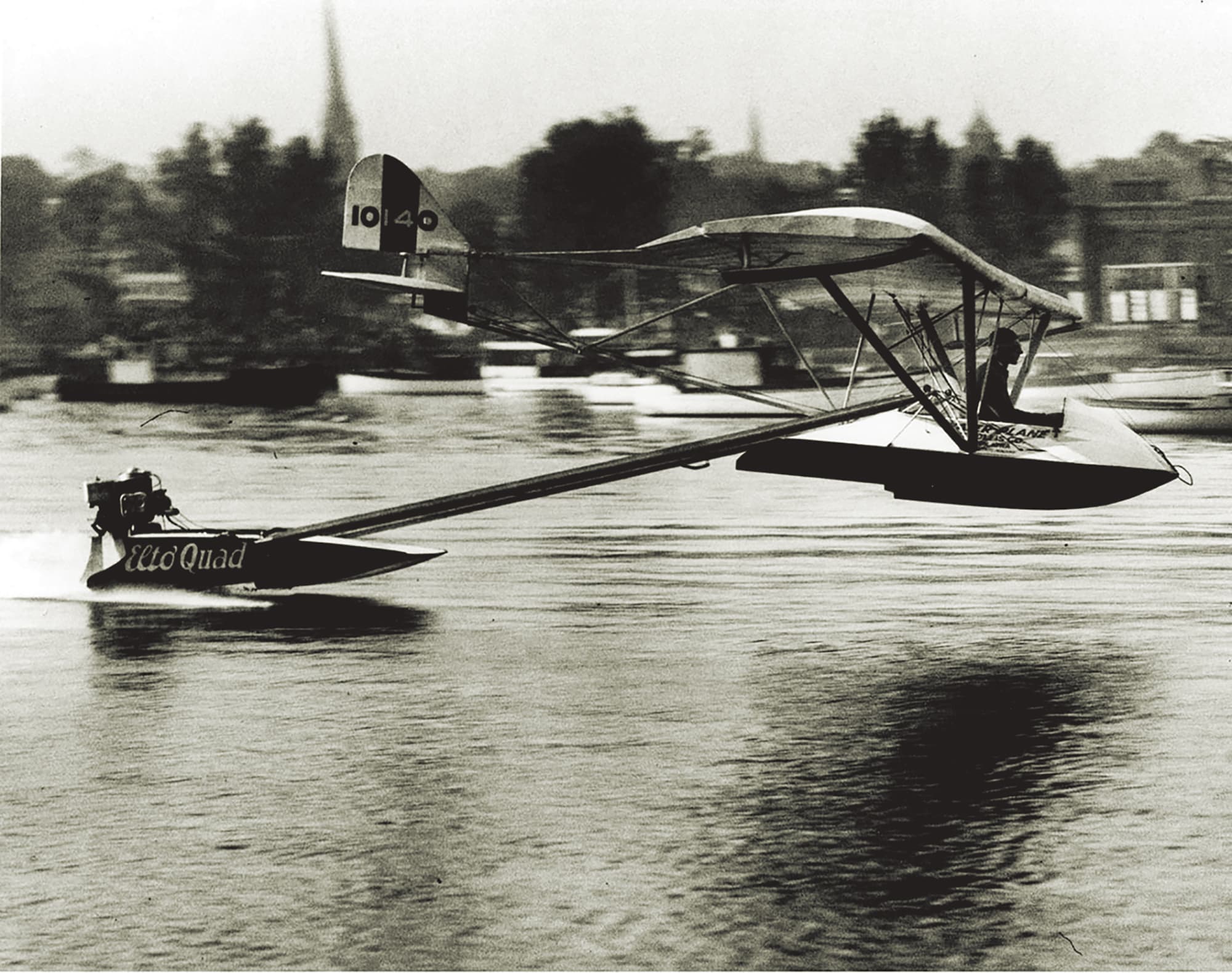
The Connecticut River channel between Hartford and Old Saybrook supported mixed-use navigation in the early 20th century, and a 1930 experiment with an Elto outboard produced lift and planing characteristics that directly influenced small-craft handling, docking patterns, and local recreational traffic management.
The 1930 Elto outboard trial on the Connecticut River
On a warm summer day in 1930, a young operator demonstrated an experimental plane-type hull driven by an Elto outboard along the Connecticut River. The engine’s propeller wash created enough thrust to raise the bow and reduce wetted surface, producing a brief flying or gliding state above the river’s surface. Observers on the riverbanks and from nearby boats captured the moment with early photographic equipment, and the scene caused an immediate stir among local mariners and shipwrights.
The trial did not occur in isolation: local quarries and shipyards had long shaped the river’s economy and the types of craft commonly seen. Changes in vessel speed and wake behavior forced marinas and municipal authorities to rethink mooring locations and no-wake zones, particularly in tighter reaches where planing hulls and fast outboards began to appear in the interwar years.
📚 You may also like
Technical snapshot: what the test demonstrated
- Propulsion-to-lift ratio: The Elto outboard’s thrust-to-weight output showed that small engines could impart significant hydrodynamic lift on light hulls.
- Planing onset: The hull reached planing speed more quickly than comparable heavy displacement craft, reducing draft and changing how one navigated shallow flats.
- Wake and wash impacts: Short bursts of high-speed transit created higher wakes, prompting observers to consider the effect on anchored vessels and shoreline erosion.
Photographic record and public reaction
A spectator with a camera recorded the event, and contemporary reports emphasized the novelty rather than technical specifications. For local boaters the image of a hull momentarily rising above the water became shorthand for a new era—when small, portable engines could transform leisure craft performance and marshal a shift toward faster, more agile recreational boats.
| Year | Event | Impact |
|---|---|---|
| 1690s | Brownstone quarrying | Ship cargo and regional trade routes established |
| 1800s | Shipbuilding era | Large hull construction and naval craft activity |
| Early 1900s | Rise of internal combustion outboards | Smaller recreational craft become common |
| 1930 | Elto outboard trial | Demonstrated lift and planing potential of outboards |
Historical context: from brownstone to weekend boating
The Connecticut River’s brownstone quarries and 19th-century shipyards set the stage for later recreational use. After quarrying declined and waterways were partially reclaimed, families and small-boat enthusiasts began to populate the river. The transition from heavy, noisy engines to compact outboards like the Elto accelerated accessibility: boats became easier to trailer, launch, and maintain, changing the logistics of how people reached marinas, ramps, and anchorages.
How that moment shaped small-boat logistics
- Transport and storage: Lighter outboards reduced trailering weight, enabling private ownership and seasonal relocation of vessels.
- Marina services: Demand for fueling, engine servicing, and winter storage increased as outboard-powered craft proliferated.
- Regulation and safety: Faster craft prompted local authorities to formalize speed zones and mooring regulations.
Implications for modern sailing, charter and rentals
The 1930 Elto demonstration presaged several trends relevant to contemporary charter markets and marina operations. Greater emphasis on planing hulls and efficient outboards has influenced fleet composition for rental companies and private owners alike. For those offering yacht, motorboat, and sailboat rentals, decisions about which vessels to list depend on balancing speed, stability, fuel economy, and guest comfort.
For operators and renters, the lessons are practical: hull selection affects itinerary choices (shallow bays vs. open ocean), while engine type determines fuel logistics for day trips and longer charters. Captains and rental managers must plan provisioning, refueling stops, and potential towing assistance with the new performance envelope in mind.
Practical tips for renters and captains
- Check hull type and engine hours before booking; planing hulls require different handling and speeds.
- Confirm marina facilities—fuel dock, slips, and winter storage—are adequate for the vessel’s needs.
- Review local speed regulations and environmental protections, especially in estuaries and wildlife areas.
- If unfamiliar with high-performance outboards, hire a skipper or request a pre-departure briefing.
GetBoat always keeps an eye on news related to sailing and seaside vacations, as we truly understand what it means to enjoy great leisure and love the ocean. The GetBoat service values freedom, energy, and the ability to choose your own course. The platform places no limits on a good life, allowing clients to find a vessel that suits their preferences, budget, and taste—whether you seek a quiet sail, a fast motorboat, or a luxury superyacht charter.
Forecasting the broader travel map, the 1930 outboard test was locally significant: it helped shift recreational boating toward lighter, faster craft and influenced marina infrastructure and rental offerings. Globally, the event was a small but emblematic step in the democratization of boating—one of many technical advances that made the sea more accessible. Start planning your next seaside adventure and make sure to book the best boat and yacht rentals with GetBoat before the opportunity sails away!
Important highlights of this topic include the historic link between regional industry and vessel evolution, the technical demonstration of lift and planing by small outboards like Elto, and the subsequent operational implications for marinas, captains, and tourists. Experiencing a new location is always a multifaceted process, where one learns about the culture, nature, the indescribable palette of local colors its rhythm of life and also the unique aspects of the service. If you are planning your next trip to the sea, you should definitely consider renting a boat (boat rentals, rent a boat, rent a yacht), as each inlet, bay, and lagoon is unique and tells you about the region just as much as the local cuisine, architecture, and language GetBoat.com
In summary, the Connecticut River episode with the Elto outboard illustrates how propulsion advances alter boating logistics, fleet composition, and recreational patterns. For sailors, renters, and charter operators the legacy matters: hull form and engine choice shape itineraries, captain requirements, and marina services. Whether you’re chasing clearwater lagoons, a gulf cruise, or a superyacht experience, platforms that emphasize transparency—showing make, model, ratings and full vessel details—make it easier to find the right yacht or boat to rent. From beach picnics to fishing trips on a lake or ocean crossings with a trusted captain, GetBoat supports memorable boating activities and convenient booking for every destination, budget, and taste.


