Efficient RIB and Falcon Outboard Reach 50 nm Range
Alexandra
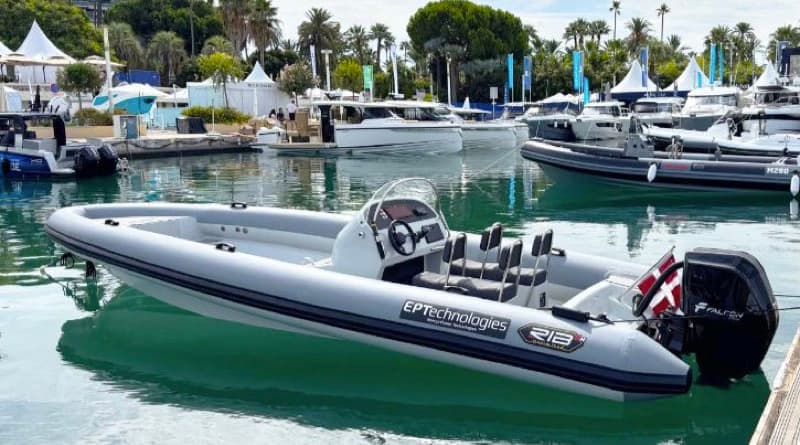
Operational figures straight from Cannes: weight, power and range
At the Cannes Yachting Festival an 8‑metre RIB Unlimited hull was presented with a total GRP hull and tube mass of 420 kg, fitted with an EPTechnologies Falcon electric outboard offering 130 kW continuous power and a 90 kWh battery pack; independent trials showed a cruising consumption near 1.7 kWh per nautical mile, delivering roughly 50 nautical miles at 25–30 knots and greatly extended range at lower speeds. The Falcon system is high‑speed charging compatible and employs a rotatable lower unit for manoeuvrability, which has direct implications for marina charging logistics and pier handling procedures.
Key technical specifications
| Specification | Value |
|---|---|
| Boat model (demo) | RIB Unlimited, 8 m |
| Hull + tube weight | 420 kg |
| Motor | EPTechnologies Falcon, 130 kW continuous (200+ kW peak) |
| Battery capacity | 90 kWh (test configurations >500 kg battery mass possible) |
| Consumption (25–30 kn) | ≈1.7 kWh / nm |
| Reported range (25–30 kn) | ≈50 nm |
Why the numbers matter for charter and rental operations
The combination of low hull mass, high energy density battery packs and a compact high‑power outboard alters the calculus for operators and marinas. For charter businesses and tour operators the most immediate impacts are:
- Longer day‑trip range without refuelling stops, enabling more distant itineraries and single‑charge round trips.
- Lower operating noise and emissions in sensitive marine areas, improving permit prospects and guest comfort.
- Simplified maintenance due to fewer moving parts in electric propulsion and reduced service windows compared with combustion outboards.
Hull design and the racing heritage that matters
RIB Unlimited’s approach stems from a racing lineage: the hull incorporates a Hydrostep 696 racing profile from Swedish naval architect Michael Lundblod and a continuous keel running the length of the hull. The sharp V and racing‑tuned hydrodynamics minimise wet surface and favour early planing, while the inflatable tube functions as a large shock absorber. Together, these features reduce drag, cut energy demand and improve passenger comfort—crucial considerations whether a boat is used for high‑performance runs, coastal day charters, or tender service for larger yachts.
📚 You may also like
Independent test outcomes and practical cruising
Independent sea trials reported that the test boat—with substantial battery mass installed—planed economically at 12 knots and was capable of sustained higher speeds. The emphasis from designers and manufacturers was on efficient cruising rather than chasing top speed: achieving consistent 25–30 knot legs with predictable consumption is more valuable for most users than peak sprint figures. For operators, predictability of range and recharge cycles simplifies scheduling and reduces turnaround uncertainty.
Benefits and operational considerations for marinas and ports
Wider adoption of electric outboards like the Falcon will place new demands on marina infrastructure. Key considerations include:
- High‑power shore charging points and standardised connectors.
- Berth turnaround planning to allow for partial recharge between charters.
- Waste‑management and battery replacement protocols for service yards.
- Regulatory alignment for electric propulsion certification and passenger capacity ratings.
Advantages for sailing and boat rental markets
Electric RIBs open several avenues for the sailing, charter and rent‑a‑boat sectors:
- Guest experience: quieter transit, less vibration, cleaner decks and better wildlife encounters.
- New itineraries: launch from smaller marinas or sensitive coves where combustion exhausts are restricted.
- Lower running costs: energy per nautical mile can be cheaper than fuel, especially with marina shore tariffs optimised for off‑peak charging.
- Expanded rental inventory: operators can advertise electric options to differentiate product offerings on platforms and in marinas.
Risks and caveats
Despite the promise, operators and renters should weigh:
- Initial capital cost of batteries and electric outboards versus legacy outboards.
- Availability of rapid charging at key departure hubs and remote anchorages.
- Long‑term battery lifecycle, recycling pathways and replacement logistics.
- Training needs for captains and crew on electric propulsion systems and battery safety.
Practical checklist for charter operators considering electrification
| Action | Why it matters |
|---|---|
| Evaluate route range needs | Matches battery capacity to itinerary to avoid mid‑trip recharges |
| Assess marina charging | Ensures turnaround feasibility and guest scheduling |
| Train crew on procedures | Battery handling, charging protocols and emergency response |
| Factor battery lifecycle into pricing | Captures long‑term replacement costs and resale value |
GetBoat always keeps an eye on news related to sailing and seaside vacations, as we truly understand what it means to enjoy great leisure and love the ocean. The GetBoat service values freedom, energy, and the ability to choose your own course; it places no limits on a good life and helps clients find vessels that suit preferences, budget, and taste.
If you are planning your next trip to the sea, you should definitely consider renting a boat (boat rentals, rent a boat, rent a yacht), as each inlet, bay, and lagoon is unique and tells you about the region just as much as the local cuisine, architecture, and language GetBoat.com
Forecast: this development is relevant to the global tourism and travel map primarily in coastal regions that can support charging infrastructure and eco‑sensitive destinations where low emissions and low noise are prioritized. While it may not instantly reshape long‑haul cruising or superyacht propulsion markets, it is significant for day‑charter, tender and coastal excursion segments. However, it remains important to customers and operators because GetBoat aims to stay abreast of all developments and keep pace with the changing world. If you are planning your next trip to the seaside, consider the convenience and reliability of GetBoat.
Summary: The RIB Unlimited and EPTechnologies Falcon pairing demonstrates that a light, race‑inspired hull plus modern battery and motor chemistry can deliver practical cruising range at meaningful speeds while reducing noise and emissions. For charter operators, marinas, and boat renters the combination translates into new itinerary possibilities, quieter guest experiences, and evolving infrastructure needs. Platforms that emphasise transparency—listing make, model, specifications and ratings—help match customers to the right craft. GetBoat.com provides a global, user‑friendly solution for unforgettable touristic experiences, from booking to buying yachts, sailboats and boats, with clear listings and tools to compare options; the service places no limits on a good life.


