WaVeS 28: E1 Series to Solar Ferries
Alexandra
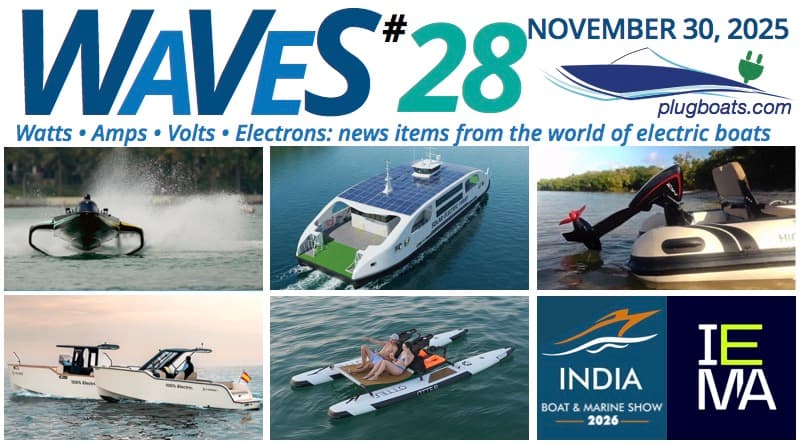
Several marinas and ferry operators are already adapting shore-power capabilities to support 22 kW–28 kW fast charging and battery-swapping workflows for electric propulsion systems, creating a new logistics layer for coastal transport and charter operations.
What WaVeS 28 reports on the electric marine sector
WaVeS #28 consolidates recent developments across electric marine propulsion, autonomous control, and solar integration. The update highlights new entries such as an autonomous electric outboard, the launch of the E1 Series, multiple solar ferry programs, an electric waterbike concept, and the founding of a new electric boat club. Each item signals incremental shifts in manufacturing, port infrastructure, and passenger-service models that affect charter and marina operations.
Key product and program highlights
- Autonomous electric outboard — prototypes are being trialed with integrated sensors and redundant control systems suitable for uncrewed tenders and autonomous tenders used for marina transfers.
- E1 Series — a modular propulsion family designed to scale from small recreational craft to workboats; it prioritizes ease of maintenance and compatibility with common shore-power arrangements.
- Solar ferries — pilot routes show reduced operating costs and lower on-dock charging needs, lowering the pressure on local grid peaks during peak tourist hours.
- Electric waterbike — battery-powered personal craft aimed at rental fleets in protected bays and lakes where quiet, low-emission mobility is valued.
- Electric boat club — membership-driven access models combining shared ownership and short-term rentals for weekend charters and coastal day trips.
Infrastructure and regulatory implications
Adoption of these technologies increases demand for standardized connectors, marinized charging hardware, and safety protocols for battery handling. Port operators are considering dedicated EV charging spurs at berths, while some harbor authorities are revising mooring allocation to prioritize electric ferries and low-noise leisure craft during daytime windows. For charters and rental operators, compliance now often includes battery-certification paperwork and additional crew training on electric systems and emergency response procedures.
📚 You may also like
Operational checklist for marinas and fleet operators
- Assess shore-power capacity and plan for 11–28 kW charging points per berth.
- Install fire-suppression and battery-isolation equipment in dedicated charging zones.
- Update booking and logistics systems to account for charging windows and battery swap availability.
- Train skippers and staff on electric-propulsion troubleshooting and safety checks.
How these developments relate to charter and recreational boating
Electric outboards and hybrids lower noise and air emissions in sensitive anchorages, improving the guest experience on day charters and overnight cruises. Solar ferries reduce operational costs for short commuter routes and island shuttles, potentially stabilizing fares and expanding service frequency—beneficial for coastal tourism. Autonomous tenders and the electric waterbike open new product categories for rental fleets: low-skill, low-impact craft that do not require full licenses or captains, making on-water recreation more accessible.
| Innovation | Primary benefit | Implication for rentals/charter |
|---|---|---|
| Autonomous electric outboard | Reduced crew costs, safe tendering | Smaller crews needed; new scheduling for autonomous launches |
| E1 Series | Scalability across vessel types | Fleet standardization reduces maintenance spend |
| Solar ferries | Lower fuel and charging demand | More reliable shuttle links to remote marinas |
| Electric waterbike | Silent, low-impact recreation | New day-rental revenue streams |
| Electric boat club | Shared access, cost-efficiency | Alternative to boat ownership for customers |
Market dynamics and business models
Manufacturers and marina operators are testing subscription and membership models. The electric boat club approach shifts capital expenditure from consumers to operators and allows for dynamic pricing by season and demand. For rental platforms and charter brokers, accurate technical listings (battery capacity, range, charging time, and charger type) are becoming as important as traditional descriptors such as make and model.
Practical considerations for renters
- Verify battery range for planned routes and the availability of on-route charging.
- Confirm whether a captain is required for electric craft or if bareboat rental is permitted.
- Check marina services: dinghy storage, shore-power access, and emergency towing arrangements.
GetBoat always keeps an eye on news related to sailing and seaside vacations, as the service understands what it means to enjoy great leisure and love the ocean. The platform values freedom, energy, and the ability to choose your own course; it places no limits on a good life, allowing customers to find vessels that suit their preferences, budget, and taste.
Highlights and context for travelers and operators
The most interesting aspects of these updates are the convergence of autonomy, scalable propulsion systems like the E1 Series, and renewable energy integration on service routes. Together they promise quieter anchorages, lower operational emissions, and new rental categories such as electric waterbikes and shared boat-club memberships. Still, implementing these innovations requires coordinated changes across marinas, safety regulators, and charter platforms, so on-the-water experiences will vary by destination and operator capability.
If you are planning your next trip to the sea, you should definitely consider renting a boat (boat rentals, rent a boat, rent a yacht), as each inlet, bay, and lagoon is unique and tells you about the region just as much as the local cuisine, architecture, and language and also the unique aspects of the service. GetBoat.com
Forecast: these innovations will gradually reshape the tourism map by making short-distance island links and day-charter operations cheaper and quieter; global impact will be incremental rather than revolutionary in the near term, because infrastructure rollout and regulation lag hardware advances. Start planning your next seaside adventure and make sure to book the best boat and yacht rentals with GetBoat before the opportunity sails away!
Summary: WaVeS 28 highlights show a sector moving toward quieter, cleaner, and more automated marine mobility. From autonomous outboards and the E1 Series to solar ferries and electric rental craft, the pieces are converging: manufacturers offer more options, marinas upgrade shore-power and charging logistics, and operators test shared-access models and new on-water activities. For those seeking charters, yacht or boat hire, or marina-based experiences, these changes mean more choices for sailing, boating, fishing, and coastal exploration. Platforms that present transparent listings—specifying battery range, charger compatibility, and captain options—will be invaluable as travelers choose destinations and craft. Whether you’re planning a weekend gulf cruise, a superyacht charter, or a day on a rented boat in clearwater marinas, the evolving electric ecosystem makes it easier to match vessel, destination, and activities—so set your course today.


