Motorized Kayaks: Practical Benefits and Rental Impacts
Alexandra
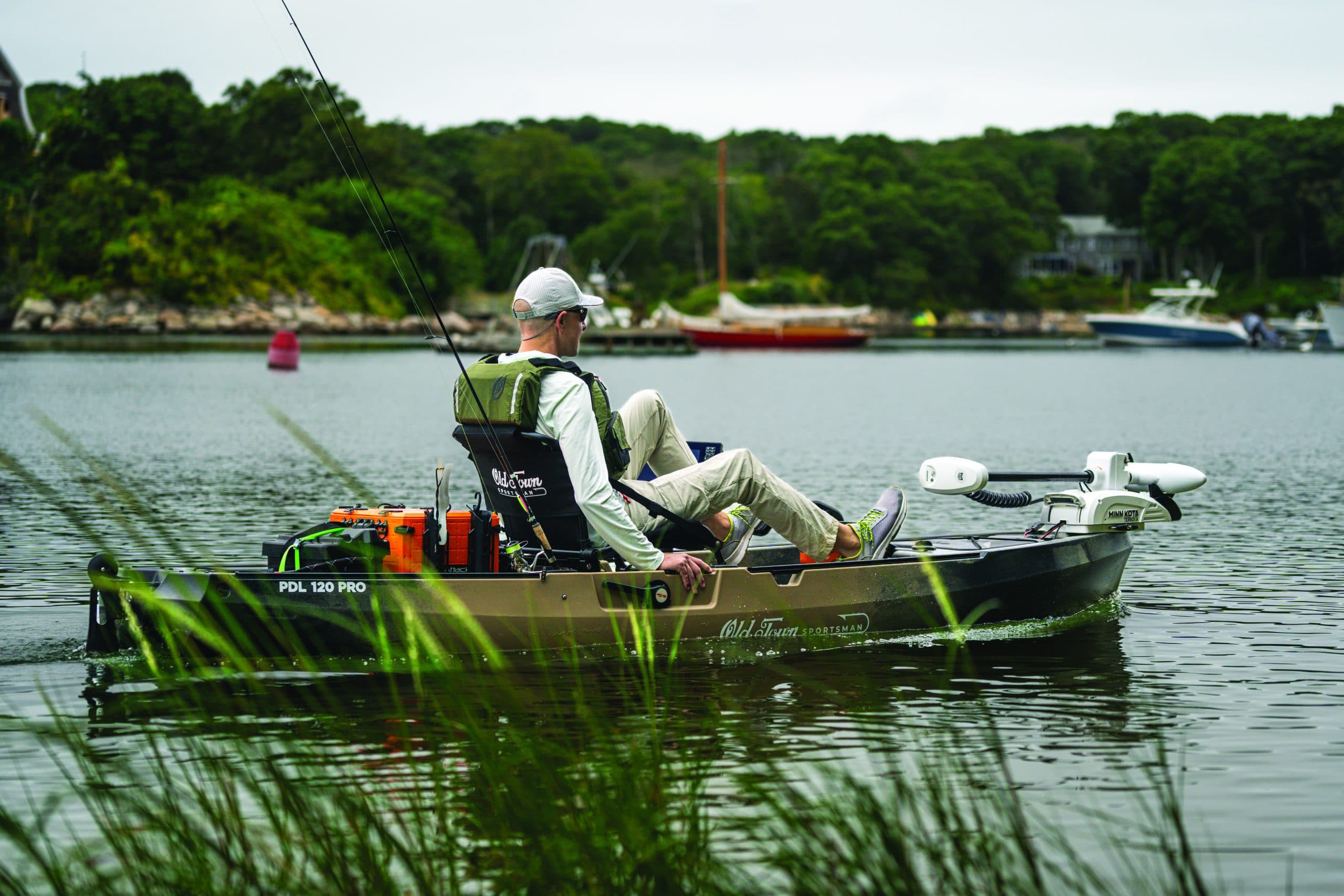
For marinas, rental operators, and coastal outfitters the rapid uptake of electric kayak propulsion implies new demands on launch-ramp throughput, battery charging infrastructure, and on-site storage: 12‑volt and 24‑volt battery handling, secure charging lockers, and shore-power capacity must be planned alongside vessel traffic patterns to avoid bottlenecks during peak beach hours.
Market momentum and why motorized kayaks matter
At recent trade shows and in dealer inventories the transition from pure paddling to electric-assist and fully motorized kayaks is clear. Major marine brands such as Garmin, Minn Kota, Newport Vessels, and Torqueedo now offer propulsion systems designed or adapted specifically for kayak platforms. That proliferation matters for operators who rent boats and for coastal tourism managers: motorized kayaks cover more water faster, stay on station using GPS anchoring, and attract anglers and recreational users who prioritize range and stability over traditional paddle-only craft.
Why rental fleets and marinas must adapt
Fleet managers should factor in: battery charging cycles, weight distribution when mounting bow or stern motors, secure transport of lead-acid or lithium batteries, and the need for simple stow/deploy mechanisms so guests of varied skill can operate motors safely. Operators who update booking descriptions with motor specs, battery requirements, and handling tips reduce customer confusion and increase positive reviews.
📚 You may also like
Key motor options and practical comparisons
Three motor types and mounting approaches dominate current offerings: stern-mounted units with hand remotes, bow-mounted trolling motors with Spot-Lock or anchor-lock GPS, and pedal-driven hybrid systems that stow when not in use. The following table summarizes the principal features that matter for renters and private owners alike.
| Model | Mount | Notable features | Power / Weight notes | Best for |
|---|---|---|---|---|
| Garmin Force Current | Stern | GPS Anchor Lock, hand-held remote, optional foot pedal, chartplotter integration | Operates on 12V or 24V; top speeds ~4.5 mph typical on many kayaks | Versatile guide and rental kayaks needing remote steering |
| Minn Kota Kayak Terrova | Bow | Spot-Lock, Humminbird integration, freshwater/saltwater versions | 36" shaft; saltwater (Riptide) variant heavier—over 40 lb | Larger, heavier kayaks where bow-mount balance is acceptable |
| Newport Vessels / Torqueedo | Stern / Bow options | Range of power levels; some models focused on GPS features | Varied; stronger models can overpower stock rudders | Operators needing a broad price-performance mix |
Vessels designed for motorization
Manufacturers such as Native and Bonafide now produce hulls built around motor mounting. Examples include the Native Hammer with multiple PowerLink mounting plates, large storage for group‑31 batteries, and compatibility with foot steering systems. The Native Slayer LTE demonstrates how light, car-top friendly kayaks can still pair effectively with motors; at about 60 lb hull weight and 85 lb fully equipped, it remains a practical rental candidate that balances portability and powered range.
Operational challenges and practical solutions
Motor torque and steering are common issues when adding power to kayak hulls. Powerful units can reduce rudder effectiveness, forcing operators to adopt alternative steering systems. Two common solutions are the Wizard Foot Steering Control, a ball-bearing foot-steer system, and simple mechanical linkages such as the S&J Steering Stick that transform motor rotation into push/pull steering action from the cockpit.
- Propeller torque mitigation: fit foot-steer or auxiliary steering linkages.
- Weight balance: mount larger motors on heavier kayaks, distribute batteries centrally where possible.
- Stow/deploy: install pull-cord or cleat systems so renters can raise and stow motors without lifting the craft.
- Maintenance: saltwater units require rinsing and periodic lower-unit checks; document maintenance in rental agreements.
Battery handling and safety
Battery selection (sealed AGM vs. lithium) affects weight, runtime, and on-site charging needs. Rental businesses should implement basic battery safety protocols: secure mounts, ventilation for charging lockers, clear labeling of voltage and expected run times, and simple customer instructions that explain safe handling and emergency shutdown procedures.
How motorized kayaks influence fishing, chartering, and rental demand
Electric propulsion reshapes what anglers and recreational users expect from a day on the water. For saltwater anglers targeting structure in tidal bays, GPS anchoring and faster transit translate into more productive time fishing and less time battling currents. Rental operators that offer motorized kayaks can attract a broader customer mix—families, first-time paddlers, and anglers who prefer powered mobility. While this trend is industry‑specific rather than globally transformative, it still nudges coastal tourism offerings toward more accessible, tech-enabled experiences.
GetBoat always keeps an eye on news related to sailing and seaside vacations, as we truly understand what it means to enjoy great leisure and love the ocean. The GetBoat service values freedom, energy, and the ability to choose your own course, placing no limits on a good life and helping clients find a vessel that suits their preferences, budget, and taste.
Highlights: motorized kayaks accelerate access to fishing spots, require revised marina logistics for batteries and charging, and demand new steering solutions to manage prop torque. Experiencing a new coastal location remains multifaceted—one learns about local culture, nature, the palette of local colors, rhythms of life, and unique service aspects. If you are planning your next trip to the sea, you should definitely consider renting a boat (boat rentals, rent a boat, rent a yacht), as each inlet, bay, and lagoon is unique and tells you about the region just as much as the local cuisine, architecture, and language GetBoat.com
Forecast and call to action: The immediate global impact of kayak motorization on tourism maps is limited, but regionally it can shift demand toward power-assisted options and lengthen visitor stays in bays and protected gulfs. Start planning your next seaside adventure and make sure to book the best boat and yacht rentals with GetBoat before the opportunity sails away!
Summary: Electric motors for kayaks have moved from niche accessories to mainstream options that affect fleet planning, marina infrastructure, and guest expectations. Key considerations include mounting choice (bow vs. stern), battery logistics, steering solutions, and matching hulls to power. For renters and owners alike, selecting the right combination of motor, battery, and kayak determines how well the craft performs for fishing, cruising, or sightseeing. Whether you seek a charter, a fishing day on a bay, or relaxed sailing across a clearwater lagoon, the right gear makes all the difference—yacht, charter, boat, beach, rent, lake, sailing, captain, sale, Destinations, superyacht, activities, yachting, sea, ocean, boating, gulf, water, sunseeker, marinas, clearwater, fishing. The sea awaits.


