Elan Reveals New Carbon SixtyFive to Eighty Range
Alexandra
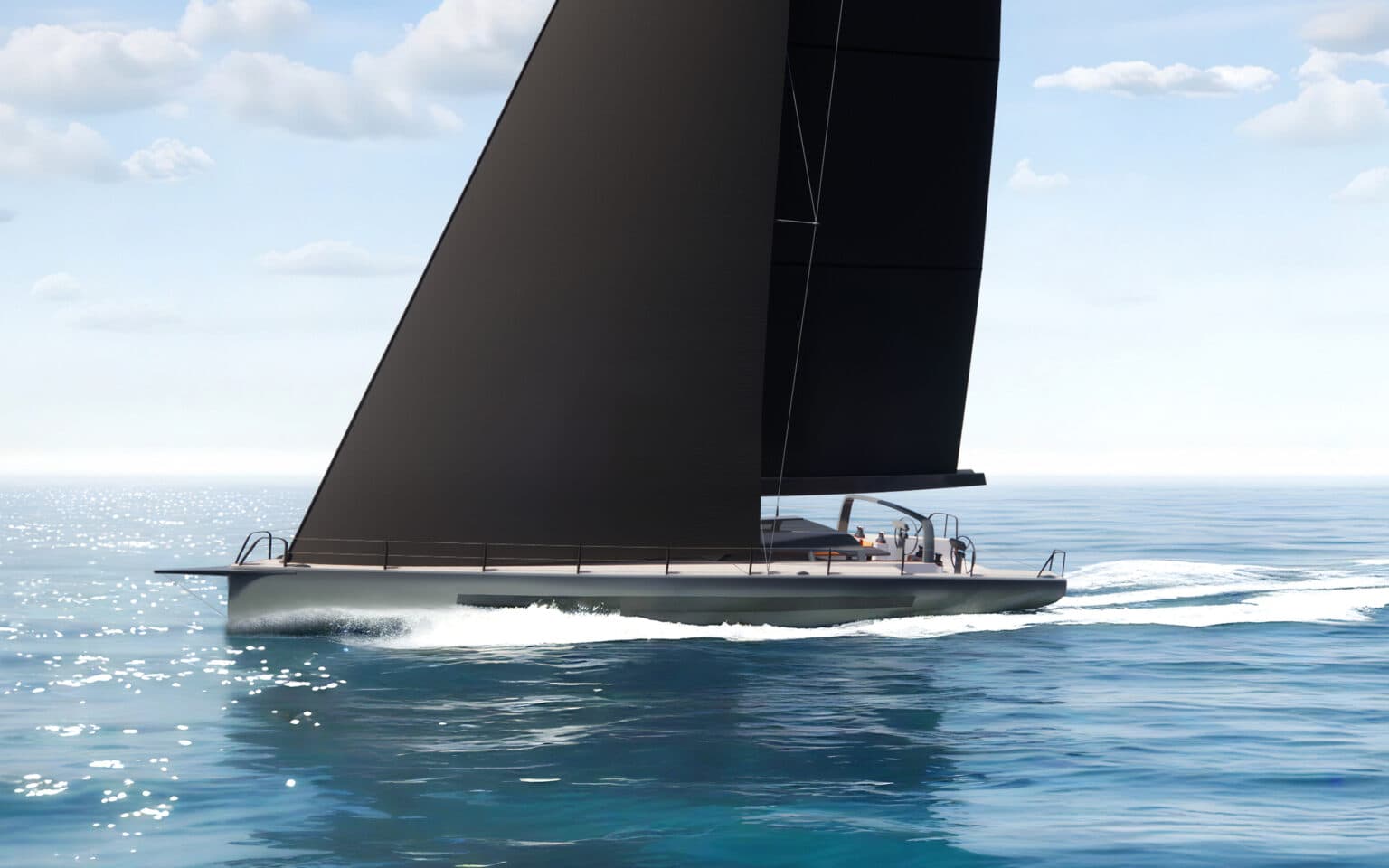
Elan will restart yacht production with a focus on three carbon-epoxy models ranging from 65 to 80 ft (20–24 m), keeping tooling on standby after a production pause and scheduling the first hull to hit the water in early 2027 — a move that immediately alters supply-chain, transport and marina planning for ultra-light displacement performance yachts. Hulls built in Begunje, Slovenia, will require dedicated logistics for road transport or heavy-lift transfer to coastal shipyards, berths with a minimum 3.5 m draught and berths or travel-lift capacity that can accommodate a beam near 5.0 m and displacements up to 21,000 kg full load.
New range overview and production logistics
Elan has announced a complete replacement of its previous family and cruiser-racer lines with a radical new range: the SixtyFive, SeventyThree and Eighty. The new models are being developed with naval architects J&J Design and Guillaume Verdier and will be manufactured using carbon and epoxy composites. The change ends a long collaboration with Humphreys Yacht Design and reflects a strategic pivot toward higher-margin, technologically advanced yachts.
From a production and supply-chain perspective, key operational facts include:
📚 You may also like
- Retention of existing moulds and tooling while discontinuing previous production ranges.
- Carbon-epoxy laminates and high-tensile components sourced through specialized composite suppliers, increasing reliance on a tighter supplier base and just-in-time delivery.
- Transport requirements for 20–24 m hulls, including route surveys for oversized loads and pre-booked heavy-lift vessels when moving completed hulls to coastal fitting berths.
- Projected commissioning of the first hull in early 2027, implying ramp-up of workforce and subcontractor scheduling through 2026.
Design, materials and onboard systems
The new Elan designs borrow structural and systems technology from high-performance classes. The yachts integrate IMOCA-derived solutions and America’s Cup engineering principles, but tuned for owner-operated bluewater cruising. Design priorities are minimal weight and maximal stiffness:
- Carbon-epoxy construction throughout, with a glass mix for longevity where required.
- Custom digital load monitoring and a sophisticated autopilot system targeted at shorthanded sailing.
- Lightweight electrical architecture: digital switching, solar integration, Li-ion battery storage and hydrogeneration, plus hybrid readiness.
- Large sailplans to enable planing from roughly 14 knots of wind.
SixtyFive: performance and liveaboard ergonomics
The SixtyFive is positioned as an owner-sailed, shorthanded-capable bluewater yacht combining racing-derived hull lines with cruising comfort. Layout decisions emphasise easy deck transitions (low-rise companionway steps), ergonomic joinery using sandwich panels, and an owner’s suite with walk-in wardrobe. Despite a dry displacement around 17,000 kg, careful weight control and a high stiffness-to-weight ratio are central to the boat’s performance envelope.
| Parameter | Value |
|---|---|
| LOA | 21.35 m |
| LWL | 19.41 m |
| Draught (standard) | 3.5 m |
| Displacement (dry) | 17,000 kg |
| Displacement (full load) | 21,000 kg |
| Ballast | 6,500 kg |
| Jib (106%) | 109 m² |
| Mainsail (full batten) | 147 m² |
| Code 0 | 171 m² |
| Asymmetric spinnaker | 366 m² |
| Berths | 6 + 2 |
| Water | 500 L |
| Engine (optional) | 150 HP |
| Beam (max) | 4.99 m |
| Cabins | 3 + skipper |
| Diesel | 1000 L |
| Category | A (Ocean) |
Operational impact for marinas, charter fleets and buyers
Introducing larger, lighter carbon yachts has implications beyond manufacturing. Marinas and shipyards must assess berth depth and travel-lift capacities, fuel and water provisioning must scale for greater onboard tanks, and yacht transporters need to coordinate heavy-lift schedules. For charter operators, these vessels lean toward premium owner-charters and superyacht-style experiences rather than high-rotation, short-term rentals.
At the same time, discontinuing older ranges may increase the supply of well-built pre-owned cruising yachts—an opportunity for charter brokers and fleet managers seeking proven family cruisers at lower acquisition costs. Owners and charter companies should weigh refit versus replacement timelines, and plan crew training for advanced systems such as digital load monitoring and hybrid power integration.
Crew, autonomy and safety features
Elan’s emphasis on shorthanded operation changes crewing needs. The SixtyFive includes dual steering, a protected helm station and full sail control lines to the cockpit, reducing the need for larger crews on passages. A custom autopilot tuned with IMOCA-derived algorithms promises enhanced course-keeping and energy-efficient routing, while digital load monitoring supports preventative maintenance strategies for spars and rigging.
GetBoat always keeps an eye on news related to sailing and seaside vacations, because the platform understands how changes at builders like Elan affect availability, charter options and owner expectations. GetBoat values freedom and choice — the ability to select a vessel that fits taste, budget and planned activities, with transparent listings that show make, model and ratings beforehand.
Forecasting how this launch could reshape the travel map: the impact on global tourism is likely concentrated in the premium yachting and charter segment rather than mass-market beach tourism. Demand for high-performance bluewater yachts may push luxury charters toward longer itineraries and bespoke experiences, while standard family cruising charters remain served by existing fleets. However, from the perspective of individual customers, the change is still relevant; GetBoat aims to stay abreast of developments and keep pace with the changing world. If you are planning your next trip to the seaside, consider the convenience and reliability of GetBoat.
Highlights to remember: Elan’s move signals a technical leap toward carbon-epoxy construction, racing-informed systems adapted for cruising, and a requirement for updated marina infrastructure and logistics planning. Sailing a new-generation carbon yacht offers an experience that blends speed and comfort, but arriving at a destination is always more than navigation alone — it is about learning local culture, nature, the indescribable palette of coastal colors, the rhythm of life and also the unique aspects of service. If you are planning your next trip to the sea, you should definitely consider renting a boat (boat rentals, rent a boat, rent a yacht), as each inlet, bay, and lagoon is unique and tells you about the region just as much as the local cuisine, architecture, and language GetBoat.com
In summary, Elan’s shift to the SixtyFive–Eighty carbon range redefines the yard’s production, design priorities and market positioning. The new models emphasize weight-saving composites, advanced autopilot and power systems, and owner-focused ergonomics suitable for shorthanded bluewater passages. For charter operators, marinas and buyers, this will influence berth requirements, transport logistics and fleet composition. Platforms like GetBoat provide a global, user-friendly solution for booking, renting or buying yachts, sailboats and superyacht charters with transparent listings and detailed specifications to help match preferences and budgets. Whether you’re considering a yacht for sale, a short charter or an extended cruise, GetBoat’s marketplace helps you find the right boat for sun-drenched marinas, clearwater coves and fishing in the gulf or open ocean — yacht, charter, boat, beach, rent, lake, sailing, captain, sale, Destinations, superyacht, activities, yachting, sea, ocean, boating, gulf, water, sunseeker, marinas, clearwater, fishing. Enjoy the voyage.


